2026 Best Tips for Laminating PET Film onto Cardboard?

Time:2026-07-01 Author:Amelia
0%

In the world of crafting and packaging, knowing how to laminate PET film onto cardboard is essential for durability and aesthetics. This technique ensures your projects not only look professional but also withstand wear and tear. You'll be equipped with tips that can elevate your work, whether for personal or commercial uses.

When you explore the process, remember that preparation is crucial. Properly aligning and applying the PET film may take practice. Beginners often struggle, and that’s normal. You might find that bubbles form or edges lift if not done carefully. Each attempt offers a learning experience. Consider experimenting with different temperatures and speeds on your laminating machine for better results.

Ultimately, mastering how to laminate PET film onto cardboard is about patience and precision. It’s a skill that improves over time. Review your past laminations to identify where you went wrong. You will achieve successful outcomes with persistence and attention to detail.
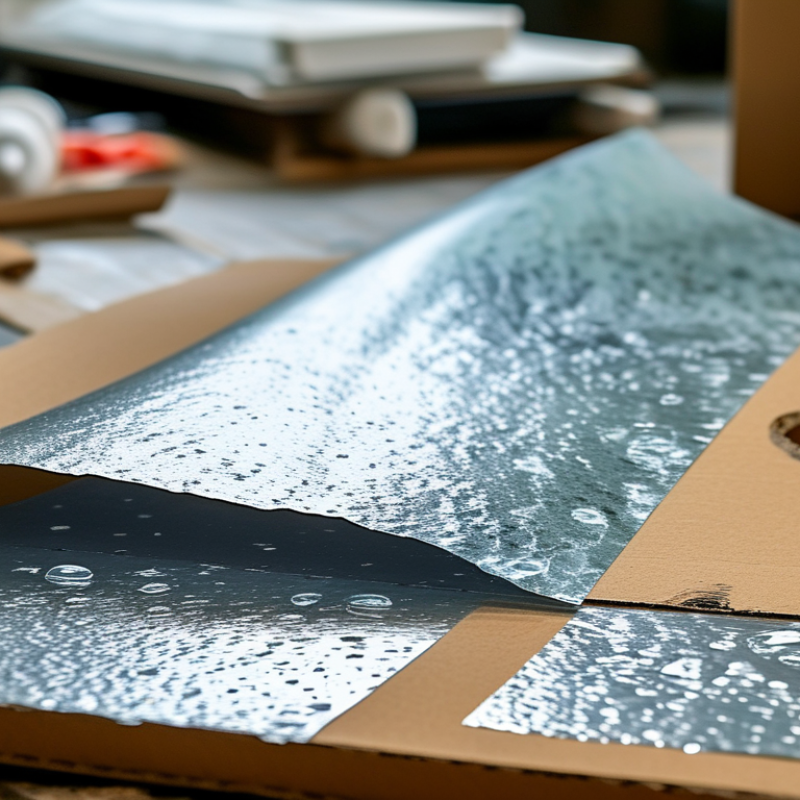
2026 Best Tips for Laminating PET Film onto Cardboard?

Essential Materials for Laminating PET Film onto Cardboard

Laminating PET film onto cardboard can enhance durability and aesthetics. To achieve the best results, having the right materials is essential. Start with high-quality PET film that suits your specific needs. Thicker films offer better protection, but they may be harder to work with. Consider the finish as well; a glossy surface delivers vibrant colors, while a matte finish reduces glare.

In addition to the PET film, you'll need a reliable adhesive. A strong, clear adhesive is crucial for a seamless bond. Apply it evenly across the cardboard surface to avoid bubbles. A roller or squeegee helps achieve an even layer. Don't overlook a hot or cold laminating machine. Ensure it's properly calibrated before starting your project. This will make a significant difference in the outcome.

While laminating, pay attention to air bubbles. Even minor imperfections can compromise the final product. If bubbles form, carefully lift the film and re-apply. Also, test a small area first. This helps refine your technique and avoid wasting materials. The process demands patience and practice, but the effort pays off with a professional finish.

Step-by-Step Preparation of Cardboard for Laminating Process

The preparation of cardboard for laminating PET film is crucial. Start by ensuring your cardboard is clean and dry. Dust, dirt, or grease can affect adhesion. Use a soft cloth to remove any surface impurities. If the cardboard has any moisture, let it air dry completely before proceeding.

Next, choose the right type of cardboard. Not all cardboards are suitable for lamination. Thinner cardboard may warp, while thicker types might be too rigid. Test different types to find the best fit for your project. You might face challenges if the cardboard has a glossy finish. In such cases, sanding the surface lightly could enhance adhesion.

Consider the ambient temperature and humidity levels during the process. High humidity can cause issues with the lamination. Using a consistent environment helps ensure better results. During the laminating process, monitor the temperatures closely. If they vary, it might lead to uneven lamination. This careful attention to detail reflects a commitment to quality.

Techniques for Applying PET Film Smoothly onto Cardboard

Applying PET film onto cardboard can be a delicate process requiring attention to detail. To achieve a smooth finish, start by preparing both surfaces. Ensure the cardboard is clean and dry. Dust and debris can cause bubbles, which are hard to remove later. A lint-free cloth can help eliminate any particles.

When applying the PET film, use a ruler or a straight edge to guide your cuts. This prevents uneven edges. After cutting, begin at one corner of the cardboard. Slowly peel back the backing of the film while pressing it onto the cardboard. Use a plastic squeegee to smooth the film and remove air bubbles. This technique can be tedious, yet it ensures a clean application.

Consider using a heat source lightly when adhering the film. Heat can help the PET film conform better to the contours of the cardboard. However, be cautious, as excessive heat may warp the material. Sometimes, the outcome may not be perfect, and alignment issues can arise. Reflection on these imperfections can provide valuable insights for future projects.

Effective Heat Sealing Methods for Laminating PET Films

Effective heat sealing methods are critical for laminating PET films onto cardboard. This process requires attention to temperature and pressure. Studies indicate that optimal sealing temperatures range between 120°C to 160°C. Exceeding this temperature may cause deformation of the cardboard. Industry reports suggest the importance of conducting small-scale tests to determine the correct settings for heat sealing. Each cardboard type reacts differently to heat application.

Pressure during sealing plays a crucial role. A range of 20 to 50 psi is often necessary for effective lamination. Insufficient pressure can lead to poor adhesion, while excessive pressure may damage the PET film. It's essential to monitor both temperature and pressure meticulously. According to the latest data, over 30% of adhesion failures are linked to improper sealing conditions.

Selecting the appropriate heat source can also influence the outcome. Infrared and hot air systems are popular choices. They provide consistent heat distribution, which is essential for achieving a durable bond. However, using these systems requires practice. Operators often need to adjust their techniques based on the materials used. Such variability may lead to unexpected results, emphasizing the need for continuous learning in this technical process.

Troubleshooting Common Issues in PET Film Lamination Process

When laminating PET film onto cardboard, troubles can arise. It's crucial to identify common issues and find effective solutions. One frequent problem is bubbling. Bubbles form when air gets trapped under the film. To prevent this, ensure a smooth application. Use a squeegee or roller to push out air as you laminate.


Another common issue is wrinkling. Wrinkles can occur due to improper alignment or heat settings. Double-check that the film is aligned correctly before applying heat. Make sure your laminator is set to the appropriate temperature. Excessive heat can ruin the materials.


Experimenting with different techniques can also help. If a lamination doesn’t turn out right, learn from it. Adjust your pressure or speed settings next time. Each failure can lead to better results in future projects. Remember that practice improves your skills.

FAQS

: What materials are essential for laminating PET film onto cardboard?

: High-quality PET film and a reliable adhesive are crucial. Choose a finish that meets your needs.

How do I avoid air bubbles during lamination?

Apply adhesive evenly and use a roller or squeegee. Take your time to ensure a smooth application.

What is the optimal sealing temperature for PET films?

Optimal temperatures range from 120°C to 160°C. Higher temperatures may deform the cardboard, so test first.

How important is the pressure used in heat sealing?

Correct pressure between 20 to 50 psi is needed. Too little pressure results in poor adhesion; too much may damage the film.

What issues might I encounter while laminating PET film?

Common issues include bubbling and wrinkling. Both can stem from improper application or incorrect heat settings.

How can I improve my lamination technique?

Experiment with different methods and adjust settings based on past experiences. Each mistake can enhance future results.

Can I use just any adhesive for laminating?

It's best to use a strong, clear adhesive for a seamless bond. Avoid options that may cause bubbles.

What can I do if my film wrinkles during lamination?

Ensure proper alignment before heat application. Check and adjust your laminator's temperature settings carefully.

How does the type of heat source affect the outcome?

Infrared and hot air systems provide consistent heat. However, they require practice to master for best results.

Is patience important in the lamination process?

Yes, patience and practice lead to better finishes. Rushing can lead to mistakes and unsatisfactory results.

Conclusion

This article provides comprehensive guidance on how to laminate PET film onto cardboard, covering essential materials and techniques required for a successful lamination process. It begins with an overview of the necessary materials, ensuring readers are well-equipped before starting. The preparation of cardboard is detailed step-by-step, enabling a smooth application of the PET film.

The article further explores techniques for applying the PET film smoothly, minimizing bubbles and wrinkles. Effective heat sealing methods are also discussed, which are crucial for securing the film to the cardboard without damaging the materials. Additionally, common issues in the lamination process are addressed, along with troubleshooting tips, making this guide an invaluable resource for anyone looking to master the art of lamination.

Amelia

Amelia

Amelia is a seasoned marketing professional with a wealth of expertise in our company’s core offerings. With an unwavering passion for driving growth and innovation, she plays a pivotal role in shaping our marketing strategies and enhancing brand visibility. A key aspect of her responsibilities......