What Causes Yellowing in GPPS Plastic Sheets?

Time:2026-05-09 Author:Liam
0%

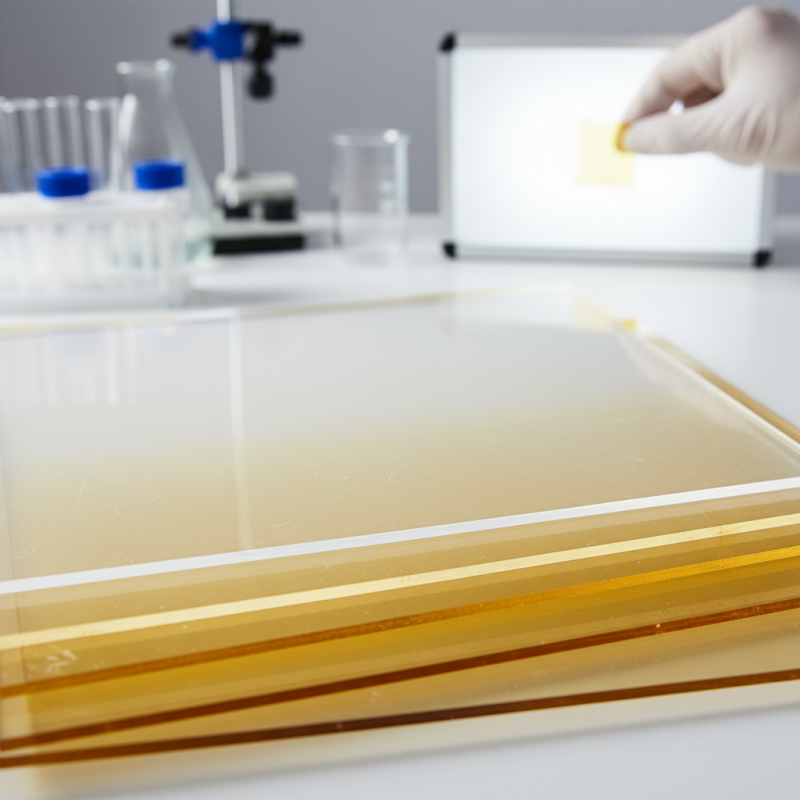
Yellowing in GPPS (General Purpose Polystyrene) plastic sheets is a significant concern for both manufacturers and consumers. Understanding what causes yellowing in GPPS plastic sheets is crucial for maintaining quality. Dr. Emily Chen, a leading expert in polymer science, states, “The degradation of plastic materials can lead to unsightly discoloration and loss of functionality.”

Various factors contribute to this yellowing. UV exposure, heat, and environmental stress can all play roles. For instance, when GPPS sheets are placed in sunlight, UV rays can break down the polymer chains. This leads to a yellowish tint, impacting the aesthetic and structural integrity of the plastic. Moreover, oxidation processes occur over time, further compromising the material’s quality.

While manufacturers strive to create long-lasting products, this issue highlights the importance of proper material selection and application. The reality is not every GPPS will remain pristine; some will inevitably show signs of aging. By comprehensively understanding what causes yellowing in GPPS plastic sheets, stakeholders can make informed decisions to minimize these effects. Emphasizing preventive measures can lead to innovations in product lifespan.
What Causes Yellowing in GPPS Plastic Sheets?

Causes of Yellowing in GPPS Plastic Sheets

Yellowing in GPPS (General Purpose Polystyrene) plastic sheets is a common issue that many users encounter. This phenomenon occurs due to various factors. One of the primary causes is exposure to ultraviolet (UV) light. Prolonged sunlight can break down the polymer chains in GPPS. This breakdown leads to changes in color and appearance. In industrial settings, improper storage conditions can also contribute. Storing GPPS sheets in humid or hot environments accelerates degradation.

Chemical exposure plays a significant role as well. Certain solvents and cleaners can react with the plastic, causing discoloration. Over time, this reaction weakens the material's structural integrity. Regular usage and wear can further promote yellowing. Even dust accumulation can absorb light and heat, hastening the yellowing process. Additionally, variations in manufacturing quality can lead to different levels of resistance to these issues.

Maintaining GPPS sheets involves understanding these factors. Users should take care to store these sheets in a cool, dry place. Using protective coatings can also help prolong their lifespan and appearance. However, it’s important to remember that even the best preventive measures may not be foolproof. Regular monitoring and proper care are essential for keeping GPPS sheets in good condition.

Impact of UV Exposure on Plastic Sheet Discoloration

Exposure to UV light is a significant factor in the yellowing of GPPS plastic sheets. Over time, ultraviolet rays can break down the chemical bonds in the plastic. This degradation leads to discoloration, resulting in an unsightly yellow hue. The process is gradual but noticeable. Those working with GPPS should be aware of this vulnerability.

Moreover, the extent of yellowing can vary based on several factors. Sheet thickness, exposure duration, and environmental conditions all play a role. Thin sheets may deteriorate faster than thicker ones. Additionally, high temperatures can accelerate the yellowing process. It's essential to consider storage methods for GPPS plastics. Covering them can reduce UV exposure significantly.

Lastly, not all yellowing can be mitigated. Even with protective measures, some discoloration may occur. Users may need to assess their GPPS sheets periodically to ensure quality. Addressing yellowing early can help in selecting the right solutions for preserving the aesthetics of these materials. Keeping informed about best practices is crucial for maintaining the integrity of GPPS plastic sheets.

What Causes Yellowing in GPPS Plastic Sheets? - Impact of UV Exposure on Plastic Sheet Discoloration

UV Exposure Duration (Hours) Yellowing Index (YI) Color Change (ΔE) Temperature (°C) Humidity Level (%)
0 0.0 0.1 25 30
100 1.5 2.0 25 30
300 3.8 4.6 25 30
600 6.5 6.8 25 30
1200 10.0 10.2 25 30

Chemical Reactions Leading to Yellowing in GPPS

Yellowing in GPPS (General Purpose Polystyrene) plastic sheets is a common issue prevalent in various applications. The primary cause of this yellowing is chemical reactions that occur during exposure to heat, light, and oxygen. UV radiation can break down the polymer chains in GPPS, leading to discoloration. Over time, these changes result in a dull yellow appearance.

Additionally, the presence of certain additives in GPPS can contribute to yellowing. For example, stabilizers and fillers may degrade over time when exposed to environmental factors. This degradation can release compounds that alter the color of the plastic. Regular exposure to chemicals, such as cleaning agents, can also initiate unwanted reactions, further promoting yellowing.

Tip: To minimize yellowing, store GPPS sheets in a dark, cool environment. Limit exposure to direct sunlight and harsh chemicals to help maintain their clarity.

Another effective method includes using protective coatings designed to shield the plastic from UV damage. Routine maintenance is also important. Inspecting your GPPS sheets regularly for discoloration can help you identify problems early on.

Tip: Keep a diary of environmental conditions where the sheets are stored. This can help in predicting and preventing yellowing by adjusting storage practices accordingly.

The Role of Heat and Temperature in Plastic Degradation

Heat and temperature play a significant role in the degradation of GPPS plastic sheets. When exposed to high temperatures, the molecular structure of the plastic changes. This impact can lead to yellowing, a visual sign of deterioration. Over time, heat can break down the chemical bonds within the plastic, releasing compounds that alter its appearance. It's crucial to monitor temperature conditions closely to mitigate this problem.

Even moderate heat can contribute to the process. For instance, leaving GPPS sheets in a warm environment can accelerate aging. UV light exposure often compounds this effect, as it interacts with heat. The results can be unpredictable, with varying rates of yellowing depending on environmental conditions. Ensuring proper storage is essential. While GPPS is known for its durability, heat exposure can undermine its integrity. This highlights an ongoing challenge in maintaining the quality of plastic materials. Optimization of temperature control is necessary for preserving their aesthetic and functional qualities.

What Causes Yellowing in GPPS Plastic Sheets?

This chart illustrates the relationship between temperature and the degree of yellowing in GPPS plastic sheets over time. As temperature increases, the degradation rate of the plastic also increases, leading to a higher level of yellowing.

Preventive Measures to Reduce Yellowing in GPPS Finishes

Yellowing in GPPS plastic sheets is a common issue. This phenomenon often results from prolonged exposure to UV light and heat. Over time, these environmental factors cause the polymer chains in GPPS to break down. This degradation not only affects appearance but also the material’s overall durability.

To prevent yellowing, proper storage is crucial. Keeping GPPS sheets away from direct sunlight can significantly prolong their clarity. Additionally, using protective covers or films during storage can offer extra defense against UV rays. Regular cleaning with gentle, non-abrasive solutions also helps maintain the aesthetic quality of the sheets.

Implementing shade structures is another effective measure. These can shield the materials during outdoor usage. However, it's important to choose the right materials for these structures, as some can inadvertently contribute to heat buildup. Addressing these details ensures the longevity of GPPS sheets while maintaining their pristine appearance.

FAQS

: What causes yellowing in plastic sheets?

: Yellowing often results from prolonged exposure to UV light and heat.

How does heat affect GPPS plastic?

Heat changes the molecular structure and breaks down chemical bonds, leading to deterioration.

What can be done to prevent yellowing?

Proper storage and keeping sheets away from direct sunlight can help maintain clarity.

Does moderate heat affect plastic degradation?

Yes, even moderate heat can accelerate aging and contribute to yellowing.

How does UV light interact with heat?

UV light exposure can compound the effects of heat, accelerating degradation unpredictably.

Is monitoring temperature conditions important?

Yes, it is crucial to monitor temperature to mitigate degradation problems.

What role do protective covers play?

Protective covers can offer extra defense against UV rays and help maintain aesthetic quality.

Can shade structures help?

Yes, shade structures protect materials during outdoor usage, but must be carefully chosen.

What is a common cleaning method for GPPS sheets?

Regularly cleaning with gentle, non-abrasive solutions helps maintain their appearance.

How can heat exposure challenge plastic integrity?

Exposure to heat undermines the durability and stability of plastic materials over time.

Conclusion

The article "What Causes Yellowing in GPPS Plastic Sheets?" delves into various factors contributing to the discoloration of GPPS (General Purpose Polystyrene) plastic sheets. Key aspects include the impact of UV exposure, which plays a significant role in accelerating the yellowing process due to photodegradation. Additionally, chemical reactions within the plastic and its exposure to heat and elevated temperatures can further exacerbate this issue, leading to structural degradation and color changes.

To mitigate the yellowing in GPPS finishes, several preventive measures are recommended. These include selecting UV-stabilized materials, minimizing direct sunlight exposure, and maintaining optimal temperature conditions during storage and usage. Understanding what causes yellowing in GPPS plastic sheets is vital for improving the longevity and aesthetic quality of these materials, ensuring they remain visually appealing and functionally effective over time.

Liam

Liam

Liam is a dedicated marketing professional with a profound expertise in the industry, where he excels at highlighting the unique advantages of our core products. With a keen understanding of market trends and consumer needs, Liam frequently updates our company’s professional blog, providing......