2026 How to Choose HIPS for Electronic Component Packaging?

Time:2026-06-04 Author:Ethan
0%

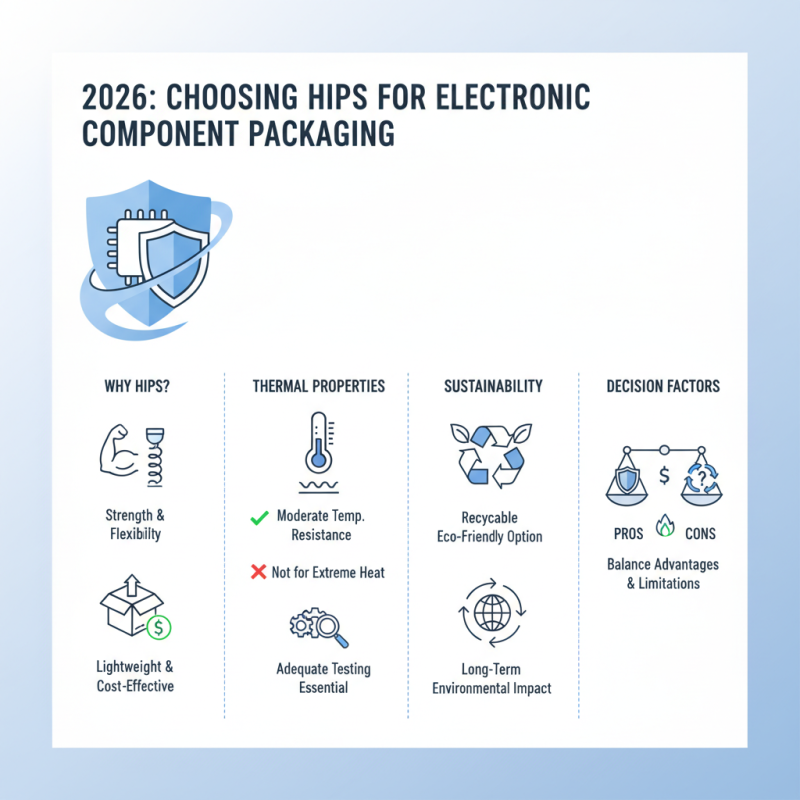
Choosing the right packaging for electronic components is crucial. Among various materials, High Impact Polystyrene (HIPS) stands out. Why use HIPS for electronic component packaging? HIPS offers a balance of strength and flexibility. It protects delicate components from mechanical stress during shipping and handling. HIPS is both lightweight and cost-effective. These features make it an appealing option for manufacturers.

When selecting HIPS, consider its thermal properties. HIPS can withstand moderate temperatures, making it suitable for various electronic items. However, it may not hold up under extreme heat. Adequate testing is essential to ensure it meets specific needs. Understanding the nuances of HIPS is vital in this decision-making process.

Furthermore, HIPS is recyclable, aligning with sustainability goals in packaging. Eco-friendliness is becoming a priority for many brands. Reflect on the material's long-term impact on the environment. While HIPS has many benefits, it’s important to weigh its limitations as well. Choosing HIPS means balancing advantages with potential drawbacks.
2026 How to Choose HIPS for Electronic Component Packaging?

Understanding HIPS: Properties and Benefits for Electronics Packaging

HIPS, or High Impact Polystyrene, is a popular material for electronic component packaging. It offers a unique combination of properties that make it ideal for this sector. Its strength and durability protect sensitive electronics from physical damage. Additionally, HIPS is lightweight, reducing transportation costs and overall product weight. This material is easy to mold and fabricate, which is essential for creating precise shapes that fit various electronic components.

One of the key benefits of HIPS is its excellent insulation properties. This aspect is critical in preventing electrical conduction, ensuring device safety. Moreover, HIPS has good chemical resistance, making it suitable for environments where exposure to certain substances may occur. However, it’s worth noting that while HIPS is effective, its applications can be limited in extreme temperature conditions. In such scenarios, alternative materials might perform better.

Understanding the environmental impact of HIPS is vital as well. While it is recyclable, the recycling rate can vary. As technology advances, awareness around sustainability in packaging must grow. It's important to weigh the benefits of HIPS against its environmental footprint. Finding a balance between material performance and ecological responsibility remains a challenge for many manufacturers.

Key Factors to Consider When Selecting HIPS for Component Protection

When choosing High Impact Polystyrene (HIPS) for electronic component packaging, several crucial factors must be considered. The material's impact resistance is paramount. It protects sensitive components from drops or mechanical shocks. The thickness of the HIPS can influence its strength. Thicker materials typically offer better protection, but they may add weight.

Thermal stability is another important aspect. HIPS should withstand varying temperatures during assembly and use. This helps prevent warping or degradation. Selecting the right grade is essential, as not all HIPS formulations provide the same thermal properties. It's also wise to consider the environmental impact. Some HIPS materials are more recyclable than others.

However, over-reliance on specific properties can lead to issues. For instance, focusing solely on impact resistance may overlook flexibility requirements. A balance must be struck between protection and usability. Testing prototypes before full-scale production can reveal unexpected challenges. Understanding these factors will help ensure reliable and effective electronic packaging solutions.

Comparative Analysis: HIPS vs. Other Materials in Electronic Packaging

When choosing materials for electronic component packaging, High Impact Polystyrene (HIPS) stands out for several reasons. It offers a balance between cost-effectiveness and mechanical strength, making it suitable for various applications. HIPS is notably lightweight, which benefits the overall assembly process. Furthermore, it can be easily molded, allowing for intricate designs that protect sensitive components.

In comparison to other materials, HIPS shows advantages over ABS and PVC. While ABS is tougher, it is often more expensive and less recyclable. PVC, although cheaper, does not offer the same thermal stability as HIPS. This aspect becomes crucial when packaging components that may generate heat during operation. However, HIPS can sometimes struggle with chemical resistance. It is essential to evaluate the specific environment where the packaging will be used.

Another key factor is the environmental impact of each material. HIPS can be recycled, aligning with sustainable practices. In contrast, PVC raises concerns about toxicity and its disposal challenges. Ultimately, selecting packaging material requires careful consideration of multiple factors, including mechanical properties, cost, and environmental footprint. Each choice has trade-offs that necessitate reflection on long-term implications for both performance and sustainability.

Market Trends: Demand and Usage Statistics of HIPS in 2026

As we move into 2026, the demand for High Impact Polystyrene (HIPS) in electronic component packaging is reaching new heights. HIPS is gaining popularity due to its excellent impact resistance and ease of processing. The statistics indicate a significant rise in usage, particularly in items requiring durability like casings and trays. Data suggests that packaging solutions using HIPS will increase by over 15% in the next year.

Customers are now looking for sustainable options as environmentally friendly practices become mandatory. This trend raises questions about the recyclability of HIPS. While it can be reused, the recycling infrastructure in various regions remains underdeveloped. The tech industry is actively searching for alternatives that balance performance with environmental impact.

Moreover, the evolving technology landscape influences project requirements. Designers must consider not just the physical properties of HIPS but also its compatibility with modern manufacturing processes. These advancements can sometimes lead to inadequate packaging solutions, where performance standards might not adjust quickly enough to meet consumer needs. Therefore, careful analysis and continuous improvements in HIPS packaging are essential for meeting the market's expectations.

2026 How to Choose HIPS for Electronic Component Packaging? - Market Trends: Demand and Usage Statistics of HIPS in 2026

Region Market Demand (Metric Tons) Percentage Share (%) Growth Rate (%) Key Application Areas
North America 25,000 30% 5% Consumer Electronics, Automotive
Europe 20,000 25% 3% Packaging, Appliances
Asia-Pacific 40,000 45% 7% Electronics, Medical Devices
Latin America 10,000 15% 4% Construction, Toys
Middle East & Africa 5,000 5% 2% Packaging, Electronics

Case Studies: Successful Applications of HIPS in Electronics Industry

The use of High Impact Polystyrene (HIPS) in the electronics industry has gained momentum. Its versatility and durability make it suitable for various packaging applications. According to a recent industry report, the global demand for HIPS in electronics packaging is expected to grow by 8% annually until 2026. This growth is driven by innovations in electronic component design and the need for effective protection against environmental factors.

Case studies highlight HIPS's successful applications across different sectors. For example, in the consumer electronics sector, HIPS is frequently used for enclosures due to its lightweight yet robust properties. A well-known manufacturer reported a 25% reduction in material costs after switching to HIPS for their packaging solutions. Similarly, in the automotive electronics sector, HIPS helps in crafting reliable sensors and connectors. However, the transition to HIPS can be challenging. Engineers often need to navigate material compatibility and production processes to ensure quality.

Despite its advantages, the material is not without its drawbacks. For instance, HIPS has limited resistance to high-temperature environments. In some cases, manufacturers found themselves re-evaluating HIPS choices after facing issues with thermal stability. Continuous research and adaptation are necessary for optimizing HIPS applications in electronics packaging. Such efforts contribute to enhanced product life cycles and reliability in the long run.

FAQS

: What is HIPS?

: HIPS stands for High Impact Polystyrene. It's widely used for electronic component packaging.

What are the key properties of HIPS?

HIPS is strong, durable, lightweight, and easy to mold. It protects sensitive electronics.

How does HIPS provide insulation?

HIPS has excellent insulation properties, preventing electrical conduction and ensuring device safety.

Is HIPS environmentally friendly?

HIPS is recyclable, but its recycling rate varies. Balancing performance and sustainability is crucial.

What factors should be considered when selecting HIPS?

Consider impact resistance, thickness, thermal stability, and environmental impact. Each affects protection.

What are some challenges with HIPS?

HIPS may not perform well in extreme temperatures. Issues with material compatibility can arise too.

How is HIPS used in consumer electronics?

HIPS is often used for lightweight and robust enclosures in consumer electronics packaging.

What is a drawback of HIPS in automotive applications?

HIPS has limited resistance to high temperatures, affecting reliability in automotive components.

Why is testing important before production?

Prototypes help identify unexpected challenges, ensuring reliable and effective packaging solutions.

How is the demand for HIPS expected to grow?

The global demand for HIPS in electronics packaging is projected to grow by 8% annually until 2026.

Conclusion

The article "2026 How to Choose HIPS for Electronic Component Packaging" explores the key reasons why use HIPS for electronic component packaging. HIPS (High Impact Polystyrene) is highlighted for its excellent properties, including impact resistance, ease of processing, and cost-effectiveness, making it an ideal choice for protecting sensitive electronic components. The article emphasizes the importance of considering factors such as durability, thermal stability, and environmental impact when selecting HIPS, providing valuable insights into its advantages over alternative materials.

Furthermore, a comparative analysis reveals HIPS's growing market trends, with increasing demand in 2026, driven by its successful applications in the electronics industry. Through case studies, the article illustrates practical examples of HIPS in action, reinforcing the material’s relevance and effectiveness in modern electronic packaging solutions.

Ethan

Ethan

Ethan is a seasoned marketing professional with a deep expertise in our company's innovative product line. With a passion for sharing knowledge and insights, he takes the lead in regularly updating our corporate blog, where he explores industry trends, product features, and effective marketing......