Choosing the right filament for 3D printing is crucial for achieving quality results. Among various materials, PETG stands out. Many makers ask: why is PETG preferred for 3D printing filaments? Its unique properties offer a blend of strength and flexibility. PETG is also known for its ease of use, making it suitable for both novices and experts.
This filament is highly resistant to impact and moisture. These characteristics make it ideal for functional prototypes and durable parts. However, some users face challenges with stringing and adhesion. Each printer behaves differently, and adjustments may be needed.
Furthermore, understanding the nuances of PETG can enhance the printing experience. The right temperature settings can affect the final product. Although it is user-friendly, experimenting is often necessary. Embracing the learning curve can lead to impressive results. In the realm of 3D printing, knowledge and adaptability are key.
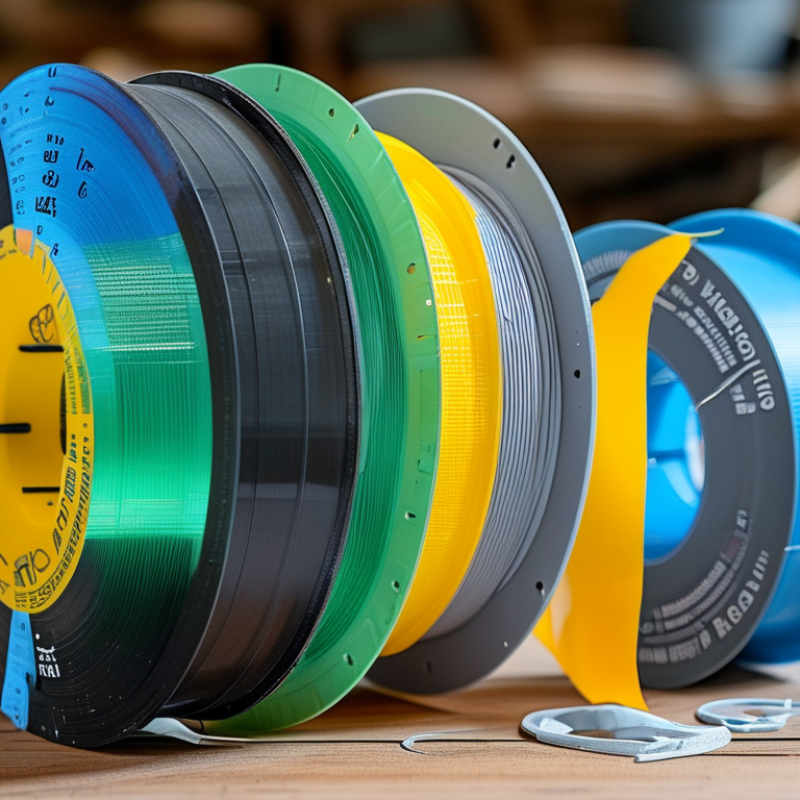
PETG, or polyethylene terephthalate glycol, is a popular material in 3D printing. It offers a perfect balance between flexibility and durability. Many users appreciate its strength, which is greater than PLA, and its impact resistance. This makes PETG suitable for functional parts and prototypes. However, it can be tricky to print for beginners. The right temperature settings are vital to prevent issues like stringing.
One of the standout features of PETG is its layer adhesion. It bonds well, producing smooth surfaces. This quality often leads to enhanced aesthetic results. Yet, some users may find it more challenging to achieve those perfect finishes. Finding the correct print speed can be a process of trial and error. It’s essential to adjust your settings based on the specific model and printer used.
Another aspect to consider is the environmental impact. PETG is recyclable, which offers benefits over some other materials. However, not all recycling facilities accept it. This can lead to waste if users are not careful. In summary, while PETG provides many advantages, understanding its properties and limitations is fundamental for successful printing.
When considering PETG for 3D printing, it's essential to compare it with other materials. PETG is known for its strength and flexibility. It is more durable than PLA, making it suitable for functional parts. However, it is not as stiff as ABS, which may be necessary for specific applications. Each filament has unique characteristics that affect print quality and usability.
One notable advantage of PETG is its resistance to moisture and chemicals. This property can extend the lifespan of printed parts, especially in challenging environments. Yet, achieving optimal print settings can sometimes be tricky. Users may face stringing issues if the temperature is too high. Fine-tuning the settings requires experience and patience.
In contrast, PLA is easier to print, making it a popular choice for beginners. However, it lacks PETG's durability. ABS has fantastic properties but can warp during printing. Thus, choosing the right filament depends on the specific requirements of the project. Evaluating the strengths and weaknesses of each material is key to successful printing results.
Choosing PETG filament for 3D printing requires careful consideration of several key factors. One important aspect is the filament's thermal properties. According to a 2021 report by the Society of Manufacturing Engineers, PETG can withstand temperatures up to 80°C. This heat resistance makes it suitable for functional prototypes and parts exposed to warm environments.
Another factor to consider is the filament's ease of printing. PETG boasts better adhesion than standard PLA. However, it can also lead to stringing and oozing during prints. Many users report requiring fine-tuning of retraction settings to mitigate these issues. A 2023 study indicated that improper retraction can lead to print failures, emphasizing the need for careful adjustments.
The quality and consistency of the filament are also crucial. Data from the 2022 Filament Quality Benchmark report highlighted that filament diameter variations can affect print quality. Small deviations, often less than 0.05mm, can result in inconsistent extrusion. Users should prioritize suppliers with reliable quality control processes. Ignoring this can lead to frustrating print experiences and wasted materials.
PETG is increasingly popular for various 3D printing projects due to its valuable properties. Its strength and impact resistance make it ideal for creating functional prototypes. For instance, in engineering, PETG is used not only for parts but also for tools. This helps engineers validate their designs with ease.
In the medical field, PETG finds applications in making sterilizable parts. Its durability ensures that devices hold up under rigorous use. Many hospitals have adopted PETG for creating custom tools and equipment. Educational institutions also leverage PETG for teaching purposes. Students can build complex models that are both affordable and reliable.
However, while PETG is versatile, it's not without challenges. Print settings require careful tuning to avoid issues like stringing or warping. This can be frustrating for newcomers. They might need to experiment with nozzle temperatures and bed adhesion. Learning from these trials can provide valuable experience.
| Application Area | Advantages | Common Uses | Recommended Print Settings |
|---|---|---|---|
| Food Containers | High clarity, chemical resistance | Packaging, meal prep containers | Nozzle Temp: 230-250°C; Bed Temp: 70-80°C |
| Mechanical Parts | Durability, flexibility | Brackets, gears, holders | Nozzle Temp: 240-260°C; Bed Temp: 80-90°C |
| Prototyping | Easy to print, good layer adhesion | Concept models, functional prototypes | Nozzle Temp: 230-250°C; Bed Temp: 70-80°C |
| Electronic Enclosures | Electrical insulation, toughness | Cases for electronics, battery covers | Nozzle Temp: 240-260°C; Bed Temp: 75-85°C |
| Artistic Models | High aesthetic quality, various colors | Statues, decorative items | Nozzle Temp: 230-250°C; Bed Temp: 70-80°C |
When choosing PETG filament for 3D printing, optimizing print settings is crucial. PETG is praised for its durability and ease of use, but incorrect settings can lead to issues. Beginners often struggle with layer adhesion and stringing, making it essential to fine-tune parameters.
One effective tip is to adjust the printing temperature. Start around 230°C and gradually increase it. This helps improve layer bonding. Keep in mind that too high a temperature can cause oozing. Another important adjustment involves the print speed. Slower speeds often yield better results with PETG. Aim for a speed between 40-60 mm/s. This allows each layer to solidify properly.
Consider using a cooling fan. While PETG generally requires less cooling than PLA, a slight airflow can reduce stringing. Trial and error may be necessary to find the perfect balance. Remember, each 3D printer and filament batch may behave differently. Frequent calibration is key to achieving consistent prints with PETG.
: PETG is strong and impact-resistant, making it ideal for functional prototypes and tools.
PETG is used to create sterilizable equipment and custom tools for hospitals, ensuring durability.
Yes, difficulties like stringing and warping can occur if print settings aren’t optimized.
It's best to start at around 230°C and adjust the temperature as needed for better bonding.
Slower print speeds, around 40-60 mm/s, often yield better results by allowing layers to solidify.
A slight airflow can help reduce stringing, even though PETG needs less cooling than other materials.
They may face frustrations with settings. Experimentation is key to successful prints.
Frequent calibration and fine-tuning settings for each printer and filament batch is crucial.
Yes, students can build affordable and reliable models using PETG for educational purposes.
Remember that every printer is different, so adjustments may require numerous trials to get right.
PETG (Polyethylene Terephthalate Glycol) has become increasingly popular in the 3D printing community, and for good reason. Understanding PETG's properties reveals its strength, flexibility, and resistance to temperature, making it a preferred choice for various applications. Comparing PETG to other filaments, such as ABS and PLA, highlights its unique advantages, such as better layer adhesion and lower likelihood of warping. When choosing PETG filament, key factors to consider include the desired strength, print temperature, and the specific project requirements.
The versatility of PETG allows it to be used across a variety of projects, from prototyping to production parts. To achieve optimal results with PETG, it is essential to fine-tune print settings, such as bed temperature and printing speed. This leads to the question of why is PETG preferred for 3D printing filaments: its balance of durability, ease of use, and print quality make it an ideal choice for both beginners and experienced users.

Benchmark Plastic