When it comes to thermoforming, selecting the right thickness of materials is crucial. Industry expert Dr. Lisa Thompson states, “The thickness impacts not just the appearance but also the functionality of the final product.” Understanding how to choose the right thickness for thermoforming is key to achieving desired results.
Different applications may require varying material thicknesses. For instance, thicker materials can provide better durability and structure but may also lead to increased production costs. On the other hand, thinner sheets can reduce costs but may compromise strength. This balancing act is essential for effective design.
Evaluating material properties is also significant. Consider factors like heating requirements and cooling time. These aspects can influence your final decision. In an industry that emphasizes efficiency and quality, revisiting your thickness choices and their implications is vital. The challenge lies in finding an optimal balance that meets both performance expectations and budgetary constraints.
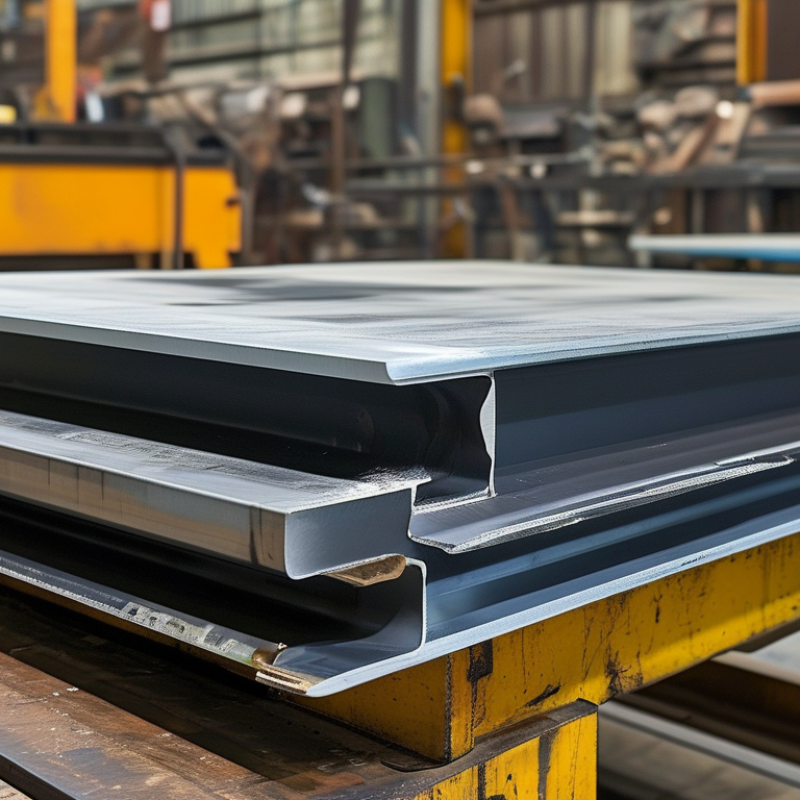
Thermoforming is a versatile process used for shaping plastic materials. Understanding the different types of thermoforming materials is crucial for selecting the right thickness. Common materials include PVC, PET, and polystyrene, each offering unique benefits for various applications. For instance, PET is well-known for its durability, making it suitable for food packaging, while PVC is often used in construction applications due to its rigidity.
Thickness plays an important role in determining the final product's strength and flexibility. Thinner materials enable intricate designs but may lack structural integrity. On the other hand, thicker materials provide sturdiness but can be more challenging to form. The choice ultimately depends on the product's intended use. If the product is meant to be lightweight and easily transportable, a thinner material might suffice. Conversely, for items requiring high durability, a thicker option would be more appropriate.
It’s essential to evaluate the specific application. Are you producing consumer goods or industrial parts? Each scenario demands a different approach. Reflecting on these considerations can guide you in making informed choices. However, an ideal thickness may not be clear-cut. Testing various samples could lead to unexpected results. Small adjustments in thickness can significantly impact functionality, so remain open to experimentation.
When selecting the appropriate thickness for thermoforming materials, several key factors play a critical role. A recent study from the American Society for Plastics Engineers highlights that material thickness can significantly impact both performance and cost efficiency. For example, thicker materials often yield better structural integrity but can lead to increased production costs. An optimal thickness generally ranges from 0.020 inches to 0.040 inches, depending upon the application requirements.
The nature of the application dictates thickness requirements. Products designed for high-stress environments inevitably require thicker materials. Conversely, applications like disposable packaging may benefit from thinner sheets. Additionally, the type of thermoforming process employed, such as vacuum or pressure forming, also influences thickness choices. Data suggest that about 20% of manufacturers report that adjusting thickness has markedly improved their end product quality.
Furthermore, material characteristics such as flexibility and thermal stability are vital considerations. Thinner materials may not hold up well under extreme temperatures, leading to warping or failure during use. An analysis by the Society of the Plastics Industry found that nearly 15% of product failures stemmed from inappropriate material thickness. This indicates the need for careful evaluation and sometimes a trial-and-error approach in selecting the right thickness.
Choosing the right thickness for thermoforming materials requires careful consideration of various properties. Different thicknesses can significantly impact the performance and durability of the final products. According to industry reports, thicker materials generally offer enhanced rigidity and resistance to deformation. For instance, a study by the Thermoforming Institute revealed that materials over 0.060 inches thick exhibit a higher tensile strength, making them ideal for heavy-duty applications.
However, thicker materials may also pose challenges. They can lead to longer heating times and higher energy consumption during the thermoforming process. Research indicates that a 20% increase in material thickness can result in a 15% rise in processing time. This can affect production efficiency and increase costs. Furthermore, achieving uniform heating throughout thicker sheets requires advanced technology, impacting overall reliability.
On the other hand, thinner materials often present unique advantages. They are easier to form and allow for quicker cycle times. A report by the Plastic Industry Association noted that materials under 0.030 inches can significantly reduce waste during production. Yet, thinner gauges may compromise strength, making them unsuitable for certain applications. Evaluating specific requirements is essential. The choice of thickness must balance between durability and efficiency to meet production goals effectively.
This chart evaluates the properties of different thicknesses of thermoforming materials, including flexibility, durability, and cost. Data is represented on a scale of 0 to 100, helping users to make informed decisions when selecting the appropriate thickness for their applications.
Choosing the right thickness for thermoforming materials is crucial for project success. Various factors influence this decision, including the end product's functionality, aesthetics, and production costs.
According to industry reports, adapting the thickness can impact the mechanical properties of the material. For instance, thinner materials might allow for greater detail but may compromise strength.
In general, a thickness range of 0.040 to 0.080 inches is common in many applications. However, achieving the right balance requires consideration of the specific application needs. Products requiring significant rigidity, like automotive components, generally benefit from thicker materials. A study found that increasing thickness can enhance impact resistance by up to 30%. Yet, increasing thickness can also lead to higher material costs and prolonged heating times, which can affect production efficiency.
Reflecting on these factors is essential. It's advisable to conduct tests with varying thicknesses before finalizing designs. This approach identifies potential issues early, ensuring a more reliable end product. Even with data backing, real-world experiments provide insight that reports sometimes lack. Each project may reveal unique challenges, urging a flexible mindset and readiness to adapt.
Choosing the right thickness for thermoforming materials is crucial for product performance. Many designers make mistakes that compromise the end result. One common error is underestimating the material's behavior during the heating process. Thinner materials may not hold their shape well and can result in warping. This often leads to increased waste and higher costs. Aim for a balanced thickness that suits the product's requirements.
Another frequent pitfall is ignoring the final application of the product. Not all applications demand the same level of sturdiness. For example, packaging requires lighter materials than rigid structures. Misjudging the thickness can compromise functionality. Consider factors such as durability and flexibility. Testing prototypes can help identify the best thickness. Don't overlook this step; many overlook it, leading to costly adjustments later.
It's also vital to stay updated on industry standards and advancements. Material options and technology evolve quickly. Relying solely on past experiences may lead to outdated choices. Emphasizing research and seeking expert opinions can guide better decisions. Reflections on past projects can reveal missed opportunities for innovation. Every detail matters when choosing material thickness. Your choices today affect future success.
: Thermoforming is a process for shaping plastic materials into desired forms.
Different materials offer unique benefits, influencing durability and application suitability.
Thickness impacts strength and flexibility; thinner materials allow intricate designs but lack sturdiness.
Common materials include PVC, PET, and polystyrene, each serving different applications effectively.
Thicker materials may require longer heating times and increased energy consumption.
Thinner materials are easier to form and can reduce waste during production cycles.
No, ideal thickness varies by application and often requires testing for best results.
Consider the product’s intended use, balancing strength and manufacturing efficiency.
Yes, even minor changes in thickness can significantly alter a product’s performance.
Advanced technology is vital for achieving uniform heating and reliable results with thicker sheets.
Choosing the right thickness for thermoforming materials is crucial for the success of any project. The process begins with understanding various thermoforming materials and their applications, as certain projects may require specific thicknesses to achieve optimal performance. Factors such as the intended use, mechanical properties, and temperature resistance significantly influence the thickness selection.
Evaluating the properties of different material thicknesses can help in making an informed decision. It is essential to follow guidelines for selecting the optimal thickness, ensuring that the material will perform as required during manufacturing and in end-use. Additionally, avoiding common mistakes—like overlooking the impact of thickness on cost and production time—will lead to better outcomes. By considering these aspects, you can effectively learn how to choose the right thickness for thermoforming, ensuring that your final product meets the desired specifications.

Benchmark Plastic