When exploring plastics, you may wonder, "what is the difference between HIPS and GPPS plastic?" Both materials have distinct properties and applications. HIPS, or High-Impact Polystyrene, is known for its strength and durability. It is often used in items like packaging, toys, and appliances. On the other hand, GPPS, or General-Purpose Polystyrene, is more rigid and brittle. It finds its place in applications such as containers and disposable goods.
Understanding these differences is crucial for manufacturers and consumers alike. HIPS offers better impact resistance, making it suitable for items that require toughness. However, GPPS provides clarity and gloss, which can enhance product appearance. Each plastic has advantages, but limitations exist. For instance, HIPS may not perform well in high-temperature settings. Similarly, GPPS may crack under stress.
In conclusion, knowing the distinctions between HIPS and GPPS plastic can inform your choices. Consider the specific needs of your project before selecting a material. Reflecting on these factors helps ensure you choose the right plastic for the task at hand.
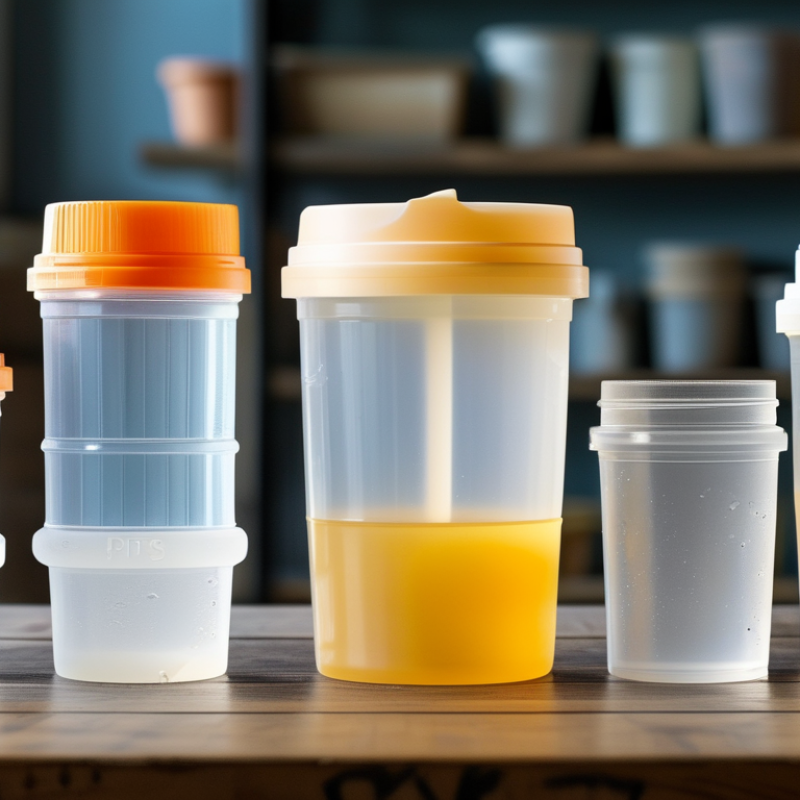
Understanding HIPS Plastic: Properties and Applications
HIPS, or High Impact Polystyrene, is a widely used thermoplastic. Its unique properties make it suitable for various applications. HIPS combines toughness and rigidity, providing strength in many products. This material is light, easy to process, and can be molded into different shapes. It is commonly used in consumer electronics, toys, and packaging.
The flexibility of HIPS allows for enhanced impact resistance. This is crucial in applications where durability is essential. Manufacturers often choose HIPS for products that require a balance of strength and weight. Its smooth surface also makes it ideal for printing, adding aesthetic value.
While HIPS offers many advantages, it has limitations. It is less resistant to heat compared to some other plastics. This can lead to deformation if exposed to high temperatures. Additionally, HIPS is not inherently UV-resistant, which means outdoor applications may require additional treatment. Manufacturers must weigh these factors when selecting materials.
Comparison of HIPS and GPPS Plastic Properties
This chart compares the properties of HIPS and GPPS plastics in terms of tensile strength and flexural modulus. HIPS (High Impact Polystyrene) is noted for its impact resistance, while GPPS (General Purpose Polystyrene) is ideal for rigid applications.
Exploring GPPS Plastic: Characteristics and Uses
GPPS plastic, or general-purpose polystyrene, offers unique properties that make it versatile for various applications. It is clear, rigid, and light in weight. This type of plastic is often used in packaging materials, consumer goods, and even in certain household items. Its clarity allows for excellent visibility, making it ideal for display purposes. Many enjoy seeing products through GPPS packaging.
In addition to clarity, GPPS has good thermal stability. It can withstand moderate heat without deforming. This quality makes it suitable for items that may be exposed to warm temperatures, like some food containers. However, it can be brittle, which means it might not withstand heavy impacts. Users must consider this when designing products or selecting materials. GPPS proves efficient for many applications, but its limitations in strength must be acknowledged. Understanding these characteristics is vital for designers and manufacturers alike.
Comparative Analysis of HIPS and GPPS: Key Differences
HIPS (High Impact Polystyrene) and GPPS (General Purpose Polystyrene) are both widely used plastics, but they serve different purposes. HIPS offers increased impact resistance, making it ideal for applications requiring durability. On the other hand, GPPS is more rigid and better for processes needing clarity and smooth surfaces. This fundamental difference significantly impacts their use in manufacturing.
When manufacturing with HIPS, consider its ability to absorb shock. This makes it a popular choice for products like appliance bodies and packaging. GPPS is suited for items that need a polished appearance, such as displays and containers. However, the rigidity of GPPS can be a disadvantage in environments where flexibility is needed.
Tips for users: Always evaluate the environment where the product will be used. Understand the specific needs of your application. Don't be hesitant to experiment with both materials. Reflect on the impact each material has on your design and function. This will enable you to make informed decisions.
What is the Difference Between HIPS and GPPS Plastic? - Comparative Analysis of HIPS and GPPS: Key Differences
| Property |
HIPS (High Impact Polystyrene) |
GPPS (General Purpose Polystyrene) |
| Impact Resistance |
High |
Low |
| Transparency |
Opaque |
Clear |
| Applications |
Packaging, toys, household goods |
Containers, general-purpose applications |
| Cost |
Moderate |
Low |
| Thermal Resistance |
Moderate |
Low |
| Chemical Resistance |
Poor |
Moderate |
| Molding Process |
Easier to mold |
Standard molding |
Applications of HIPS and GPPS in Various Industries
HIPS (High Impact Polystyrene) and
GPPS (General Purpose Polystyrene)
are vital materials across various industries.
HIPS is known for its toughness and impact resistance, making it ideal for products requiring durability. Common applications include packaging, toys, and household items.
GPPS, on the other hand, is more rigid and transparent. It's often used in applications like containers, food packaging, and stationary items, where clarity and aesthetics are essential.
In the automotive sector,
HIPS is favored for interior components due to its strength. It can withstand impacts while offering a smooth finish.
GPPS is sometimes used in light covers and displays, providing visual appeal.
Both materials are also significant in the electronics industry, where
HIPS serves as housing for devices.
GPPS finds its place in protective cases and component assemblies due to its reliable performance.
Tips: When choosing between HIPS and GPPS, consider the specific requirements of your product.
If you need strength, lean towards HIPS. For clarity and aesthetics, opt for GPPS.
Sometimes, it's worth experimenting with both to find the best fit for your needs. Keep in mind that not every material works perfectly in every application,
and some adjustments may be necessary to achieve the desired results.
Choosing Between HIPS and GPPS: Factors to Consider
When selecting between HIPS (High Impact Polystyrene) and GPPS (General Purpose Polystyrene), it’s vital to consider various factors. Both materials have unique characteristics that suit different applications. HIPS is known for its durability and toughness, making it ideal for products needing impact resistance. In contrast, GPPS offers clarity and rigidity but lacks the same strength. This distinction could impact the performance of your end product based on the environment in which it will be used.
Tip: Think about the end use of the product. If it will be subjected to stress or impact, HIPS offers a reliable choice. If clarity and aesthetic appeal are priorities, GPPS may be more suitable.
Cost is another consideration. HIPS typically costs more than GPPS due to its enhanced properties. However, the higher upfront cost may pay off in the long run with fewer replacements or repairs. Weigh the initial investment against the potential long-term savings.
Tip: Calculate the total cost of ownership for both materials. Factor in initial costs, longevity, and maintenance. This can guide you in making an informed decision based on your specific needs.
FAQS
: HIPS is often used for products that need durability, like appliance bodies and packaging.
GPPS is more rigid and provides clarity, while HIPS offers better impact resistance.
Choose HIPS if the product will face stress or potential impacts during use.
GPPS is ideal for items needing a polished appearance, such as displays and containers.
Yes, HIPS typically costs more due to its enhanced properties, impacting total costs.
Consider the environment, product use, and desired aesthetics to make an informed choice.
Yes, experimenting can reveal insights into how each material fits your specific application.
Think about how each material affects your design and the overall product function.
GPPS may lack flexibility, which can be a disadvantage in certain environments.
Factor in initial costs, longevity, and maintenance for better decision-making.
Conclusion
In exploring the question of "what is the difference between HIPS and GPPS plastic," it is essential to understand their distinct properties and applications. HIPS (High-Impact Polystyrene) is known for its toughness and impact resistance, making it ideal for applications in packaging and consumer products. In contrast, GPPS (General Purpose Polystyrene) is characterized by its rigidity and clarity, often used in situations where transparency is desired, such as in containers and display cases.
A comparative analysis reveals that HIPS is preferred for applications requiring durability, while GPPS is chosen for its aesthetic and optical qualities. Both materials find diverse applications across various industries, including automotive, electronics, and household products. Ultimately, when selecting between HIPS and GPPS, factors such as impact resistance, clarity, and intended use should be carefully considered to meet specific project requirements.

 Benchmark Plastic