When exploring the world of plastic sheets, understanding material differences is crucial. This article focuses on how to distinguish between PET and PETG sheets effectively. Many people confuse these two materials due to their similar appearances and properties. However, each type has unique characteristics that suit different applications.
PET, or polyethylene terephthalate, is commonly used for products like water bottles. It is lightweight, clear, and has good chemical resistance. On the other hand, PETG, or glycol-modified polyethylene terephthalate, offers improved impact resistance and flexibility. It is often chosen for applications requiring transparency and durability.
Navigating the differences requires a keen eye. Sometimes, even experienced users overlook subtle cues. For example, PETG sheets are usually easier to bend and shape compared to their PET counterparts. This distinction can greatly affect design choices. As we delve deeper into the topic, we will uncover practical tips and methods for differentiating these two widely used materials effectively.
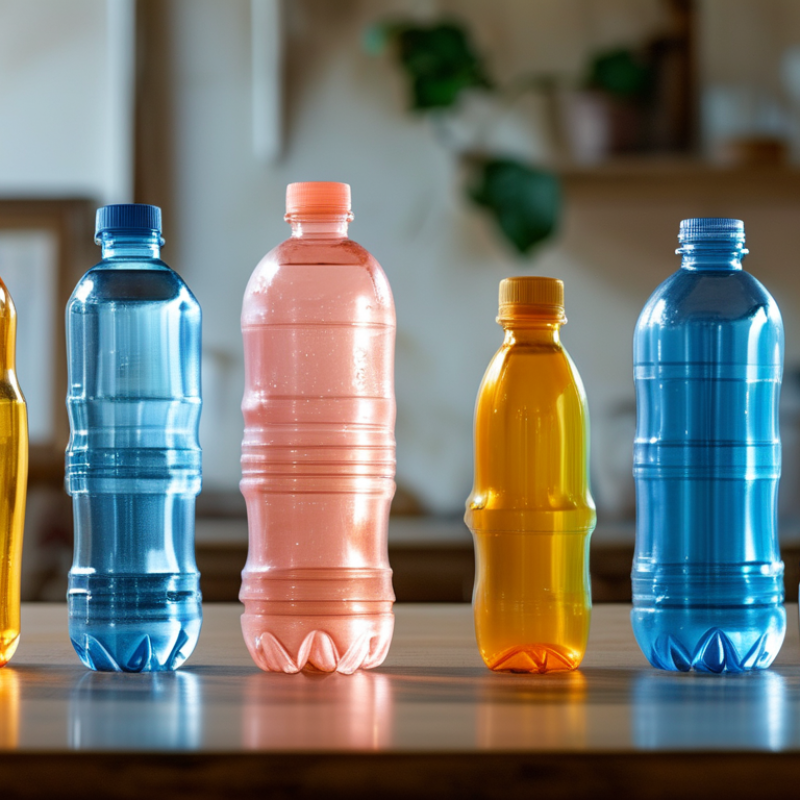
Distinguishing Characteristics of PET vs. PETG Sheets
When distinguishing between PET and PETG sheets, it’s crucial to understand their unique characteristics. PET, or polyethylene terephthalate, is known for its clarity and strength. It has a lower impact resistance compared to PETG. On the other hand, PETG, which includes glycol in its component, offers superior toughness. This makes it more resistant to breaking and cracking.
Another notable difference is the manufacturing process. PET sheets are typically more rigid, whereas PETG sheets are flexible and easier to mold. This flexibility allows for more intricate designs, making PETG a preferred choice in complex projects. Furthermore, PETG retains transparency better than PET, which may yellow over time under UV exposure.
However, not all situations require the best material. For simple applications, using standard PET may suffice. Yet, relying solely on visual cues can be misleading. A close inspection of properties, such as flexibility and impact resistance, can provide valuable insights. Understanding these distinctions, while sometimes challenging, is crucial for making informed decisions based on specific project needs.
Chemical Structure and Composition Differences Between PET and PETG
When comparing PET and PETG sheets, the differences in chemical structure and composition are prominent. PET, or polyethylene terephthalate, is a polymer made from the reaction of terephthalic acid and ethylene glycol. This composition gives PET good clarity and moderate flexibility. However, its resistance to impact is limited, making it less durable for high-stress applications.
On the other hand, PETG, or glycol-modified PET, incorporates glycol in its manufacturing process. This modification leads to improved impact resistance and greater thermal stability. PETG sheets are often clearer than standard PET, enhancing aesthetic appeal in display and packaging applications. The presence of glycol in PETG reduces brittleness, offering more resilience under various conditions.
Understanding these chemical differences can aid in material selection for specific projects. While PET is suitable for basic uses, PETG excels in environments requiring durability and clarity. This distinction is crucial for manufacturers and designers alike. Considerations about processing, end-use, and longevity can further inform choices, highlighting the necessity to reflect on material attributes comprehensively.
Mechanical Properties: Strength, Flexibility, and Impact Resistance
When comparing PET and PETG sheets, understanding their mechanical properties is crucial. PET sheets are known for their high strength. They can withstand substantial loads, making them suitable for various applications. PETG sheets offer a blend of strength and flexibility. This material can endure flexing without cracking. The inherent flexibility of PETG makes it popular for complicated designs.
Impact resistance is another area of distinction between these materials. PET typically exhibits lower impact resistance compared to PETG. Data suggests that PETG can absorb more energy during impacts. This makes PETG a better choice for items needing durability against drops or collisions. For instance, in packaging, PETG is often preferred due to its ability to maintain integrity under stress.
**Tips:** When selecting between PET and PETG, consider the intended use. For items needing rigidity, PET may be ideal. If flexibility is critical, go for PETG. Always review specific project requirements. Using the wrong material can lead to unexpected failures. Testing small samples can also provide insights into performance under real-world conditions. This step is essential before committing to larger orders.
How to Distinguish Between PET and PETG Sheets Effectively? - Mechanical Properties: Strength, Flexibility, and Impact Resistance
| Property |
PET Sheets |
PETG Sheets |
| Tensile Strength (MPa) |
55-80 |
40-55 |
| Flexural Modulus (GPa) |
2.5-3.0 |
1.5-2.4 |
| Impact Resistance (Izod) (J/m) |
30-60 |
60-100 |
| Thermal Stability (°C) |
70-80 |
80-90 |
| Transparency (%) |
90-92 |
85-90 |
Thermal Properties: Glass Transition and Melting Points Comparison
When comparing PET and PETG sheets, understanding their thermal properties is crucial. Both materials have distinct glass transition temperatures (Tg) and melting points, influencing their applications.
PET typically has a Tg around 80°C and a melting point of 250°C. In contrast, PETG features a lower Tg, about 80°C as well, but a notable melting point of around 230°C.
Tips: When selecting materials, consider the temperature range of your project. If your application involves high heat, PET may provide better performance. However, PETG offers superior clarity and impact resistance, making it ideal for many visually demanding applications.
Identifying these differences aids in making informed decisions. Keep in mind the manufacturing processes can affect thermal properties. Look for material certifications and test results to ensure reliability. Testing small samples in real-world conditions is always a good practice. This approach can highlight unexpected weaknesses or advantages.
Tips: Be open to experimentation. It's important to document your findings for future reference. This reflection on your processes can lead to better material choices in the long run. Always prioritize materials that align with your specific needs and project objectives.
Applications and Industry Usage Trends for PET and PETG Products
PET and PETG materials are gaining significant traction across various industries. The global market for PET and PETG products is projected to reach $67 billion by 2026, with a compound annual growth rate (CAGR) of about 7.5%. These materials are widely used in packaging, automotive, and electronics due to their superior strength and durability compared to traditional plastics.
In the packaging sector, PET continues to dominate, making up 45% of the market share in 2022. It’s favored for bottle manufacturing and food packaging, primarily due to its excellent barrier properties. PETG, known for its impact resistance, is increasingly utilized in the medical field. Approximately 30% of PETG applications are for medical devices and packaging. This trend highlights the growing need for reliable and safe materials in healthcare.
However, challenges remain in recycling these plastics. While PET is recyclable, PETG poses more complexities. Only 10% of PETG products are currently recycled effectively. The industry is searching for improved recycling methods. This gap in processing must be addressed to enhance sustainability. Continued innovation will be critical for meeting environmental goals while satisfying market demand.
Conclusion
When discussing how to distinguish between PET and PETG sheets, it is essential to consider several key characteristics. First, the chemical structure and composition of these materials play a crucial role in their properties. PETG, being a glycol-modified version of PET, offers enhanced clarity and impact resistance. Understanding their mechanical properties, such as strength and flexibility, is also vital, as PET tends to be stiffer while PETG exhibits greater ductility.
Additionally, examining the thermal properties, including glass transition and melting points, reveals that PETG generally has a lower melting point, making it more suitable for applications involving heat. Lastly, the applications and industry trends show that PET sheets are often used in packaging, while PETG is favored for 3D printing and medical applications. Overall, recognizing these differences is crucial for selecting the appropriate material for various projects.

 Benchmark Plastic