How to Effectively Bond PET Sheets with Industrial Adhesives?

Time:2026-05-16 Author:Isabella
0%

Bonding PET sheets with industrial adhesives is a crucial process in various manufacturing sectors. Achieving a strong and durable bond requires understanding the unique properties of PET. This thermoplastic material is widely used due to its clarity and strength, but it poses challenges when it comes to adhesion.

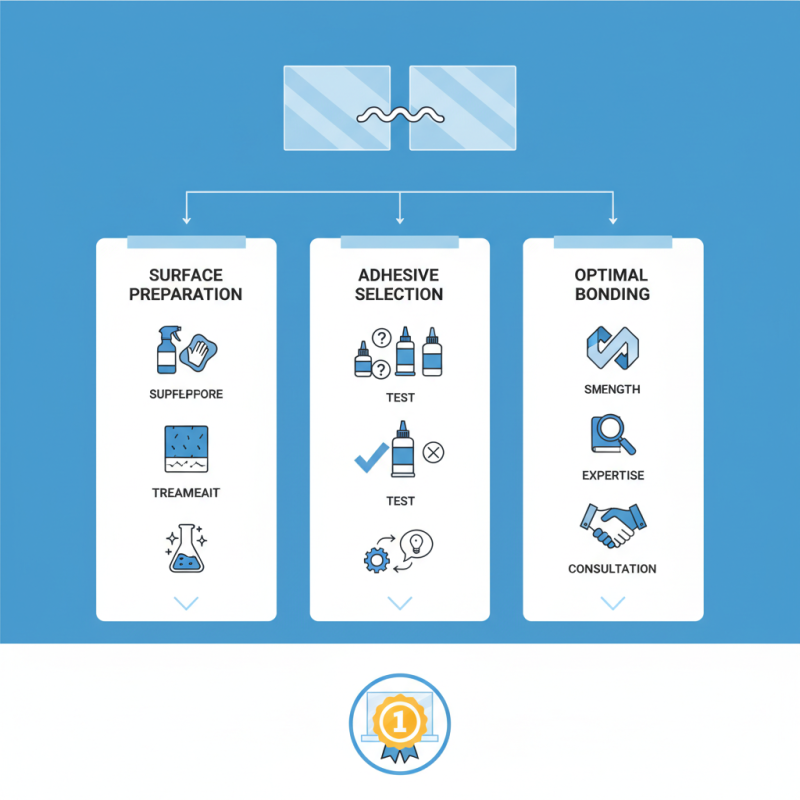
When learning how to bond PET sheets with industrial adhesives, one must consider surface preparation. This step greatly influences the bond's effectiveness. Cleaning, roughening, or treating the surface can enhance adhesion. Some adhesives may work better than others, depending on the specific application. However, not every adhesive will provide the desired results. Testing different options is often necessary.

Expertise in this area is vital. Manufacturers may find themselves struggling to achieve optimal results without proper knowledge. This can lead to frustration and wasted resources. Observing industry best practices and consulting reputable sources can help improve bonding techniques. Ultimately, a thorough understanding of the materials and adhesives will lead to better outcomes in bonding PET sheets.
How to Effectively Bond PET Sheets with Industrial Adhesives?

Understanding the Properties of PET Sheets for Adhesive Bonding

Polyethylene terephthalate (PET) sheets are widely used for various applications due to their excellent durability and lightweight properties. To effectively bond PET sheets with industrial adhesives, understanding the material's characteristics is crucial. PET is known for its resistance to impact, moisture, and chemicals. According to a report by the American Chemical Society, PET sheets can have a tensile strength ranging from 60 to 75 MPa. This high strength can influence the choice of adhesive and bonding process.

The surface of PET sheets can present challenges for bonding. Its low surface energy means conventional adhesives may not adhere well. Research by the Society of Plastics Engineers highlights that surface treatments, such as Corona discharge or plasma treatment, can enhance adhesion. These processes can elevate the surface energy, allowing for better interaction with adhesives. However, these methods require precision and may lead to inconsistencies if not executed correctly.

Temperature plays a significant role in adhesive effectiveness. Studies indicate that bonding at elevated temperatures can improve adhesion strength. Temperatures above 70°C can enhance molecular interaction but can also lead to distortion in PET sheets. This invites careful consideration during the bonding process. Even though there are various adhesives available, achieving reliable bonds relies significantly on understanding PET’s properties and the conditions under which bonding occurs. Balancing these factors can be complex and requires experience and meticulous testing.

Types of Industrial Adhesives Suitable for PET Bonding

When bonding PET sheets, choosing the right industrial adhesive is crucial. Several types are suitable for this purpose. Solvent-based adhesives provide strong bonds but may emit harmful fumes. Make sure to use them in well-ventilated areas. Hot-melt adhesives offer a quick bonding solution. They are easier to apply and set rapidly. However, they may not work well under high temperatures.

Acrylic adhesives are another option. They can bond PET sheets effectively and are known for their durability. Their clarity is beneficial for transparent projects. Remember to prepare the surface well before applying any adhesive. Clean the PET sheets thoroughly to remove dust and grease. This step is often overlooked but is vital for a strong bond.

Tips: Always conduct a small test patch before full application. This helps ensure compatibility between the adhesive and PET. If bubbles appear during bonding, it may indicate improper application. Address these issues early for better results.

Surface Preparation Techniques for Enhanced Adhesive Performance

When working with PET sheets, surface preparation is crucial for achieving strong adhesive bonds. Proper cleaning is the first step. Dust, grease, or moisture can hinder adhesion. Use isopropyl alcohol or a mild detergent to clean the surface thoroughly. Ensure the surface is completely dry before applying any adhesive.

Another technique to consider is surface roughening. This can be achieved through sanding or using abrasives. Creating a textured surface increases the surface area for the adhesive to bond. However, be cautious; excessive roughening can weaken the sheet. Test small areas before proceeding.

Tips: Always wear protective gear when working with chemicals or abrasives. It's wise to test your adhesive choice on scrap PET sheets first. This can help in assessing bond strength and performance. Remember, preparation is key to successful bonding. Take your time with these steps; rushing can lead to inadequate results.

How to Effectively Bond PET Sheets with Industrial Adhesives? - Surface Preparation Techniques for Enhanced Adhesive Performance

Surface Preparation Technique Description Benefits Recommended Adhesive Type
Cleaning Remove dirt, grease, and contaminants. Improves adhesion by ensuring a clean surface. Solvent-based adhesives
Surface Roughening Mechanical or chemical methods to increase surface area. Enhances mechanical interlocking with adhesives. Polyurethane adhesives
Priming Applying a primer to improve bond strength. Increases adhesion performance and durability. Epoxy adhesives
Heating Applying controlled heat to enhance adhesion. Promotes better flow and cure of adhesives. Thermal-setting adhesives

Guidelines for Application and Curing of Adhesives with PET Sheets

When bonding PET sheets with industrial adhesives, understanding the curing process is vital. Different adhesives have specific application parameters. It's crucial to follow the manufacturer's guidelines closely. Variations in temperature and humidity can affect bonding quality. A controlled environment often leads to better results. For instance, high humidity can cause slower curing times.

Application techniques also matter greatly. Surface preparation is essential before applying adhesives. Clean the PET sheets thoroughly to remove contaminants. Even minor residues can weaken the bond. Applying the adhesive evenly promotes uniform curing. However, achieving perfect consistency can be challenging. Practicing application methods can lead to improved outcomes over time.

Observation during the curing phase is equally important. Watch for signs of incomplete curing, such as tackiness or uneven surfaces. Adjust the curing time based on environmental conditions. Continuous learning from each project will enhance your bonding skills. Every experience adds valuable insights to refine your technique and achieve optimal results.

Adhesive Strength of Different Industrial Adhesives on PET Sheets

This chart illustrates the adhesive strength of various industrial adhesives applied on PET sheets. The data reflects the performance of each adhesive in terms of bonding effectiveness, measured in N/mm². Proper selection and application of these adhesives are crucial for achieving optimal bonding results with PET sheets.

Testing and Quality Assurance for Bond Strength in PET Applications

Testing and quality assurance play a crucial role in bond strength for PET applications. When bonding PET sheets with industrial adhesives, the bond strength must be reliable. Inconsistent bonding can lead to product failure, which can be costly and frustrating. Regular testing is essential to identify any weaknesses in the bond. It helps ensure that the adhesives used are suitable for the materials involved.

Different testing methods are available to evaluate bond strength. Peel tests and tensile tests can provide insights into how well the adhesive is performing. Monitoring environmental conditions during these tests is also vital. Temperature and humidity can affect bond strength significantly. Each application may require different testing parameters, and adjustments may be necessary over time.

Achieving consistent bond strength can be challenging. Variations in surface preparation can lead to different outcomes. Some PET sheets may not bond well due to residues or imperfections. Addressing these inconsistencies is important. Regular training for operators on best practices can enhance bonding quality. Collecting and analyzing data from tests can also highlight trends and potential issues.

FAQS

: What are the key properties of PET sheets?

: PET sheets are durable and lightweight. They resist impact, moisture, and chemicals. Their tensile strength ranges from 60 to 75 MPa.

Why is surface preparation important for bonding PET sheets?

Proper surface preparation enhances adhesive bonding. Contaminants like dust and moisture can weaken adhesion.

What cleaning methods are recommended for PET sheets?

Use isopropyl alcohol or mild detergent to clean. Ensure surfaces are completely dry before applying adhesives.

How can surface roughening improve adhesion?

Creating a textured surface increases bonding area. However, excessive roughening can weaken the material.

What should I observe during the adhesive curing phase?

Look for signs of tackiness or uneven surfaces. Adjust curing time based on conditions for best results.

How do temperature and humidity affect adhesive bonding?

Elevated temperatures can enhance bonding strength. High humidity might slow curing times, impacting quality.

What practices can help achieve better adhesive application?

Apply adhesives evenly and practice methods regularly. Small tests can help assess bond strength on scrap materials.

What are the risks of rushing the bonding process?

Rushing can lead to inadequate surface preparation and weakened bonds. Take time for each step.

What kinds of surface treatments improve adhesion on PET sheets?

Techniques like Corona discharge or plasma treatment raise surface energy. They require precision to avoid inconsistencies.

How does experience affect adhesive bonding outcomes?

Continuous learning from each project helps refine techniques. Each experience provides insights for improvement.

Conclusion

This article provides a comprehensive guide on how to bond PET sheets with industrial adhesives effectively. It begins by exploring the essential properties of PET sheets that influence adhesive bonding, ensuring that readers understand the material's characteristics before proceeding. The article then discusses various types of industrial adhesives that are particularly suitable for bonding PET, highlighting their unique features and benefits.

In addition to adhesive selection, the article emphasizes the importance of surface preparation techniques to enhance adhesive performance. Detailed guidelines are provided for the application and curing processes, ensuring optimal bond strength. Finally, the article addresses testing and quality assurance measures to evaluate bond strength in PET applications, providing a thorough approach to achieving reliable and durable bonds in industrial settings.

Isabella

Isabella

Isabella is a dedicated marketing professional with a sharp focus on driving brand growth and engagement through strategic content creation. With an extensive background in digital marketing, she combines her passion for storytelling with her keen understanding of industry trends to deliver......