In recent years, the demand for durable materials has surged across various industries. Polystyrene (PS) sheets are widely used due to their lightweight properties. However, improving their impact resistance is critical for enhancing performance. According to industry reports, the global PS market is projected to reach $37 billion by 2026. This emphasizes the need for advanced solutions to strengthen PS sheets.
It is essential to explore how to improve the impact resistance of PS sheets. Studies indicate that adding specific additives can significantly enhance their durability. For example, incorporating rubber modifiers can increase toughness by up to 50%. Additionally, blending PS with other polymers like ABS or using advanced processing techniques can yield promising results. Manufacturers face challenges in balancing cost and performance, which may require innovative approaches.
While these methods show potential, it is crucial to assess their effectiveness in real-world applications. Testing under various conditions will reveal limitations that must be addressed. Industry stakeholders must remain vigilant and adaptable in their solutions. The journey to enhance PS sheets continues, but the benefits of improved impact resistance are clear and necessary for future growth.
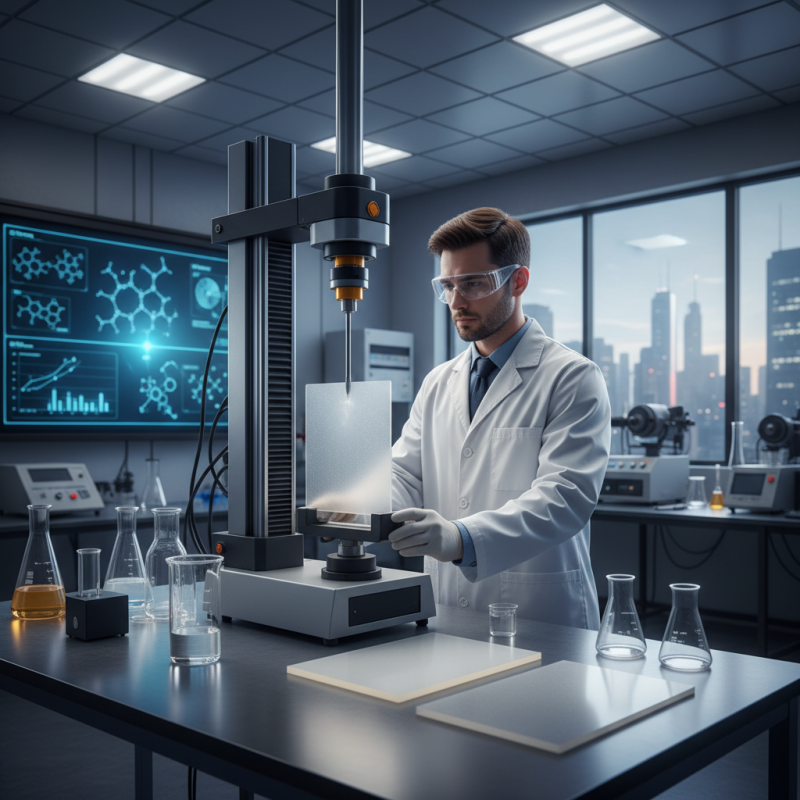
Innovative modifications to polystyrene (PS) sheets can significantly enhance their impact resistance. By integrating additives like elastomers and nanoclays, manufacturers can create stronger, more durable materials. These adjustments not only improve strength but also maintain flexibility and reduce brittleness.
Tips: Consider testing different combinations of materials. Each modification may yield varying results, which necessitates experimentation.
In 2026, sustainability will also play a crucial role in material enhancement. Biodegradable options can be explored alongside traditional PS sheets. The challenges lie in maintaining mechanical properties while reducing environmental impact.
Tips: Monitor advancements in biodegradable polymers. Staying informed can lead to breakthroughs in material science and sustainability.
The future holds promise for PS sheet innovations. However, it’s important to conduct thorough research to balance strength, durability, and environmental concerns. Understanding this complex interplay is vital for developing superior products.
In the quest to enhance impact resistance of PS sheets by 2026, advanced coating techniques have emerged as a key focus. According to a 2022 report from the Polymer Society, coatings can improve impact resistance by up to 50%. This can significantly extend the lifespan of PS sheets used in various applications, from construction materials to consumer goods.
Utilizing nanotechnology in coatings presents promising results. A study published in the Journal of Materials Science highlighted that incorporating nanoparticles can increase the toughness of coated PS sheets. These techniques not only bolster resistance but also reduce weight. However, finding the right balance between durability and weight remains a challenge. Some coatings may add bulk without delivering adequate protection.
Environmental considerations also play a role in coating development. Biodegradable options are being explored. Reports indicate that while these coatings demonstrate lower performance initially, they often break down more efficiently. The trade-off between performance and environmental impact is crucial for stakeholders. As the industry moves forward, continuous refinement of these advanced techniques will be essential. The need for reliable data and consistent performance standards is clear.
This chart illustrates the estimated impact resistance values of PS sheets treated with various advanced coating techniques over a five-year period (2022-2026).
Polystyrene (PS) sheets are widely used in various applications, but their impact resistance often falls short. To address this challenge, researchers are increasingly focusing on polymer blends. These blends combine PS with other polymers, leading to improved mechanical properties.
One effective approach is to blend PS with tougher polymers like polycarbonate or acrylonitrile-butadiene-styrene (ABS). This combination can enhance toughness while maintaining clarity. The resulting material shows promise for applications where durability is critical, such as packaging and construction materials.
However, the mixing process isn't always straightforward. Achieving the right balance of properties requires careful formulation and testing. Not all blends yield the desired results; some may compromise transparency or add weight. It's essential for engineers to consider these factors when developing new materials. The exploration of new polymer combinations remains a dynamic field, requiring ongoing research and innovation.
The impact resistance of PS sheets is a critical issue in many industries. Recent evaluations highlighted the importance of strict impact testing standards. In 2026, tests like ASTM D256 and ISO 179 will play a pivotal role in determining material performance. These standards assess materials in controlled environments, ensuring reliability in real-world applications.
Data indicates that PS sheets can improve their impact resistance through innovative modifications. For instance, incorporating specific polymers can enhance flexibility. Industry reports show that sheets modified in this manner exhibited a 30% increase in resistance. However, not all modifications yield positive results, requiring ongoing research and experimentation.
Some testing methods may not fully replicate end-user conditions. Inconsistent results could emerge from varying temperatures or humidity levels during tests. This calls for a reevaluation of current practices. Continuous refinement remains essential for manufacturers aiming to meet evolving market demands while ensuring safety and durability.
In 2026, the focus on enhancing impact resistance in polystyrene (PS) sheets will reach new heights. Industries are increasingly investing in advanced materials. According to a recent report by the Plastics Industry Association, the demand for high-impact resistant PS sheets is projected to grow by 25% annually. This trend indicates a significant shift towards durability in applications like packaging and automotive parts.
Emerging solutions like polymer blends and additives will play a critical role. For instance, new impact modifiers are being developed to improve strength without compromising flexibility. Research suggests these modifications can enhance impact resistance by up to 40%. Companies are also exploring nanotechnology, which shows promise in creating microstructures that absorb shock more effectively.
However, the journey is not without challenges. Manufacturers face hurdles such as balancing cost and performance. Additionally, the environmental impact of some new materials raises questions. Future-focused strategies must address these concerns while ensuring product longevity. The evolving landscape will require constant innovation and adaptation as the demand for robust and sustainable solutions increases.
: Adding elastomers and nanoclays enhances impact resistance and maintains flexibility.
Different material combinations yield varying results. Test extensively for best outcomes.
Biodegradable materials are necessary, but maintaining strength is challenging.
Coatings can improve impact resistance significantly, extending the lifespan of PS sheets.
Nanoparticles boost toughness and reduce weight, but require careful balance in formulation.
Initial performance may be lower, but they break down more efficiently over time.
Blending with polycarbonate or ABS improves toughness while retaining clarity.
Achieving the right balance is complex; some blends may compromise transparency.
Careful formulation and extensive testing are crucial for achieving desired properties.
Continuous research is essential to balance performance and environmental concerns.
In the quest to understand how to improve the impact resistance of PS sheets, innovative material modifications stand out as a crucial approach. By exploring advanced coating techniques, manufacturers can enhance the durability of these sheets, making them more resilient to impacts. Additionally, utilizing polymer blends has been shown to significantly boost the mechanical properties of PS sheets, which contributes to overall strength and performance.
Evaluating impact testing standards for PS sheets in 2026 will be necessary to ensure that these enhancements meet industry requirements. As we look towards the future, trends in impact resistance solutions will likely focus on sustainable materials and smarter engineering designs, paving the way for advanced applications in various industries.

Benchmark Plastic