What Is 100% Virgin PET and How to Identify It?

Time:2026-11-13 Author:Liam
0%

“100% virgin PET” sounds simple, but the claim cannot be confirmed by color or clarity alone. PET made from virgin feedstock can look much like recycled PET. A clear bottle is not proof. To understand how to identify 100% virgin PET material, check the evidence behind the resin, not merely the finished product.

Packaging researcher Dr. Susan Selke’s evidence-led approach can be paraphrased in one practical line: “A material claim needs records, not just appearance.” Treat that as a guide, not a verified direct quotation. Ask the supplier for resin specifications, batch documentation, and a certificate of analysis linked to the shipment. Compare those records with purchase orders and production records. For a closer check, a qualified laboratory can analyze a sample using methods such as spectroscopy and intrinsic-viscosity testing. These tests help characterize PET, but no single result can reliably prove virgin origin by itself. That limitation matters.

Look for consistent traceability from resin supplier to finished product. Check whether documents name the grade, batch, and manufacturing site. Be cautious when a seller offers only a label, a generic certificate, or a verbal assurance. Those details may be incomplete, even when the product looks flawless. A careful assessment combines documentation, supplier history, and appropriate testing. The process can take more time than a quick visual check. It is still the more dependable route.
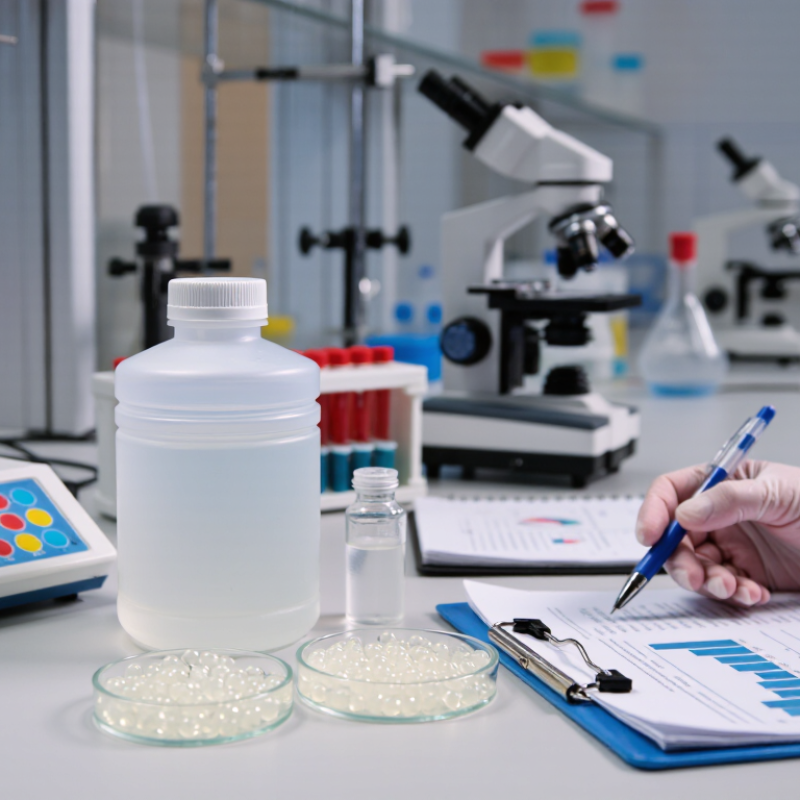
What Is 100% Virgin PET and How to Identify It?

What 100% Virgin PET Means

100% virgin PET means the PET resin was made from newly produced raw materials, not recycled PET. PET is formed from terephthalic acid and ethylene glycol. “Virgin” describes the resin’s feedstock history; it does not automatically mean the finished item contains no colorants or processing additives. That distinction matters.

PlasticsEurope reported 400.3 million tonnes of plastics production worldwide in 2022, with 90.6% based on fossil feedstocks (Plastics—The Fast Facts 2023). These figures cover all plastics, not PET alone, so they provide context rather than a PET-specific measure.

Appearance cannot verify virgin content. A clear bottle may contain recycled PET, while slight haze does not prove recycled content. Color and clarity are clues, not proof. For a practical check, request a written material specification, batch traceability, and a declaration stating whether recycled content is present. Compare those documents with the purchase order and resin grade. I would not rely on the word “virgin” on a sales sheet alone; definitions and documentation can be incomplete. Laboratory analysis may help characterize a sample, but PET’s chemical identity does not by itself reveal its feedstock history. The paper trail is usually the stronger evidence.

How Virgin PET Is Made from Raw Materials

Virgin PET is made from purified terephthalic acid (PTA) and monoethylene glycol (MEG), rather than recovered plastic. These raw materials react in controlled stages. Heat helps form intermediate compounds, then further processing links them into long PET polymer chains. The molten material is filtered, extruded into thin strands, cooled, and chopped into small pellets. Clean, dry pellets matter. Moisture can affect processing and resin quality, so manufacturers monitor drying, temperature, and contamination. The details vary by production line, and a neat-looking pellet alone proves little.

Tips: Ask for traceable batch records and a resin specification. Check that documents identify virgin feedstock, not simply “PET.” If the claim matters for a project, independent testing can add useful evidence. Paperwork may still leave gaps.

Virgin PET can look clear and uniform, but recycled PET can look similar after processing. Appearance is not a dependable test. Look for consistent supplier documentation, production records, and test results that match the specific batch. “Virgin” describes the material’s feedstock history; it does not automatically confirm suitability for every use. Verification takes more than a quick visual check.

Key Properties of Virgin PET

Virgin PET is made from newly produced resin, but its key properties are not unique fingerprints. Recycled PET can share the same basic chemistry. PET Resin Association technical data puts PET density at about 1.38 g/cm³ and its melting point near 260°C. These figures help describe the material, not prove its origin.

In a clear bottle preform, PET often feels hard and smooth, with a glass-like shine. It combines useful strength with low weight. It also provides a practical barrier to gases and moisture, though performance depends on the product, wall thickness, and package design. PET absorbs moisture during storage, so processors dry resin before molding. Poor drying can cause polymer degradation and weaker parts. Small details matter.

Virgin resin can look consistently clear, but appearance alone is weak evidence. Colorants, processing conditions, and recycled content can all affect clarity. A reliable identification check pairs supplier traceability and batch records with laboratory testing, such as intrinsic-viscosity measurement and contaminant screening. Still, test results need interpretation: a single property cannot reliably distinguish virgin from recycled PET. That limitation is easy to overlook.

What Is 100% Virgin PET and How to Identify It? — Key Properties of Virgin PET

Virgin PET is PET resin made from raw materials rather than recovered post-consumer or post-industrial PET. Its typical thermal transition ranges are shown below; actual values vary by grade and test method. These properties can help screen a material, but they cannot by themselves prove it is virgin. Check traceability and supplier documentation, and use appropriate laboratory testing when verification is needed.

How to Check Labels and Supplier Documents

What Is 100% Virgin PET and How to Identify It?

How to Check Labels and Supplier Documents

A label reading “100% virgin PET” is a claim, not proof. Check the product specification and exact material description: PET resin, not vague terms like “food-grade plastic.” Ask whether the claim covers the whole article, only its body, or one layer in a multilayer structure. Small print matters.

Request a lot-specific certificate of analysis, technical data sheet, invoice, and written declaration stating that the supplied resin contains no recycled PET. Match grade and lot numbers across documents. Check dates and the scope of each declaration. A generic certificate may be genuine but not shipment-specific. That gap matters.

NAPCOR’s 2023 PET Recycling Report reported a 29.1% U.S. PET bottle recycling rate for 2022. That figure gives sector context, not evidence about an individual batch.

Request traceability records and retain samples for larger purchases. If documents conflict, pause and ask for clarification in writing.

I would not rely on appearance alone; virgin and recycled PET can look alike. Paper trails can also be incomplete.

Tests Used to Identify Virgin PET

Tests Used to Identify Virgin PET

No single quick test can prove that PET is 100% virgin. Virgin and recycled PET can share the same basic chemical structure. FTIR spectroscopy can confirm that a sample is PET, but it usually cannot show its full processing history. Differential scanning calorimetry can compare melting behavior, while intrinsic viscosity testing measures polymer-chain condition. These results may reveal differences, not prove virgin content. Appearance is a weak clue. Clear flakes can still come from recycled material.

Tips: Request batch records and a documented chain of custody. For a lab check, compare sealed samples with a trusted virgin-PET reference. Ask the laboratory to explain what each result can and cannot establish. Keep samples sealed. Small handling errors can affect results.

A practical assessment combines supplier documentation with laboratory testing. Inspect pellets for consistent size, color, and dust, then record the batch and sampling method. Use FTIR to verify polymer identity, and consider intrinsic viscosity or thermal analysis for quality comparisons. If recycled content must be excluded, traceability and independent process audits matter more than one instrument reading. Even careful testing has limits; mixed batches and processing history can complicate interpretation. I would treat an unusually perfect-looking sample with caution, not as proof.

FAQS

What does “virgin PET” mean?

It means the PET was made from raw feedstock, not recovered plastic. The label alone is not proof.

How is virgin PET made?

Purified terephthalic acid and monoethylene glycol react in controlled stages. Heat helps form long polymer chains, which are filtered, cooled, and chopped into pellets.

Can appearance show whether PET is virgin?

No. Virgin and recycled PET can look equally clear and uniform. Looks can mislead.

What supplier documents should I request?

Ask for a lot-specific certificate of analysis, technical data sheet, invoice, and written declaration. Match the grade and lot numbers across them.

Does a “100% virgin PET” label prove the whole product is virgin?

Not necessarily. Check whether the claim covers the entire item, one part, or just one layer. Small print matters.

Can FTIR testing prove PET is virgin?

FTIR can help confirm that a sample is PET. It usually cannot establish the material’s full processing history.

What other tests can help assess PET quality?

Thermal analysis can compare melting behavior, while intrinsic viscosity testing assesses polymer-chain condition. These tests show differences, not definite proof of virgin content.

How should I handle samples or conflicting documents?

Keep samples sealed and record the batch and sampling method. If records conflict, pause and ask for clarification in writing. Paperwork can still have gaps.

Conclusion

This article explains what 100% virgin PET means: polyethylene terephthalate made entirely from newly produced raw materials, rather than containing recycled PET. It describes how virgin PET is manufactured and outlines the characteristics that may help distinguish it, such as consistent appearance, clarity, and material performance. These properties can vary depending on the product and processing conditions, so appearance alone should not be treated as proof of origin.

To understand how to identify 100% virgin PET material, readers can review product labels and request supplier documents that state the material composition and production details. The article also introduces tests that can help assess PET’s identity and composition. Because no single visual check or document necessarily provides a complete answer, comparing several sources of information and, when needed, using appropriate testing offers a more reliable way to evaluate a material.

Liam

Liam

Liam is a dedicated marketing professional with a profound expertise in the industry, where he excels at highlighting the unique advantages of our core products. With a keen understanding of market trends and consumer needs, Liam frequently updates our company’s professional blog, providing......