Why Is It Important to Identify 100% Virgin PET Material?

Time:2026-06-19 Author:Aria
0%

Identifying 100% virgin PET material is crucial in today's manufacturing and recycling industries. The demand for high-quality materials is rising. Ensuring the integrity of these materials affects product safety and performance. Knowing how to identify 100% virgin PET material protects brands and consumers alike.

The process of recognizing virgin PET involves several steps. Visual inspections can reveal clarity and lack of contaminants. Tests for melting point and density are also instrumental. However, these methods are often not foolproof. Not every piece of material meets the required standards. This uncertainty raises questions about sourcing practices.

Understanding the significance of 100% virgin PET material aids in developing sustainable approaches. It encourages the use of materials that meet stringent quality requirements. Companies may face challenges in complying with these standards. Nonetheless, investing in proper identification methods fosters reliability in product manufacturing. This dedication is vital for brand reputation and consumer trust.
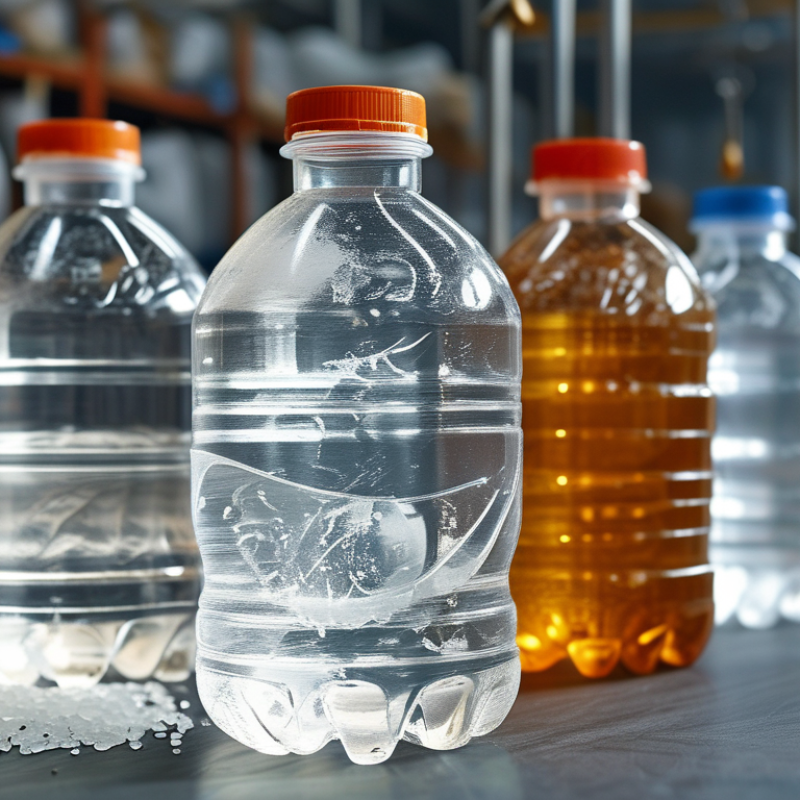
Why Is It Important to Identify 100% Virgin PET Material?

Importance of Understanding Virgin PET Material

Understanding virgin PET material is crucial for multiple reasons. According to a report by the National Recycling Coalition, virgin PET (polyethylene terephthalate) has unique properties that recycled options often lack. For example, virgin PET demonstrates superior clarity and strength, which are vital for packaging applications. In 2021, the global consumption of virgin PET reached over over 35 million tons, emphasizing its significance in various industries.

The differentiation between virgin and recycled PET is essential. A study from the European PET Bottle Platform highlighted that using 100% virgin PET can enhance the performance of food-grade packaging, ensuring safety and quality. Yet, the understanding of its environmental impact invites scrutiny. While virgin PET is effective, its production is energy-intensive. Reports indicate that creating one ton of virgin PET can emit around 3 tons of CO2. Acknowledging these factors is essential for a balanced view of sustainability and consumer safety.

Overall, recognizing the importance of virgin PET can guide decision-making in manufacturing and waste management. As industries pivot towards sustainability, an informed approach to material selection is critical. Balancing performance and environmental impact is a challenge many companies face today.

Defining 100% Virgin PET and Its Characteristics

100% Virgin PET, or polyethylene terephthalate, is a material derived from pure, unprocessed plastic. This material is crucial in various applications, especially in packaging products. Identifying 100% Virgin PET allows manufacturers to ensure quality. It offers higher durability and better performance compared to recycled or blended options.

The characteristics of 100% Virgin PET include excellent clarity and strength. It is resistant to impact and dimensionally stable. However, it’s important to note that not all products labeled as virgin are created equal. Variations in production processes may affect the final product. This can lead to inconsistencies in quality. Quality control measures are essential.

Utilizing 100% Virgin PET promotes sustainability. While it may appear to contradict eco-friendly practices, it can reduce waste from faulty materials. There’s a debate on recycling versus using virgin materials. Identifying the right resource is key to balancing performance and environmental impact. Each choice carries responsibility. Reflecting on these aspects can lead to better decision-making in material sourcing.

Environmental Impact of Using Virgin Versus Recycled PET

The environmental impact of using virgin versus recycled PET is substantial. Virgin PET production is energy-intensive. Reports indicate that it can generate up to 1.8 kg of CO2 for every kilogram produced. In contrast, recycled PET reduces this carbon footprint significantly, minimizing energy use by roughly 70%. This change can lead to a much lower environmental toll.

However, while recycled PET offers benefits, it is not without challenges. Recycling processes can degrade material quality. This degradation raises concerns about the application of recycled PET in food-grade products. The complexity of recycling infrastructure also limits collection rates. Only about 29% of PET bottles are recycled globally, leading to increased landfill use.

Tips for reducing your environmental impact: Prioritize products made from recycled materials. Advocate for better recycling policies within your community. Support innovations in textile recycling. Even small actions can create larger shifts toward sustainability.

Applications of 100% Virgin PET in Various Industries

100% Virgin PET (Polyethylene Terephthalate) is increasingly important across various industries. This material is renowned for its purity, strength, and durability. Applications can be seen in packaging, textiles, and even automotive components. In packaging, 100% Virgin PET is used for bottles and containers, ensuring product safety and longevity.

In the textile sector, Virgin PET fibers offer lightweight, strong garments that resist wrinkles and moisture. These textiles are essential for outdoor gear and sports apparel. In the automotive industry, components made from 100% Virgin PET contribute to lighter, more efficient vehicles. This helps manufacturers meet strict fuel efficiency standards.

Tips for selecting 100% Virgin PET: Always check supplier certifications to ensure material authenticity. Look for sustainability credentials, as responsibly sourced PET contributes to eco-friendly practices. Understanding the specific requirements for your application is crucial. It enhances product performance and longevity.

While Virgin PET offers many advantages, concerns about over-reliance on plastic still exist. We should reflect on the environmental impact and explore recycling options. Balancing benefits with sustainability is key for future innovations in all industries.

Why Is It Important to Identify 100% Virgin PET Material? - Applications of 100% Virgin PET in Various Industries

Industry Application Benefits of 100% Virgin PET
Food Packaging Bottles, containers, and wrappers for food products Enhanced safety and hygiene, preserves food quality
Textiles Fabrics for clothing and upholstery Durability, color retention, and comfort
Automotive Interior and exterior components Lightweight, strong, and resistant to chemicals
Consumer Electronics Casing and components for devices Excellent insulation properties and design flexibility
Medical Medical devices and packaging High purity, safety for medical applications
Building and Construction Insulation materials and durable components Energy efficiency and long-lasting performance

Consumer Awareness and Safety Concerns Related to PET Usage

Identifying 100% virgin PET material is crucial for consumer awareness and safety. The packaging industry is seeing a rise in demand for safe materials. Reports indicate that 70% of consumers are concerned about the safety of food packaging. Many still associate recycled PET with contamination risks. This concern is valid as studies show potential chemical leaching from inferior recycled products.
Using 100% virgin PET ensures that there are no unknown additives or contaminants. This integrity helps build consumer trust. According to research by the Plastics Industry Association, nearly 60% of consumers prefer products in virgin material. They believe it guarantees quality and safety. However, this preference can be seen as a lack of understanding of recycling processes. Education on how safe recycled PET can be is lacking.

Interestingly, consumer perceptions do not always align with scientific facts. Many research findings highlight the safety of properly processed recycled PET. Yet, public hesitation remains. Misconceptions about recycled materials create a divide that needs bridging. Addressing these misunderstandings is essential for promoting sustainable practices in packaging.

FAQS

: What is virgin PET material?

: Virgin PET, or polyethylene terephthalate, is a pure, unprocessed plastic material.

What are the benefits of using 100% virgin PET?

It offers better clarity, strength, and durability compared to recycled options.

Why is it important to differentiate between virgin and recycled PET?

Virgin PET enhances performance, especially in food-grade packaging, ensuring safety and quality.

Does the production of virgin PET impact the environment?

Yes, producing one ton of virgin PET emits around 3 tons of CO2, raising sustainability concerns.

Is all virgin PET of the same quality?

No, variations in production can lead to inconsistencies in quality, even among virgin products.

Can using virgin PET be considered sustainable?

It can reduce waste from faulty materials, though it’s essential to weigh environmental effects.

How much virgin PET is consumed globally?

In 2021, global consumption exceeded 35 million tons, indicating its significance.

What challenges do manufacturers face with material selection?

Balancing performance and environmental impact requires careful consideration and informed decisions.

Are there quality control measures for virgin PET?

Yes, quality control is essential to ensure consistency in the final product.

What should manufacturers reflect on when choosing materials?

Each choice carries responsibility, impacting both performance and the environment.

Conclusion

Identifying 100% virgin PET material is crucial for various industries due to its distinct characteristics and performance benefits. Virgin PET, which is derived from petrochemical sources without blending with recycled materials, ensures superior quality and consistency. Understanding how to identify 100% virgin PET material helps consumers and manufacturers make informed choices, especially when evaluating environmental impacts. Using virgin PET typically results in a lower carbon footprint compared to recycled alternatives, contributing to sustainability efforts.

Moreover, the applications of 100% virgin PET span multiple sectors, including packaging, textiles, and electronics, where high purity and safety standards are paramount. As consumer awareness around sustainability and safety concerns rises, recognizing the importance of using virgin PET material becomes essential. This knowledge empowers stakeholders to better assess the material's suitability for specific purposes, ensuring both quality and environmental responsibility in their decisions.

Aria

Aria

Aria is a dedicated marketing professional with a deep passion for innovative strategies and a keen understanding of our company's product offerings. With a wealth of experience in the industry, Aria excels at crafting engaging content that highlights the unique features and benefits of our......