Understanding the melting point of different plastic sheets is crucial for multiple industries. Dr. Emily Carter, a materials science expert, emphasizes, "Knowing the melting point helps in selecting the right plastics for specific applications." Various plastic types have distinct melting points, impacting their suitability for diverse uses.
Common plastic sheets like polyethylene and polycarbonate demonstrate varying thermal behaviors. Polyethylene typically melts around 120°C to 130°C, making it ideal for moderate heat applications. Conversely, polycarbonate can withstand higher temperatures, melting between 145°C and 155°C. Such differences are critical for engineers and designers.
However, many people overlook the importance of these details. Misunderstanding these melting points can lead to improper material usage. It's essential to consult reliable sources or experts. By doing so, one can ensure that the right plastic sheet is chosen for the right job. Thus, understanding "what is the melting point of different plastic sheets" is more than just a technicality; it’s a necessity for quality and safety in manufacturing.
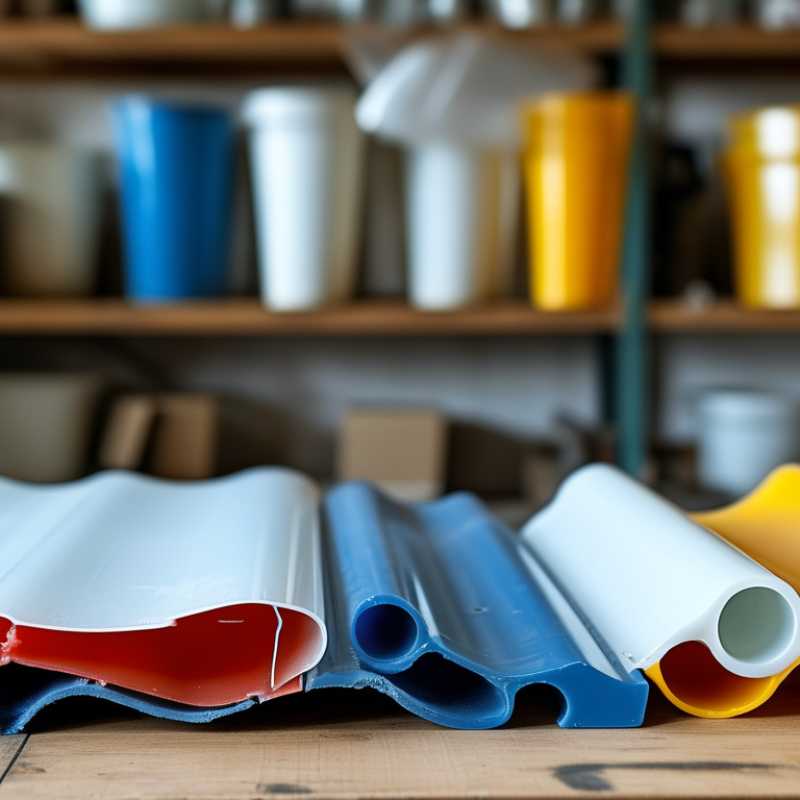
Overview of Common Plastic Sheet Materials
Plastic sheets are widely used in various applications. Different types of plastic sheets have unique properties. Understanding these materials helps in making better choices for specific needs.
Acrylic, often clear and lightweight, has a melting point around 160°C (320°F). It is known for its transparency and strength. Polycarbonate is another popular choice, melting at approximately 270°C (518°F). This material is tough and impact-resistant, making it suitable for demanding environments. PVC sheets, commonly used in construction and signmaking, have a lower melting point of about 75°C (167°F). They are versatile but can warp in high heat.
Each plastic type comes with its own limitations. For instance, acrylic can scratch easily, despite its strengths. Similarly, while polycarbonate is durable, it can be expensive. It’s important to consider the application carefully. Sometimes, a lower-cost option might suffice, even if it has a lower melting point. Evaluating the specific requirements will lead to a more effective choice.
What Is the Melting Point of Common Plastic Sheets?
| Material |
Melting Point (°C) |
Common Uses |
| Polyethylene (PE) |
120-130 |
Packaging, Bottles, Plastic Bags |
| Polypropylene (PP) |
160-170 |
Food Containers, Automotive Parts |
| Polyvinyl Chloride (PVC) |
75-85 |
Pipes, Electrical Cables |
| Acrylic (PMMA) |
160-190 |
Displays, Signage, Windows |
| Polycarbonate (PC) |
230-260 |
Safety Glass, Lenses |
| Nylon (PA) |
210-260 |
Ropes, Textiles, Gears |
Understanding Melting Points and Their Importance
Melting points play a crucial role in various applications of plastic sheets. Understanding how different types of plastics react to heat helps determine their suitability for specific tasks. Common plastics, such as polyethylene and polypropylene, have varying melting points that can influence their performance in different environments. For instance, polyethylene typically melts around 120-180°C, while polypropylene has a higher melting point of 160-170°C. These differences affect how they can be used in packaging, construction, and manufacturing processes.
Knowing the melting point is essential for safety and efficiency. If a plastic sheet is exposed to temperatures above its melting point, it can deform or release hazardous substances. Incorrect handling can lead to failures in critical applications. Often, users underestimate the temperature limits of the materials they work with, leading to unintended consequences. It’s vital to consider not just the melting temperature but also the surrounding conditions. Humidity and exposure to UV light can also impact the longevity and stability of plastic sheets.
The importance of these melting points can’t be overstated. For example, engineers must assess thermal properties when designing products. They need reliable data to ensure durability and safety. Relying on vague knowledge or assumptions about materials can hinder project success. Proper research and understanding of each plastic's thermal characteristics help avoid costly mistakes. By acknowledging the limitations and potential risks associated with plastics, professionals can make informed decisions that contribute to safer practices and better product design.
Melting Points of Common Plastic Sheets
Factors Influencing the Melting Points of Plastics
The melting points of common plastic sheets vary widely due to several influencing factors. One significant factor is the type of polymer used. For example, polyethylene typically melts around 120-130°C, whereas polyvinyl chloride (PVC) has a melting point closer to 75-105°C.
Understanding these differences helps in selecting the right plastic for applications involving heat exposure.
Another critical influence on melting points is the additives incorporated during production. Many plastics have stabilizers and fillers that can affect thermal properties. According to a report by the American Chemical Society, adding titanium dioxide can lower the melting point by approximately 10°C. This data illustrates the complex interactions in plastic manufacturing processes.
Processing conditions also play a role. Temperature and cooling rates during production can create variations in melting behavior. For instance, rapid cooling can lead to increased brittleness in some plastics. These nuances are important for engineers and designers who must anticipate the thermal limits of their materials. Understanding these factors ensures better performance and longevity in applications.
Comparison of Melting Points for Various Plastic Sheets
When exploring the melting points of common plastic sheets, a significant contrast emerges among various types.
Polyethylene, for instance, has a melting point ranging from 120°C to 130°C.
This range is largely due to its density. In contrast, polypropylene generally melts at a higher temperature, around 160°C.
These differences impact their applications, from packaging to structural uses.
Acrylonitrile butadiene styrene, or ABS, exhibits a melting point between 220°C and 230°C.
Its robustness makes it a popular choice for items requiring strength, though the melting point could be a limitation in high-temperature scenarios.
PVC has a more complex behavior, as it can soften significantly at lower temperatures, around 75°C to 100°C, depending on its formulation.
Understanding these varying melting points is crucial for designers and engineers.
The nuances in melting points can lead to challenges in processing and recycling plastic sheets.
Sometimes, you might not consider how these properties affect manufacturing methods.
Inconsistent heating during production can create defects.
It’s essential to weigh these factors when selecting plastic sheets for different projects.
Applications of Plastic Sheets Based on Melting Points
Plastic sheets serve diverse purposes, influenced significantly by their melting points. For example, polyethylene sheets melt between 120-130°C. This property makes them ideal for packaging products, as they can withstand moderate heat without compromising integrity. Often used in construction and agriculture, these sheets offer durability and flexibility.
Polypropylene, with a melting point of 160-170°C, plays a crucial role in manufacturing automotive parts. Its high melting point suits environments where heat resistance is vital. Additionally, polycarbonate sheets, with melting points around 150-160°C, find application in safety glazing and electrical components.
However, choosing the right plastic sheet requires thoughtful consideration. Other factors, such as thickness and tensile strength, should not be overlooked. Overlooking these can lead to ineffective applications and material failure. Each type of plastic has its specialized use, but careful selection is essential for optimal performance.
FAQS
: Acrylic, polycarbonate, PVC, polyethylene, and polypropylene are commonly used plastic sheets.
Acrylic sheets have a melting point around 160°C (320°F).
Polycarbonate is tough and impact-resistant, making it suitable for demanding environments.
PVC sheets can warp in high heat and have a lower melting point of about 75°C (167°F).
The melting point determines how heat-resistant a plastic sheet is, influencing its suitability for various tasks.
Yes, sometimes lower-cost options suffice, but careful evaluation is crucial to avoid material failure.
Yes, acrylic can scratch easily despite being strong and transparent.
Thickness impacts durability and application effectiveness, and should not be overlooked.
Polyethylene sheets withstand moderate heat, making them ideal for packaging products safely.
Each plastic type has its specialized use, and improper choice can lead to ineffective applications.
Conclusion
The article titled "What Is the Melting Point of Common Plastic Sheets?" provides a comprehensive overview of various plastic sheet materials and their respective melting points. It explains the significance of knowing melting points, particularly in determining the suitability of plastics for different applications, from packaging to construction. Factors influencing these melting points, such as the polymer structure and additives used, are also discussed, highlighting how variations can impact performance.
In comparing the melting points of various common plastic sheets, the article reveals crucial information for industries that rely on temperature resistance. By understanding what is the melting point of different plastic sheets, manufacturers and consumers can make informed choices that ensure the durability and effectiveness of their selected materials in real-world applications.

 Benchmark Plastic