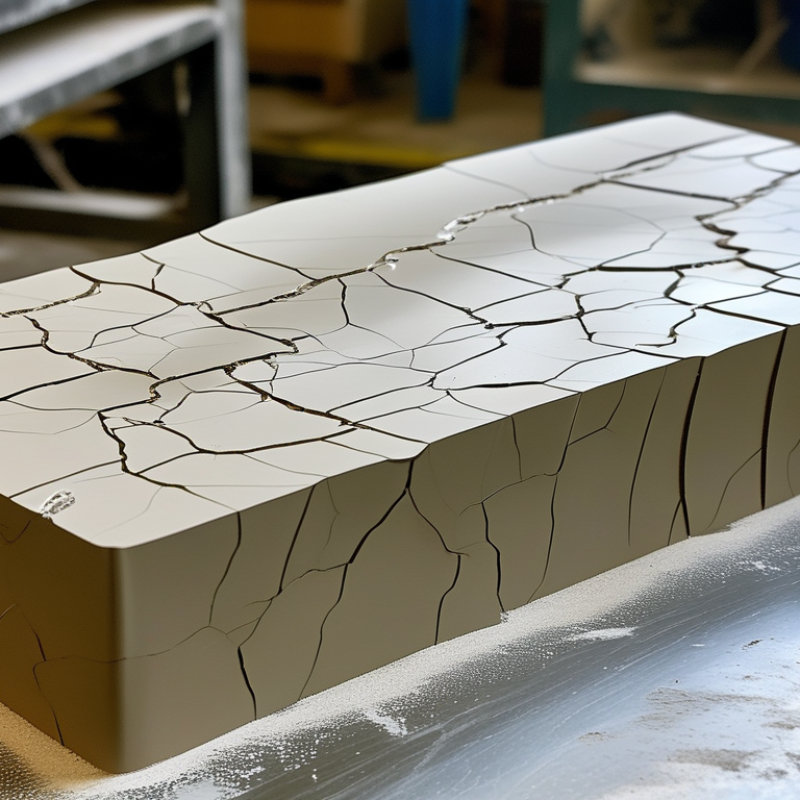
Vacuum forming is a popular manufacturing process, especially for PET sheets. However, a common issue arises: "Why is my PET sheet cracking during vacuum forming?" Expert John Smith, a renowned materials engineer, explains, "Cracking often results from temperature fluctuations and improper material handling."
When the PET sheet experiences uneven heating, it can become brittle. This brittleness leads to cracks during the forming process. Factors like cooling rates and sheet thickness play a crucial role. If not managed properly, these elements can lead to significant losses in production.
Moreover, environmental conditions can impact the material's integrity. Humidity and ambient temperature must be controlled to minimize risks. Identifying the cause of the cracking is essential for improvement. It may require a meticulous review of techniques and materials used. Addressing these issues can save time and resources, enhancing overall product quality.
Cracking in PET sheets during vacuum forming can stem from several common issues. One leading cause is improper temperature control. When the sheet is too hot, it becomes overly flexible. Conversely, if it’s too cool, it might not fully conform to the mold. This uneven temperature can lead to fractures as the material cools unevenly upon forming.
Another frequent issue is material quality. Low-quality PET sheets may have manufacturing defects. These defects can create weak points that show cracks during the forming process. Always source your materials from reliable suppliers. Check for a consistent thickness in the sheets. Variations can lead to unexpected cracking.
Tips: Regularly calibrate your heating equipment. This ensures even temperature distribution across the sheet. Using the right vacuum pressure is also crucial. High pressure might cause the material to stretch too thin, resulting in cracks. Always monitor your setup closely for any signs of inconsistencies; this will save time and reduce waste in production.
When vacuum forming PET sheets, proper heating techniques are crucial. Insufficient or uneven heating can lead to cracking. According to a study by the Society of Plastics Engineers, nearly 70% of production defects stem from inadequate processing techniques. These issues often arise from incorrect temperature settings or uneven heat distribution.
Heating PET sheets to the right temperature range, typically between 70°C to 90°C, is essential. At this temperature, PET is pliable yet retains its strength. Heating too rapidly can cause thermal stress, leading to structural failures. It's vital to monitor heating elements carefully. A monitoring system showing temperature variations can greatly help.
Additionally, the thickness of the PET sheet matters. Thicker sheets require more time to heat evenly. This unevenness can be detrimental, resulting in cracks or weak spots. Surveys indicate that over 40% of manufacturers overlook this crucial factor. Investing in even heating methods can reduce defects significantly, improving overall product quality.
When vacuum forming with PET sheets, cracks can often appear. The quality of the material plays a crucial role in determining durability. High-quality PET sheets are engineered to withstand stress during forming. According to a study by the Plastics Industry Association, nearly 30% of production issues stem from using subpar materials. This highlights how material choices directly impact performance.
To ensure optimal results, it is essential to assess the PET sheet's thickness and molecular orientation. Thicker sheets tend to offer better resistance to cracking. It's also worth noting that sheets with uniform thickness provide consistent heating and reduce the chances of defects. If your PET consistently cracks, reconsider your supplier and their quality standards.
Tip: Always request sample sheets before large orders. Test their flexibility and resilience through simple bending and stretching methods. Monitor how they perform under stress. This will save time and reduce waste in your production line. Another tip is to keep the forming temperature consistent. Sudden temperature changes can exacerbate issues with cracking.
When it comes to vacuum forming, mold design plays a crucial role in the quality of the final product. A poorly designed mold can lead to cracks in PET sheets. These cracks often occur due to uneven heating or inadequate suction during the forming process. When the sheet is not heated evenly, some areas may become too rigid, creating stress points. This uneven stress is a leading cause of cracking.
To improve your mold design, consider the following tips. Ensure that the mold has proper draft angles. This allows for easier removal of the formed sheet and reduces the risk of cracking. Smooth surface finishes on the mold also contribute to a uniform distribution of heat. An irregular surface may create hotspots, leading to weaknesses in the plastic.
Another aspect to consider is the air evacuation system. An effective vacuum system should remove air uniformly. Poor vacuum levels can create pockets, leading to inconsistencies in the formed sheet. Monitor the vacuum pressure closely. This helps maintain an even pull across the material. Small adjustments may be necessary to achieve optimal results. Evaluating your mold design and the vacuum forming setup can minimize defects and improve the quality of your plastic products.
Vacuum forming is a popular technique for shaping plastic materials like PET sheets. However, cracking often occurs during this process. Understanding the causes can help in developing effective prevention strategies. A recent industry report indicated that up to 30% of defective products are attributed to material inconsistencies during vacuum forming. This presents a significant concern for manufacturers.
One crucial factor is the temperature of the PET sheet before forming. The optimal temperature range is between 150°C to 180°C. If the sheet is too cool, it may not deform properly. Conversely, overheating can cause brittleness. Adjusting the temperature within this range can mitigate cracking. Additionally, ensuring adequate support during forming is vital. Insufficient backing can lead to uneven stresses on the material.
Another aspect to consider is the vacuum pressure. According to studies, high pressure can strain the material too much and induce cracks. Finding a balance in vacuum settings is key. Regular inspections and quality control of the materials used also play a role. Small discrepancies in thickness can lead to unexpected stresses. By carefully monitoring these variables, manufacturers can reduce the risk of PET sheet cracking significantly.
: Cracking can occur due to improper temperature control and low-quality materials.
If the sheet is too hot, it becomes flexible; if too cool, it won't conform well.
Low-quality sheets may have weak points, increasing the likelihood of cracks during forming.
Inconsistent thickness and visible defects can indicate poor material quality.
Regularly calibrate heating equipment and monitor temperature closely.
Finding a balance in vacuum pressure is key; high pressure may induce cracks.
Request samples and test their flexibility through bending and stretching.
The optimal temperature range is between 150°C to 180°C.
Sudden changes can exacerbate cracking issues during the forming process.
Regular inspections of material thickness and quality control are essential for success.
The issue of "why is my PET sheet cracking during vacuum forming" can be attributed to several common factors that affect the vacuum forming process. One major reason is inadequate heating techniques, which can lead to uneven temperature distribution and cause the material to become too brittle or improperly shaped. Additionally, the quality of the PET material itself plays a critical role, as lower-grade sheets may not withstand the stress of forming, leading to cracks.
Furthermore, mold design significantly impacts the outcomes of vacuum forming; intricate designs or poor alignment can introduce stress points that contribute to cracking. To mitigate these issues, it is essential to implement proper heating methods, ensure high-quality materials are used, and carefully design the molds to reduce stress on the PET sheets. By addressing these factors, manufacturers can effectively prevent cracking and enhance the durability of their vacuum-formed products.
Benchmark Plastic