Why Is My PP Sheet Warping After Cooling Tips to Fix It?

Time:2026-05-25 Author:Henry
0%

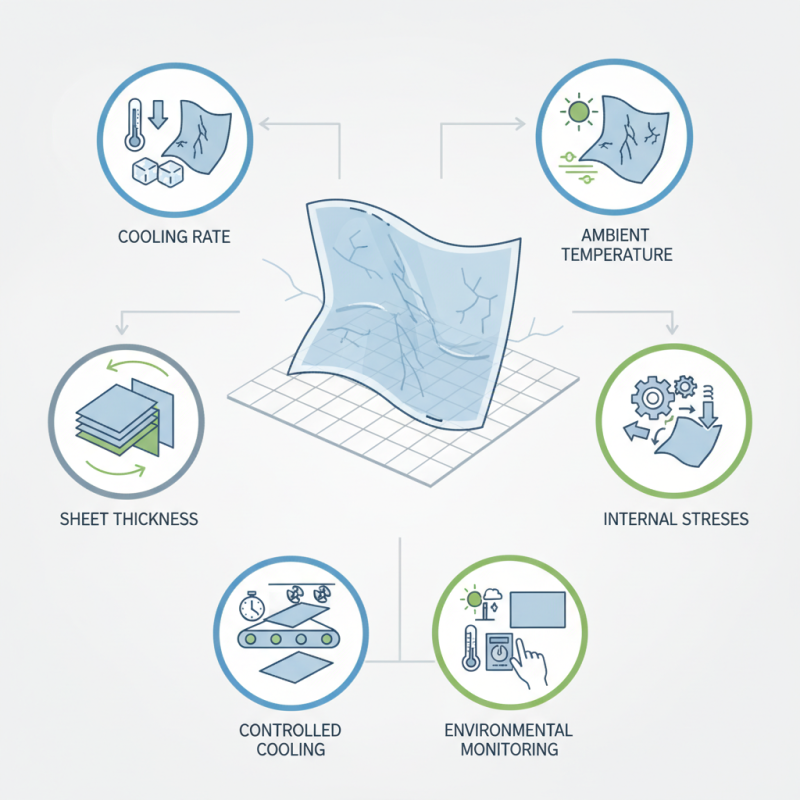
Understanding "why is my PP sheet warping after cooling" is crucial for manufacturers and hobbyists alike. Polypropylene (PP) sheets are popular due to their versatility and easy handling. However, warping can significantly impact the quality of your work. Factors like cooling rate, ambient temperature, and sheet thickness all play vital roles.

When PP sheets cool too quickly, they can develop internal stresses. This results in warping, twisting, or bending, leading to potential project failures. Proper knowledge of these factors can make a big difference. Inspect your cooling methods and the environment where you're working.

It's essential to acknowledge that even skilled technicians face challenges. Mistakes happen, and materials can behave unexpectedly. The goal is to learn and adapt your methods for better results. Through careful monitoring and adjustment, you'll be able to minimize issues in the future. So, let's explore possible solutions.
Why Is My PP Sheet Warping After Cooling Tips to Fix It?

Understanding PP Sheet Properties and Warping Issues

Polypropylene (PP) sheets are popular in various industries due to their durability and versatility. However, warping is a common issue that can disrupt production. Understanding the properties of PP is crucial. PP is a thermoplastic that expands and contracts significantly with temperature changes. It typically features a low coefficient of thermal expansion, around 0.1-0.2 mm/m°C. This means that, during cooling, even slight temperature shifts can lead to distortion.

Factors contributing to warping include improper cooling rates and uneven thickness. A study by the American Society for Testing and Materials indicates that uneven cooling can lead to internal stresses, resulting in warping. For instance, cooling a 3 mm thick sheet too quickly can create differential shrinkage across different areas. Additionally, inadequate support during the cooling process may exacerbate the problem.

To address warping, manufacturers should consider adjusting their cooling methods. Gradual cooling can help minimize stress on the material. Furthermore, ensuring an even thickness during production can significantly reduce the likelihood of warping. Although these methods are not foolproof, they have proven effective in many cases. Insights from industry reports suggest that approximately 30% of PP sheet warp issues could be mitigated with improved handling and processing techniques.

Common Causes of Warping in Cooling PP Sheets

When cooling polypropylene (PP) sheets, warping can be a common issue. Understanding the causes of this warping is crucial for effective management. One primary reason is uneven cooling. If certain areas cool faster than others, stress can build up. This unevenness can lead to warping, leaving the sheets distorted and unusable.

Another contributing factor is excess moisture on the sheets. If not dried properly, moisture can evaporate during cooling, creating pressure imbalances. This results in warping as the PP sheet tries to adjust to the temperature changes. Additionally, the temperature gradient between the cooling environment and the material can exacerbate these effects.

Improper handling during the cooling phase can also cause issues. Rough handling may lead to unintended stress points, resulting in warping. Regular checks for proper cooling conditions can help identify these problems earlier. Ensuring a controlled cooling environment can minimize warping risks.

Preventive Measures to Avoid Warping During the Cooling Process

Cooling is a critical phase in the production of PP sheets. If not managed correctly, warping can occur. To minimize this issue, understanding the cooling process is essential. Rapid cooling or uneven temperatures can lead to internal stresses. Such stresses cause distortions after the product has set. Always ensure that the cooling is gradual and uniform. This helps maintain the sheet’s integrity.

Using appropriate cooling equipment is necessary. Cooling fans and temperature-controlled chambers can provide even airflow. It might be tempting to cut corners, but this often backfires. Even slight variations in temperature can lead to significant warping. Don’t skip the inspection phase after cooling. Each sheet should be examined for warping, as this provides insights into the process’s effectiveness.

Monitoring ambient temperature can also aid in preventing warping. If the surrounding environment fluctuates too much, it can affect the cooling efficiency. Having a stable working area is beneficial. It helps achieve the best results. Paying attention to these details can greatly minimize the risk of warping in PP sheets. Sometimes, despite best efforts, warping occurs, prompting a need for reflection and adjustment in practices.

PP Sheet Warping Analysis

This chart illustrates the relationship between various factors that can affect the warping of PP sheets. The data shows how cooling rate, initial thickness, humidity, cooling duration, and warping severity correlate, providing helpful insights for preventive measures.

Tips and Techniques for Fixing Warped PP Sheets

Warped polypropylene (PP) sheets can be frustrating. Various factors contribute to this issue. Often, the warping occurs during cooling. If the cooling rate is uneven, stress builds up in the material. This stress leads to twists and bends over time.

To fix warped PP sheets, adjust your cooling method. Ensure even airflow around the sheets. Using a fan or cooling rack can help maintain a consistent temperature. Monitor the cooling time closely. Too quick or too slow can create problems.

If sheets are already warped, try reheating them gently. Use a heat gun on low settings to soften the material. Be cautious not to overheat, as this can worsen the issue. Once soft, carefully reshape the sheet. Place it under weight while it cools. This technique may not work perfectly every time, so some trial and error is necessary.

Why Is My PP Sheet Warping After Cooling Tips to Fix It? - Tips and Techniques for Fixing Warped PP Sheets

Potential Cause Description Fix
Uneven Cooling Rapid cooling can cause differential contraction, leading to warping. Implement a controlled cooling process.
Improper Thickness Variations in thickness can lead to uneven cooling and stress points. Ensure consistent thickness during production.
Environmental Factors Humidity and temperature changes can affect material behavior. Store sheets in a climate-controlled environment.
Insufficient Support Inadequate support can lead to sagging and warping. Use appropriate supports during cooling.
Material Quality Low-quality materials can warp more easily. Select high-quality polypropylene sheets.

Best Practices for Storing and Handling PP Sheets Post-Production

Proper storage and handling of PP sheets is vital to prevent warping after cooling. When these sheets are exposed to inconsistent temperatures or humidity, they may bend or twist. Post-production care plays an essential role in maintaining their integrity.

Tips to avoid warping include storing sheets flat in a dry, temperature-controlled environment. High humidity can cause moisture absorption. Wrap sheets in protective materials to shield them from dust and fluctuations. Also, be mindful of how you stack them; uneven pressure can lead to deformation.

Handling should be gentle. Avoid dragging sheets across surfaces. Use clean hands or gloves to prevent oils from your skin transferring to the surface. Even brief exposure to heat sources can cause problems. Check for signs of warping regularly. Address issues promptly to maintain quality. Attention to these details can help ensure your PP sheets remain flat and functional.

FAQS

: What is a critical phase in the production of PP sheets?

: The cooling process is crucial. Improper cooling can lead to warping.

How can warping be minimized during cooling?

Gradual and uniform cooling helps maintain the sheet’s integrity.

What equipment should be used for cooling?

Cooling fans and temperature-controlled chambers ensure even airflow and temperature.

Why is the inspection phase important after cooling?

Inspecting each sheet helps identify warping and assess the cooling process's effectiveness.

How does ambient temperature affect cooling?

Fluctuations in ambient temperature can reduce cooling efficiency, increasing warping risk.

What are best practices for storing PP sheets?

Store sheets flat in a dry, temperature-controlled environment to prevent warping.

What should you avoid when handling PP sheets?

Avoid dragging sheets or exposing them to heat sources.

How should sheets be wrapped during storage?

Wrap them in protective materials to guard against dust and temperature variations.

Why is gentle handling important for PP sheets?

Rough handling can lead to deformation and other issues.

What should you do if you notice signs of warping?

Address the issues promptly to maintain quality and functionality.

Conclusion

The article "Why Is My PP Sheet Warping After Cooling?" explores the properties of polypropylene (PP) sheets and the common warping issues that arise during the cooling process. It identifies several factors contributing to warping, such as uneven cooling rates, moisture absorption, and improper handling. To mitigate these problems, the article provides preventive measures during cooling, including maintaining consistent temperatures and using appropriate cooling techniques.

In addition, the article offers valuable tips and techniques for fixing warped PP sheets, such as reheating and reshaping methods. Lastly, it emphasizes the importance of best practices for storing and handling PP sheets after production to prevent future warping. By understanding the causes and solutions to "why is my PP sheet warping after cooling," users can ensure better stability and longevity of their polypropylene materials.

Henry

Henry

Henry is a dedicated marketing professional with a profound expertise in the company's offerings. With years of experience in the industry, he possesses an impressive understanding of the market dynamics and consumer behaviors that drive success. Henry is committed to sharing his insights through......