Proper storage of plastic rolls is crucial to avoid moisture damage. The effects of moisture can lead to reduced quality and integrity of plastic materials. According to a report from the Plastics Industry Association, 30% of plastic product failures are attributed to improper storage, highlighting the need for best practices in handling these materials.
"How to store plastic rolls to prevent moisture absorption" is central to maintaining their quality. Expert Mark Peterman advises, "Always store plastic rolls in a controlled environment." This emphasizes the importance of managing humidity and temperature. Plastic rolls should be kept in a dry area, away from direct sunlight.
Using moisture-absorbing desiccants can help maintain the required humidity levels. It's essential to regularly check the storage environment. Implementing these measures can greatly reduce the risk of damage. Remember, overlooking these details can lead to costly mistakes. A proactive approach is better than dealing with the consequences later.
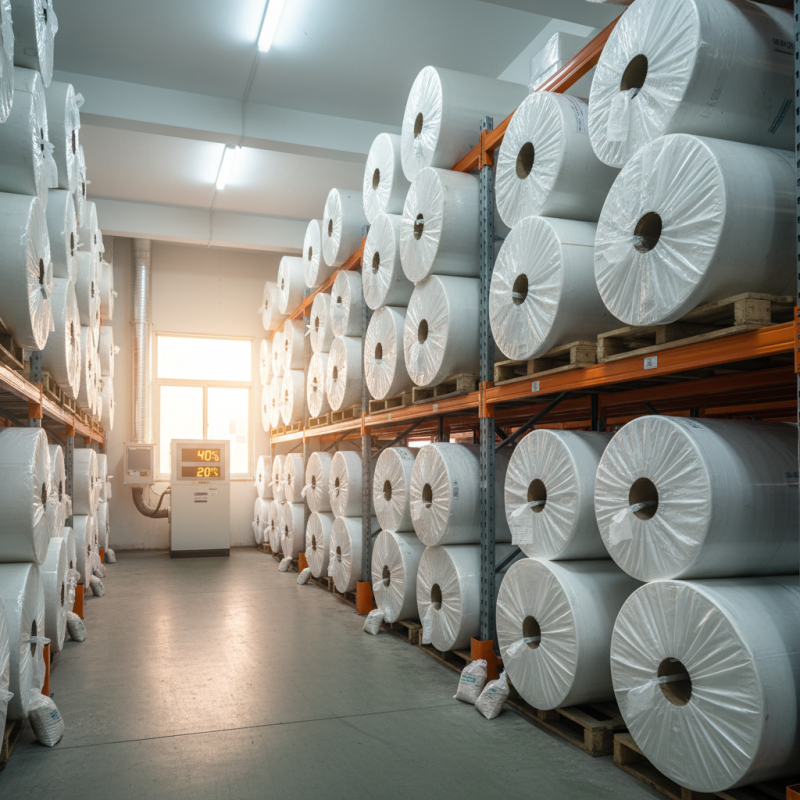
Choosing the right environment for plastic roll storage is crucial. Humidity plays a significant role in maintaining the integrity of plastic materials. A report from the American Plastics Council indicates that high humidity can cause plastic to absorb moisture, leading to deformation. Therefore, a controlled environment is essential.
An ideal storage space should maintain a relative humidity level between 30% and 50%. This range helps prevent moisture damage. Additionally, temperature should be kept stable, ideally between 50°F and 80°F. Fluctuating temperatures can cause condensation, further contributing to moisture absorption. Consider using silica gel packets or dehumidifiers to control humidity levels in storage areas.
Lighting is another critical factor. Ultraviolet (UV) exposure can degrade certain types of plastic, weakening their structure. Darker storage spaces or UV-protective covers can mitigate this risk. Regular inspections are also essential. Look out for signs of mold or mildew. Acting quickly can prevent further damage. Keeping a detailed log of environmental conditions can help track issues over time.
When preparing the storage area for plastic rolls, minimizing moisture exposure is crucial. High humidity can degrade the integrity of the materials. Research suggests that a relative humidity level above 50% can lead to mold growth and other moisture-related issues. Thus, monitoring and controlling moisture levels are vital.
Creating a dry storage environment involves several steps. First, select a well-ventilated space. Air circulation helps dissipate moisture. Consider using dehumidifiers in areas prone to humidity. Reports indicate that mechanical dehumidification can reduce moisture levels by up to 30%. Ensure that the storage surface is elevated off the ground. This reduces contact with moist surfaces.
Tip: Use silica gel packs around stored rolls. They absorb excess moisture and protect your materials.
Additionally, inspect the storage area regularly. Look for leaks or signs of dampness. Even small amounts of water can compromise plastic quality. Implementing proper sealing for windows and doors can prevent outside moisture from entering the area.
Tip: Schedule monthly checks to ensure your environment remains stable. Small changes can prevent big problems later.
Plastic rolls are susceptible to moisture, which can cause damage over time. Using protective covers is a practical way to enhance moisture resistance. According to a study by the Plastic Film Association, nearly 30% of plastic roll damage is attributed to humidity exposure. Therefore, employing proper protective measures is crucial for maintaining the integrity of these materials.
One effective method is to use moisture-resistant tarps or covers. These specialized materials can significantly block moisture and reduce degradation. A report from the Packaging Association suggests that products wrapped in protective covers last up to 40% longer. This can translate to significant cost savings and reduced waste for businesses that rely on plastic rolls in their operations.
It’s important to ensure that covers fit snugly and provide complete coverage. Gaps can lead to moisture infiltration. Users must regularly inspect these protective covers for wear and tear. Neglecting this can lead to unforeseen damages. Despite the advantages of protective covers, not all products offer equal moisture resistance. Evaluating product specifications and opting for industry-standard materials is essential for effective protection against moisture damage.
| Storage Method | Moisture Resistance Level | Recommended Protective Cover | Additional Tips |
|---|---|---|---|
| Vertical Storage | Moderate | Plastic Sheeting | Ensure rolls are not touching the ground. |
| Horizontal Storage | High | PVC Covers | Store in a dry area with low humidity. |
| Stacked Storage | Low | Waterproof Tarps | Elevate off the ground, use pallets. |
| On Racks | Moderate | Breathable Covers | Keep in well-ventilated areas. |
| Climate-Controlled Storage | Very High | Custom Fitted Covers | Ideal for long-term storage. |
Proper stacking techniques are essential for storing plastic rolls. Moisture can easily cause damage, leading to costly replacements. According to a report by the Plastics Industry Association, damaged materials account for nearly 20% of inventory losses. Therefore, understanding how to stack and store these rolls is crucial.
One vital tip involves using pallets to elevate the rolls off the ground. This method reduces moisture exposure, protecting the plastic. Additionally, consider the weight distribution when stacking. Heavier rolls should go on the bottom, with lighter ones on top. This prevents crushing and ensures structural integrity.
Inspect stored rolls regularly for any signs of moisture. Even with proper stacking, condensation can form in poorly ventilated areas. If you notice a roll feels damp, address it immediately. Implementing airflow solutions around stored rolls can greatly minimize moisture risk. It's essential to create a balance between safety and accessibility while ensuring that your storage methods are effective. Keeping an eye on conditions can help avoid potential issues.
Regularly inspecting stored plastic rolls for signs of moisture is crucial. Moisture can lead to damage and degradation over time. It's easy to overlook this step, but doing so can save you from significant losses. Make it a habit to check your rolls at least once a month. Look for discoloration, mold, or unusual smells. These could indicate moisture presence.
Tips for effective inspection:
- Use a flashlight to see inside the packaging.
- Feel the plastic for any unusual dampness.
- Note any damaged rolls and remove them promptly.
Always store plastic rolls in a clean and dry area. Cluttered spaces can trap humidity. Consider using moisture absorbers in your storage area. However, don't rely solely on them. Regular checks are still necessary. Creating a simple schedule can help form this routine. Make sure everyone involved knows their part in maintaining the condition of your plastic rolls. Without this diligence, costly mistakes can occur.
: High humidity can cause plastic to absorb moisture, leading to deformation and degradation.
A relative humidity level between 30% and 50% is ideal to prevent moisture damage.
The temperature should be stable, ideally between 50°F and 80°F, to avoid condensation.
Use silica gel packets or dehumidifiers to help maintain proper humidity levels.
Ultraviolet (UV) exposure can degrade plastics, weakening their structure over time.
Select a well-ventilated space and inspect regularly for leaks or dampness.
Elevate storage surfaces, use dehumidifiers, and keep the area well-ventilated.
Act quickly to address mold growth to prevent further damage to the materials.
Schedule monthly checks to ensure the environmental conditions remain stable.
Yes, even small amounts of moisture can compromise the integrity of plastic rolls.
When considering how to store plastic rolls to prevent moisture absorption, it's crucial to select an appropriate environment that minimizes humidity levels. This involves preparing the storage area by ensuring good ventilation and keeping it clean and dry. Utilizing protective covers can further enhance moisture resistance, providing an extra layer of defense against humidity.
Additionally, implementing proper stacking techniques is essential to prevent damage and allow for adequate airflow around the rolls. Regular inspections of the stored plastic rolls can help identify any early signs of moisture, enabling prompt action to mitigate potential damage. By following these guidelines, you can effectively safeguard plastic rolls from moisture-related issues and prolong their usability.

Benchmark Plastic