5 Tips on UV Resistance Limits for Outdoor PP Sheets

Time:2026-11-20 Author:Charlotte
0%

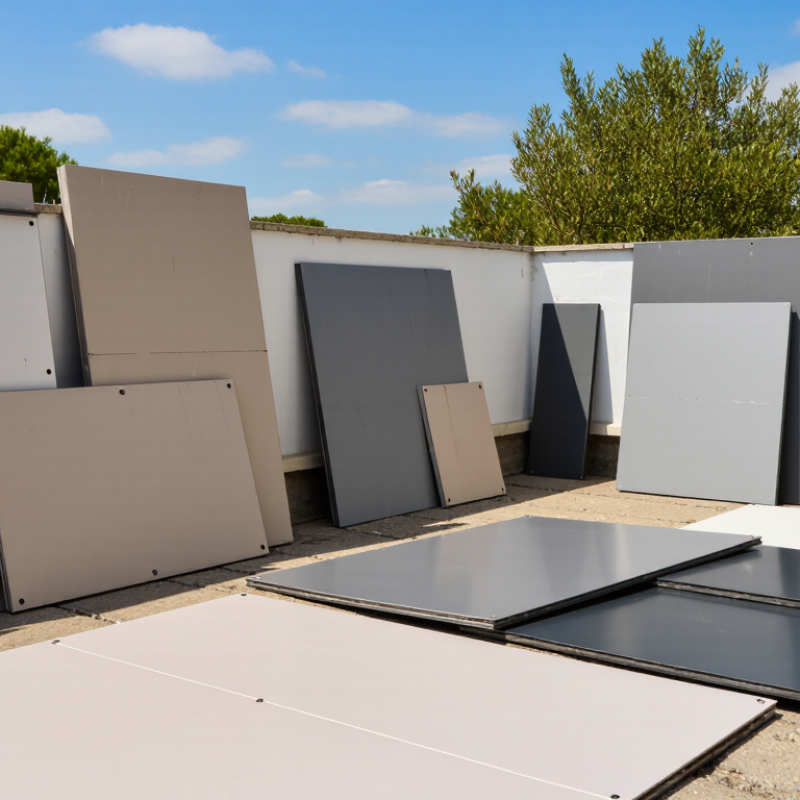
Outdoor polypropylene sheets can look sturdy in the yard, yet sunlight gradually changes their surface and strength. The key question is: what are the UV resistance limits of outdoor PP sheets? There is no single lifespan for every sheet. Results depend on the PP grade, UV stabilizers, sheet thickness, color, temperature, and hours of direct exposure. A pale panel beneath a covered patio faces different conditions from a dark sheet on an exposed rooftop. Details matter.

Weathering specialist George Wypych’s published work offers a useful takeaway, paraphrased rather than quoted: UV durability depends on both material formulation and exposure conditions, not the polymer name alone. That distinction helps explain why two sheets labeled “polypropylene” can age very differently. Watch for fading, chalking, brittleness, and cracks near fasteners. These visible clues are useful, but they do not prove how much strength remains inside the sheet. A surface can appear acceptable while becoming less reliable.

This guide presents five practical tips for judging UV limits before choosing or installing outdoor PP sheets. It covers stabilizer claims, realistic service-life expectations, exposure conditions, inspection, and questions to ask suppliers. Request test data for the specific grade, including the test method and exposure period. A broad “UV resistant” label is not enough. Even careful estimates can miss local effects, such as reflected heat from a wall. That is worth remembering. Use the guidance as a screening tool, not a substitute for product-specific data or regular inspection.
5 Tips on UV Resistance Limits for Outdoor PP Sheets

What UV Resistance Means for Outdoor Polypropylene Sheets

For outdoor polypropylene sheets, UV resistance describes how well the material retains its properties during exposure to sunlight.

UV radiation can break down polymer chains, gradually making a sheet fade, chalk, or become brittle. Polypropylene is naturally vulnerable to this process, so outdoor grades may include UV stabilizers that slow damage. They do not stop it completely. Not immunity.

The limit depends on sunlight intensity, temperature, moisture, color, and exposure time. A sheet under a shaded awning may age differently from one facing direct midday sun. Color alone is not a reliable guide; a dark sheet can absorb more heat without necessarily having better UV protection.

Accelerated weathering tests help compare materials, but they cannot predict an exact service life for every location. That estimate is imperfect. Before choosing a sheet, check its stated outdoor-use rating and test data, then consider the installation site. Inspecting a small exposed sample over time can reveal fading or surface changes that specifications may not make obvious.

How Ultraviolet Exposure Changes PP Sheet Properties

Ultraviolet light can slowly weaken outdoor polypropylene sheets. Sunlight triggers oxidation in the polymer, changing its molecular structure over time. The surface may fade, chalk, or develop fine cracks. Later, a sheet that once bent easily can become brittle around drilled holes and exposed edges.

The rate depends on more than sunlight. Stabilizer package, pigment, sheet thickness, temperature, and exposure angle all matter. A dark sheet can absorb more heat, while a sheltered panel may last longer than one facing direct afternoon sun. There is no single UV-resistance limit that fits every installation. Check the supplier’s weathering data, and ask how the material was tested. A claim without exposure conditions is hard to judge.

Look for changes during routine inspections. Rub a hidden corner with a clean cloth; chalky residue can signal surface degradation. Compare a stored sample with the installed sheet, if possible. Accelerated weathering tests can help compare grades, but they cannot perfectly recreate every outdoor setting. Small test panels are useful. They can still mislead if their orientation differs from the final installation. Recheck fasteners and edges, where stress may reveal damage earlier. A little uncertainty remains, even with careful testing.

5 Tips on UV Resistance Limits for Outdoor PP Sheets - How Ultraviolet Exposure Changes PP Sheet Properties
Tip What to assess How UV exposure can affect PP Practical limit or action
1. Confirm the stabilizer package Ask whether the sheet is formulated for outdoor exposure and request relevant formulation or test documentation. Unstabilized polypropylene can undergo photo-oxidation, causing molecular-chain damage, surface chalking, discoloration, and loss of toughness. Do not infer outdoor life from “PP” alone. UV absorbers and hindered amine light stabilizers can improve resistance, but performance depends on the complete formulation, sheet thickness, color, and exposure.
2. Test the actual property you need Track tensile strength and elongation at break; add impact, flexural, or appearance checks when relevant to the application. Oxidative degradation may reduce elongation and impact resistance before a large change in appearance is evident. The rate and extent vary by grade and exposure conditions. Set acceptance criteria before testing—for example, the minimum retained property required by the design. There is no single universal percentage-retention limit for all outdoor PP sheets.
3. Use weathering tests as comparisons, not calendar guarantees Consider laboratory exposure such as ASTM G154 or ISO 4892-3 fluorescent UV testing, followed by relevant property measurements. Laboratory cycles control selected conditions, such as UV exposure and moisture, but do not reproduce every combination of sunlight, temperature, rain, pollutants, and installation conditions. Compare specimens tested under the same cycle and report the lamp, cycle, duration, and measured properties. Do not convert test hours directly into years outdoors without validated correlation data.
4. Account for the real exposure environment Record location, orientation, shading, temperature, moisture, color, and whether one or both sheet faces are exposed. UV intensity and cumulative dose vary with geography, season, orientation, and shade. Heat and moisture can also influence weathering, so equal time outdoors does not mean equal exposure. For critical applications, test representative samples in the intended installation or use suitable outdoor exposure data alongside controlled laboratory testing.
5. Inspect and plan for service life Inspect periodically for fading, surface chalking, cracking, brittleness, and changes that affect function; verify properties if failure risk is significant. Visible color change does not by itself quantify remaining mechanical performance, and damage can vary across the exposed surface and through the sheet. Use a defined inspection schedule and replacement criteria. A supplier’s stated service life should be treated as conditional on the specified grade, thickness, exposure, and maintenance.

Note: UV-weathering results are material- and test-condition-specific. Confirm suitability using data for the exact sheet grade and intended application.

Which Factors Determine the UV Limits of PP Sheets

5 Tips on UV Resistance Limits for Outdoor PP Sheets

Which Factors Determine the UV Limits of PP Sheets

UV resistance in polypropylene sheets depends on more than the polymer itself. UV stabilizers slow damage, but their type and concentration vary by formulation. Ask whether the sheet is designed for outdoor exposure, and request weathering-test data when available. A test result helps compare materials; it cannot promise an exact service life.

Thickness, color, and surface finish also matter. A thicker sheet may tolerate wear better, but thickness alone does not guarantee stronger UV protection. Dark pigments can absorb more heat, while lighter surfaces may reflect more sunlight. Small details matter. Heat can speed aging, and repeated flexing or abrasion may expose weakened areas sooner.

Exposure conditions set the practical limit. A sheet facing direct midday sun usually ages faster than one kept partly shaded. Latitude, altitude, orientation, and nearby reflective surfaces can change the UV dose. For a realistic choice, describe the installation site and expected use to the supplier, then compare samples under relevant test conditions. I would not treat a single “years outdoors” figure as universal; real sites rarely match laboratory exposure exactly. Check periodically for fading, brittleness, or fine surface cracks, especially at exposed edges.

How UV Stabilizers Affect Outdoor Durability

Outdoor PP sheets do not fail from sunlight alone. Ultraviolet exposure starts oxidation, while heat and moisture can speed surface damage. UV absorbers reduce the radiation reaching the polymer; hindered amine light stabilizers interrupt oxidation reactions. Antioxidants can support protection during processing and hot service. Used together, these additives can slow fading, chalking, and embrittlement, but their effect depends on dosage, sheet thickness, pigment, and exposure conditions. Small formulation differences matter.

A useful benchmark is ASTM G154 Cycle 1: its cycle includes 8 hours of UVA exposure at 60°C, followed by 4 hours of condensation at 50°C. This controlled test helps compare formulations; it does not convert directly into outdoor service years. A shaded coastal sheet and a dark sheet on a hot roof face very different stresses. I would treat “UV-stabilized” as a starting point, not a life guarantee. Ask for test results on the actual color and thickness, including retained impact strength or elongation after exposure. One caveat: accelerated tests can rank samples differently from some real climates. Check periodically for surface whitening, cracking around fasteners, and loss of flexibility.

How to Assess and Reduce UV Damage in Use

Assess exposure at the sheet’s actual location, not just by climate averages. The World Health Organization’s Global Solar UV Index guide classifies UV Index 6–7 as high and 8–10 as very high. These readings describe sunlight intensity, not a PP sheet’s service life. Still, they help flag sites needing closer inspection, especially roofs facing south or sheets near reflective concrete. Look for chalking, fading, surface cracks, and edges that have become brittle. Small changes matter.

Check the sheet’s grade and ask for weathering results from the supplier. ISO 4892-3 describes fluorescent UV exposure testing for plastics, while ASTM G154 sets out a common test practice. Neither gives a simple “hours equal years outdoors” conversion. Test cycles differ from real sunlight, rain, heat, and dust. That uncertainty is easy to overlook. Compare tested samples with an unexposed control, and inspect the same locations every few months.

Reduce exposure where practical. Add shade, avoid unnecessary south-facing placement, and protect cut edges if the design allows. For replacement material, specify UV-stabilized PP and request data on color change, impact retention, and test conditions—not just a broad “UV resistant” claim. A shaded panel may still age unevenly. Record its orientation and cleaning history; otherwise, a failed sheet can teach very little.

5 Tips on UV Resistance Limits for Outdoor PP Sheets

Use the UV Index to understand outdoor UV intensity—not to predict a PP sheet’s service life. UV resistance depends on exposure duration, sheet formulation, thickness, color, temperature, and surface condition.

How to assess and reduce UV damage:

  1. Check local UV forecasts and record exposure conditions over time.
  2. Inspect for fading, chalking, brittleness, and cracking at regular intervals.
  3. Ask the supplier for UV-weathering test data for the specific sheet grade.
  4. Choose UV-stabilized material intended for outdoor use.
  5. Reduce direct exposure with shade, covers, or a suitable protective coating.

Bars show the standard UV Index threshold at which each category begins; “Extreme” starts at 11. These categories describe ambient UV levels, not PP damage limits.

FAQS

What does UV resistance mean for polypropylene sheets?

It means the sheet can retain its properties longer in sunlight. It does not mean immunity.

What damage can sunlight cause?

The surface may fade, chalk, or develop fine cracks. Over time, edges and drilled holes can become brittle.

Does a darker sheet always have better UV protection?

No. Dark material may absorb more heat, but color alone does not show its level of protection.

What affects how quickly a sheet ages outdoors?

Sunlight, temperature, moisture, stabilizers, pigment, thickness, and exposure angle all matter. A shaded awning and an exposed roof may age differently.

How can I check a sheet for early damage?

Look for fading, chalky residue, cracks, and brittle edges. Rub a hidden corner with a clean cloth; residue may signal surface wear.

Can weathering tests predict exactly how many years a sheet will last?

No. Tests help compare materials, but they cannot fully recreate local sunlight, rain, heat, and dust. A precise lifespan remains uncertain.

How can I compare outdoor-grade sheets?

Ask for weathering results, test conditions, and data on color change and impact retention. A broad “UV resistant” claim tells you little.

What practical steps may reduce UV damage?

Add shade where possible, avoid unnecessary direct exposure, and protect cut edges if the design allows. Inspect the same spots every few months.

What does a high UV Index tell me about a sheet?

It flags stronger sunlight, not the sheet’s service life. Readings of 6–7 are high; 8–10 are very high. Still, local exposure can vary.

Conclusion

This article explains what are the UV resistance limits of outdoor PP sheets and why those limits matter when choosing polypropylene for long-term exterior use. It outlines how sunlight can gradually affect a sheet’s color, surface finish, flexibility, and strength, while emphasizing that the rate of change depends on exposure intensity, local climate, sheet thickness, formulation, and installation conditions. UV resistance is not unlimited: even a well-designed sheet may age faster under intense, continuous sunlight or high heat.

The article also describes how UV stabilizers can slow deterioration, while noting that their effectiveness varies by material and exposure. Practical guidance covers checking product specifications, inspecting sheets regularly for fading, brittleness, warping, or cracking, and reducing unnecessary exposure where possible through suitable placement, shade, or protective covers. These steps can help users set realistic service-life expectations and maintain outdoor PP sheets more effectively.

Charlotte

Charlotte

Charlotte is a seasoned marketing professional with a deep understanding of the company's portfolio and a passion for elevating its presence in the market. With a keen eye for detail and a commitment to excellence, she ensures that our professional blog is regularly updated with insightful articles......