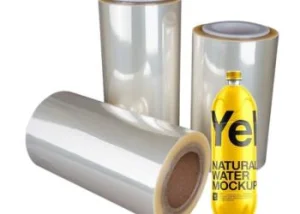
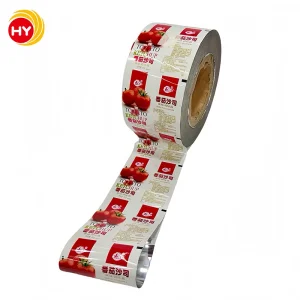
Advanced Sustainable Substrates, High-Barrier Lamination Rolls & Specialized Structural PET/PP/PS Sheet Formations
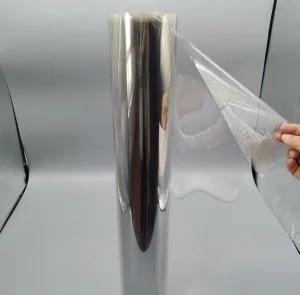
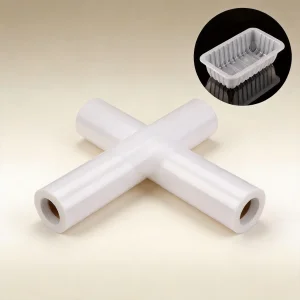
The global industrial packaging paradigm is experiencing a seismic shift toward sustainability. As legislative frameworks like the EU's Packaging and Packaging Waste Regulation (PPWR) and US state-level EPR (Extended Producer Responsibility) schemes tighten, global manufacturers are compelled to re-evaluate their polymer value chains. The transition from legacy, hard-to-recycle materials like PVC to eco-engineered alternatives such as PET (Polyethylene Terephthalate), RPET (Recycled PET), and PP (Polypropylene) is no longer just a corporate social responsibility initiative; it is a critical strategy for market survival.
In high-barrier and industrial lamination systems, the demand for post-consumer recycled (PCR) content and mono-material structures is surging. Buyers are systematically looking for options that minimize carbon footprint while retaining the physical integrity, oxygen transmission rates (OTR), water vapor transmission rates (WVTR), and optical clarity required for food-grade and medical thermoforming. This whitepaper analyzes the capabilities, materials, and processes defining the leading edge of sustainable film manufacturing globally, with a focus on high-efficiency production hubs in East Asia.
Founded with a focus on manufacturing excellence, Yangzhou Benchmark Plastic Co., Ltd. has established itself as an integrated pioneer of polymer sheet production and trade. With over 25 years of specialized experience in the design, development, and supply of high-grade plastic sheets, we support global industries in their transition to optimized packaging architectures.
By bypassing middleman trading networks and supplying directly from our source factory, we ensure that technical integrity, customization precision, and pricing remain unmatched. We recognize that true sustainability is built on trust, transparency, and traceability. In alignment with this belief, we invite all international business partners, procurement managers, and sustainability auditors to visit our manufacturing facilities for on-site verification and research.
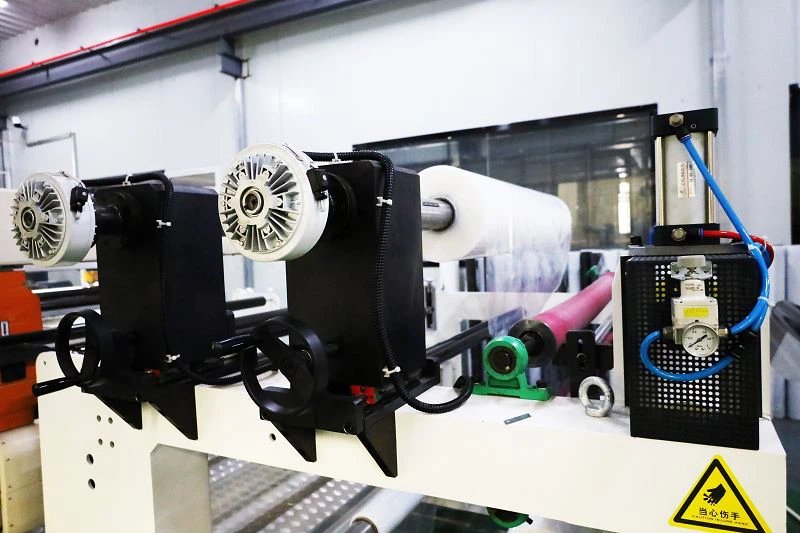
Global procurement teams face the complex challenge of balancing sustainability requirements with economic reality. Choosing a manufacturing partner in China's industrial zones, particularly in Jiangsu, offers unique advantages that address these requirements.
By combining raw polymer blending, state-of-the-art extrusion, and value-added converting (blistering, printing, die-cutting, folding, custom adhesives) under one roof, we eliminate intermediate supply chain delays and logistical markups.
We run 4 dedicated PET sheet extrusion lines with a daily capacity exceeding 100 metric tons. This ensures fast turnaround times for bulk global orders while maintaining the flexibility to tailor thicknesses from 0.2mm to 1.5mm.
Operating an independent Foreign Trade Department, we coordinate complex international customs clearances, certifications (RoHS, Reach), and customized sea/air freight configurations to deliver shipments directly to your facility.
At Yangzhou Benchmark Plastic Co., Ltd., we combine advanced hardware with precision engineering to process standard and custom formulation plastics. Our four main extrusion lines utilize twin-screw design architecture to deliver uniform gauge control, low stress, and optical clarity across our product catalog.
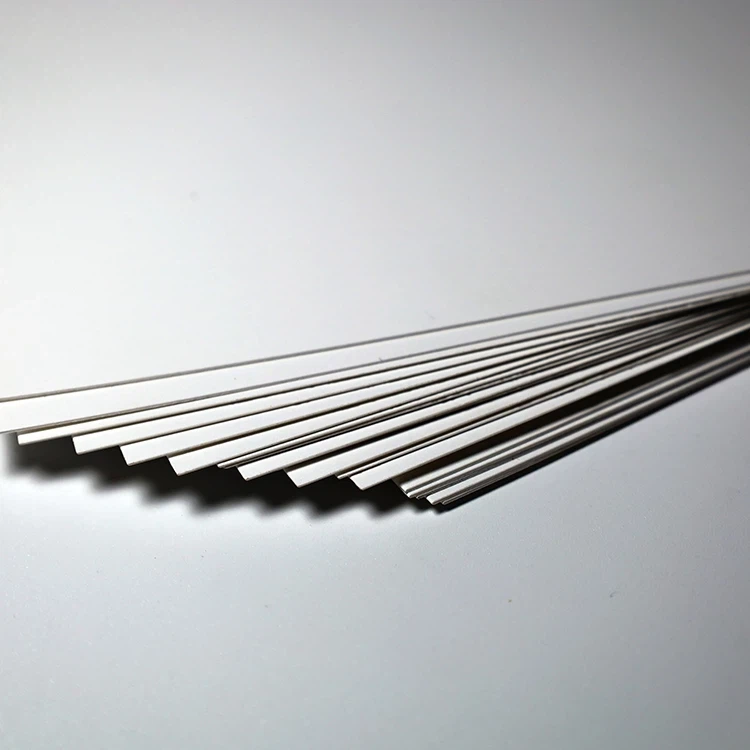
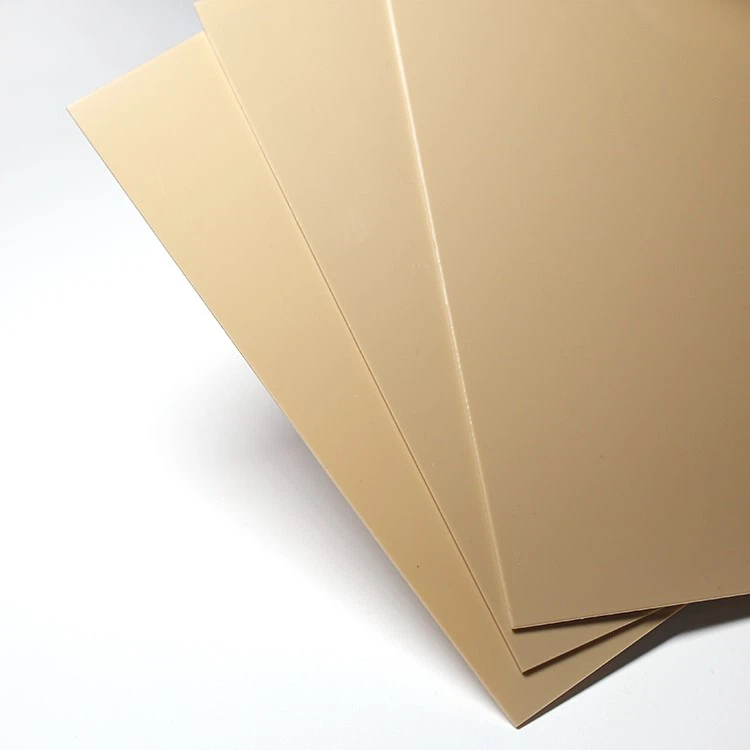
Beyond bulk sheet extrusion, our integrated processing center offers downstream finishing services that help shorten your supply chain. We provide customized blister packaging development, precision die-cutting, automated folding carton fabrication, custom adhesive backing application, and high-fidelity surface printing. These services deliver custom, ready-to-fill solutions direct from our factory floor.
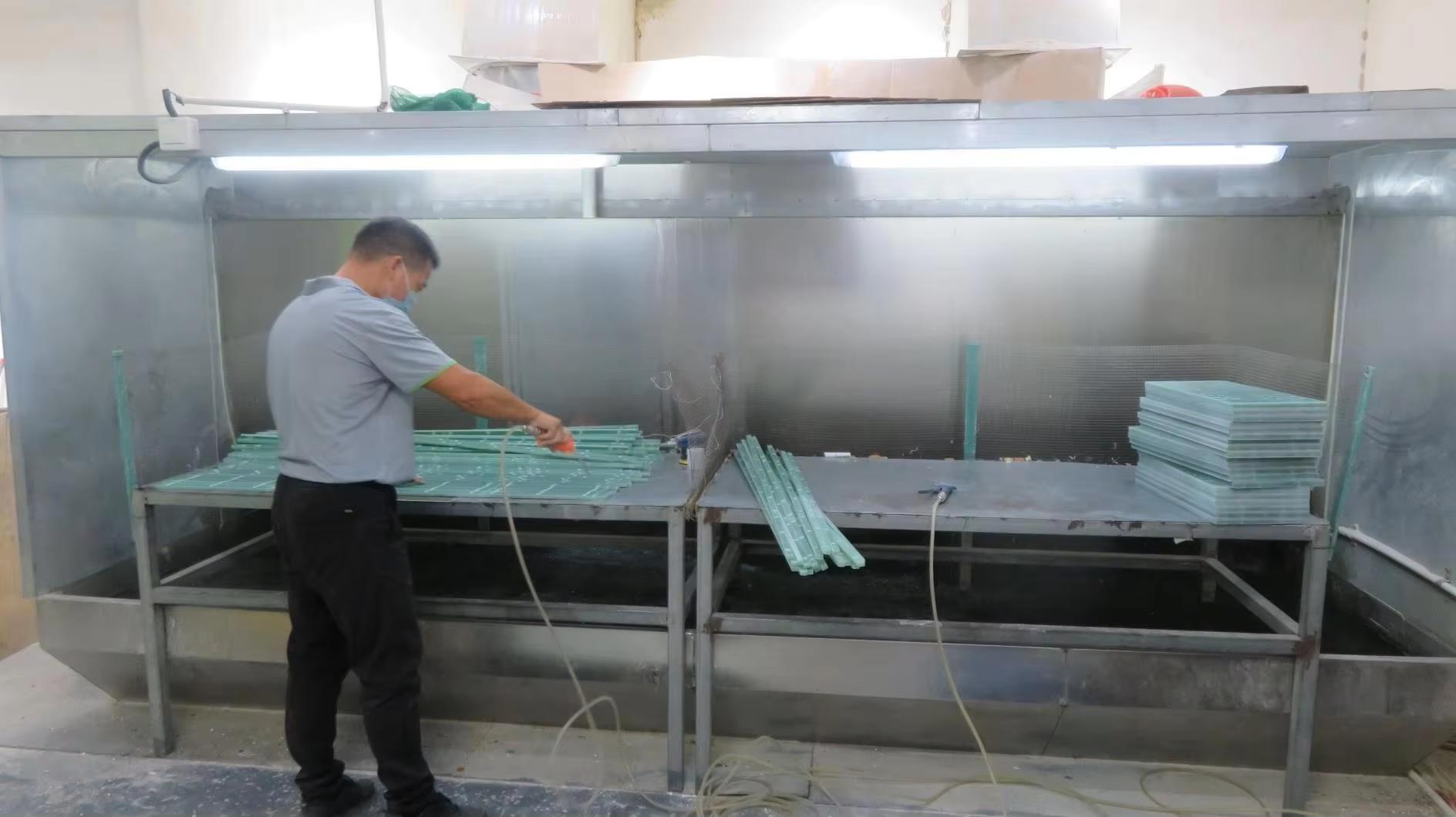
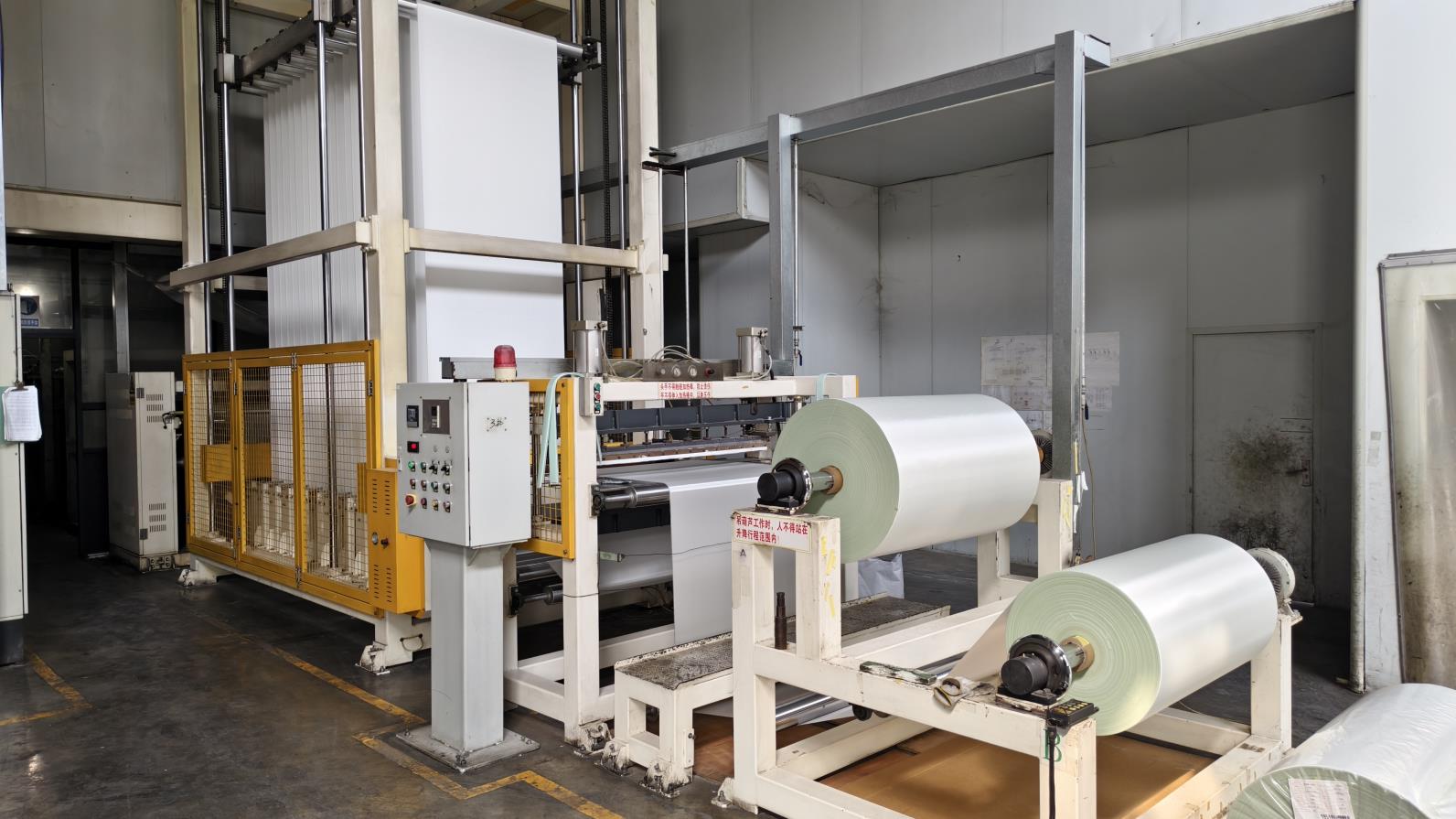
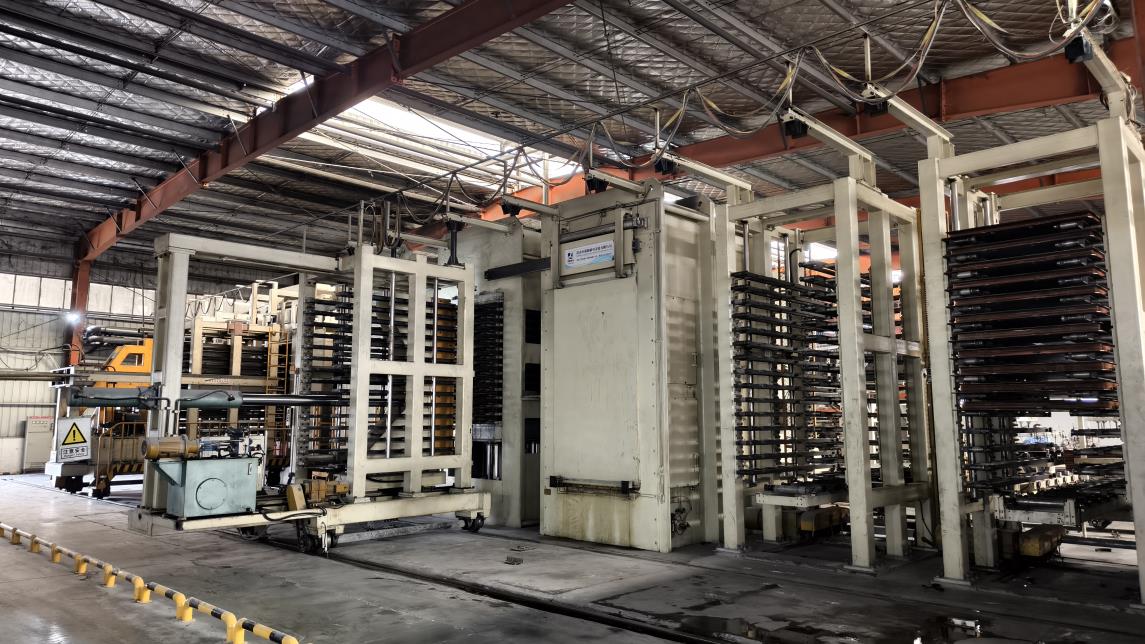
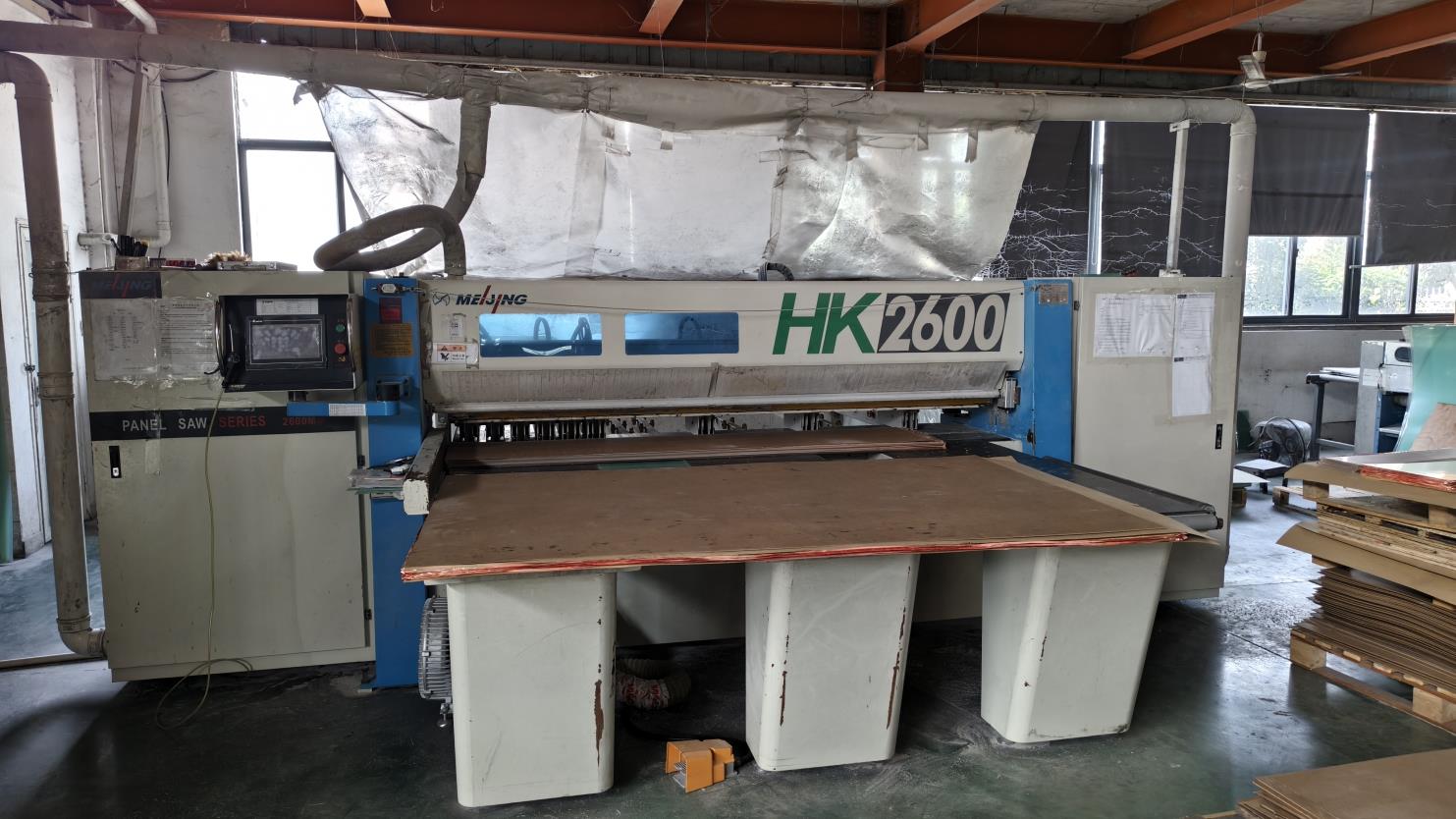
From chemical inspection of raw materials to precision final cutting and shipping prep, every step of our manufacturing process is tightly controlled.
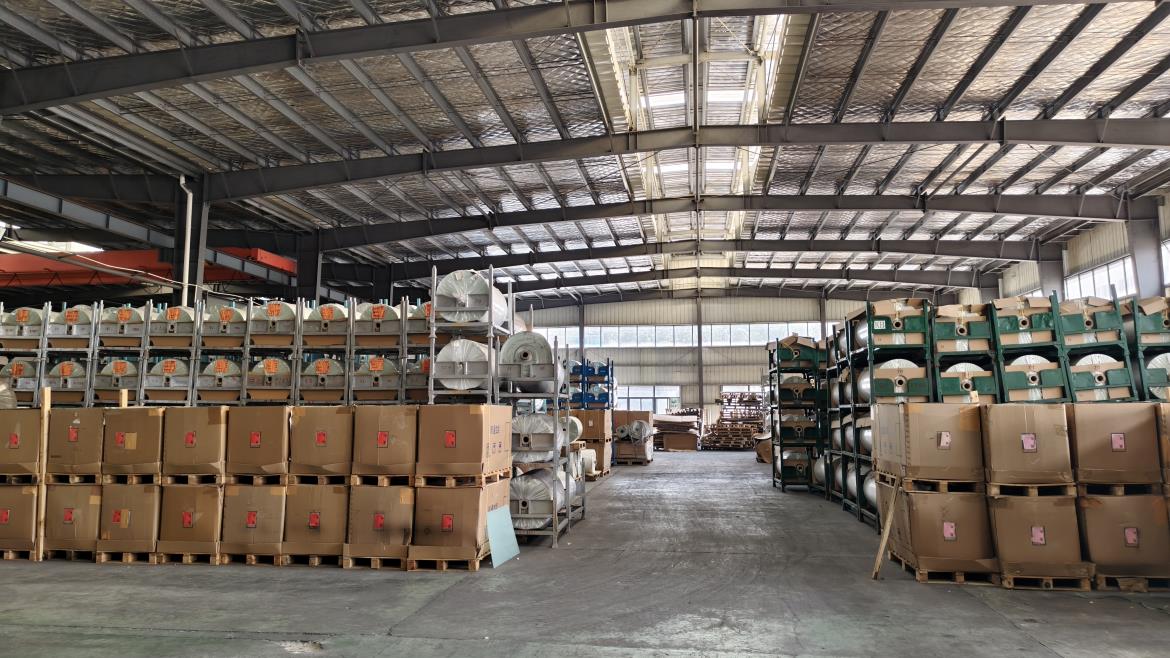
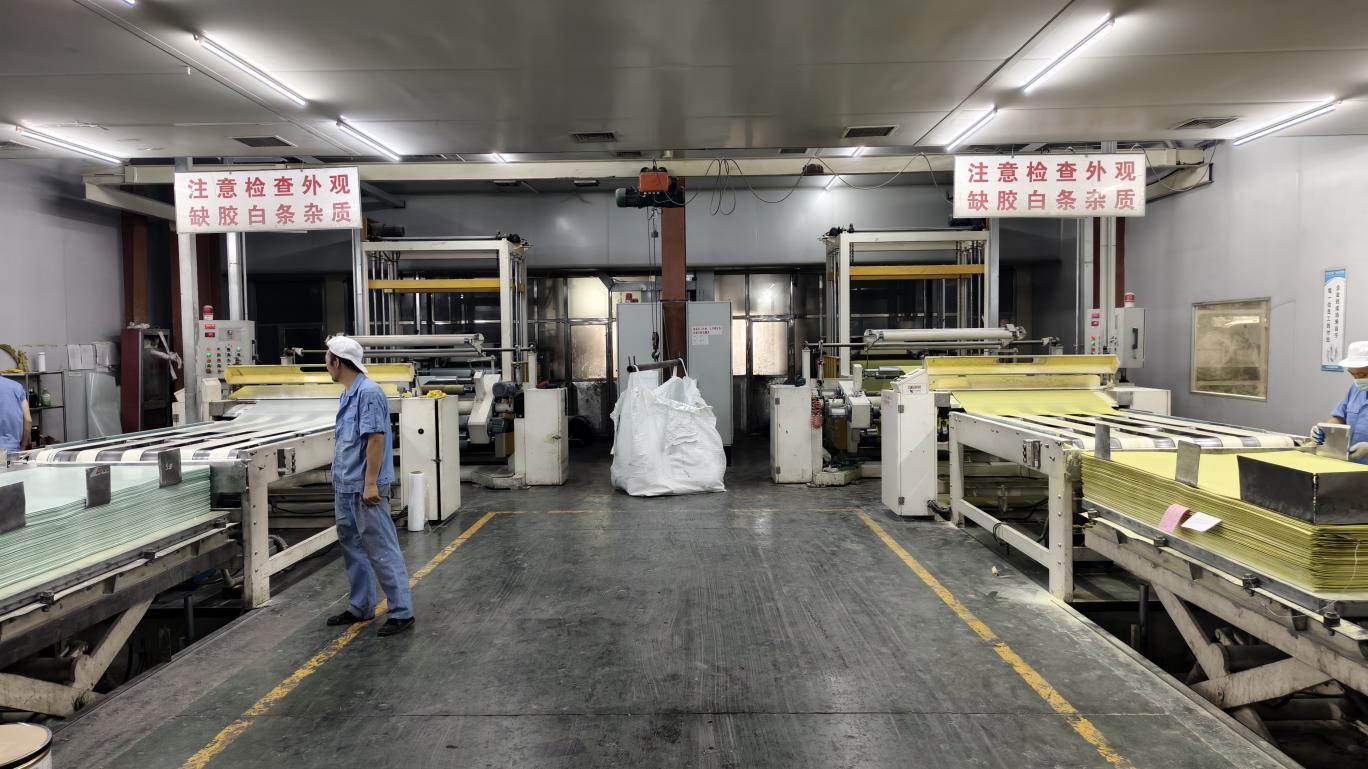
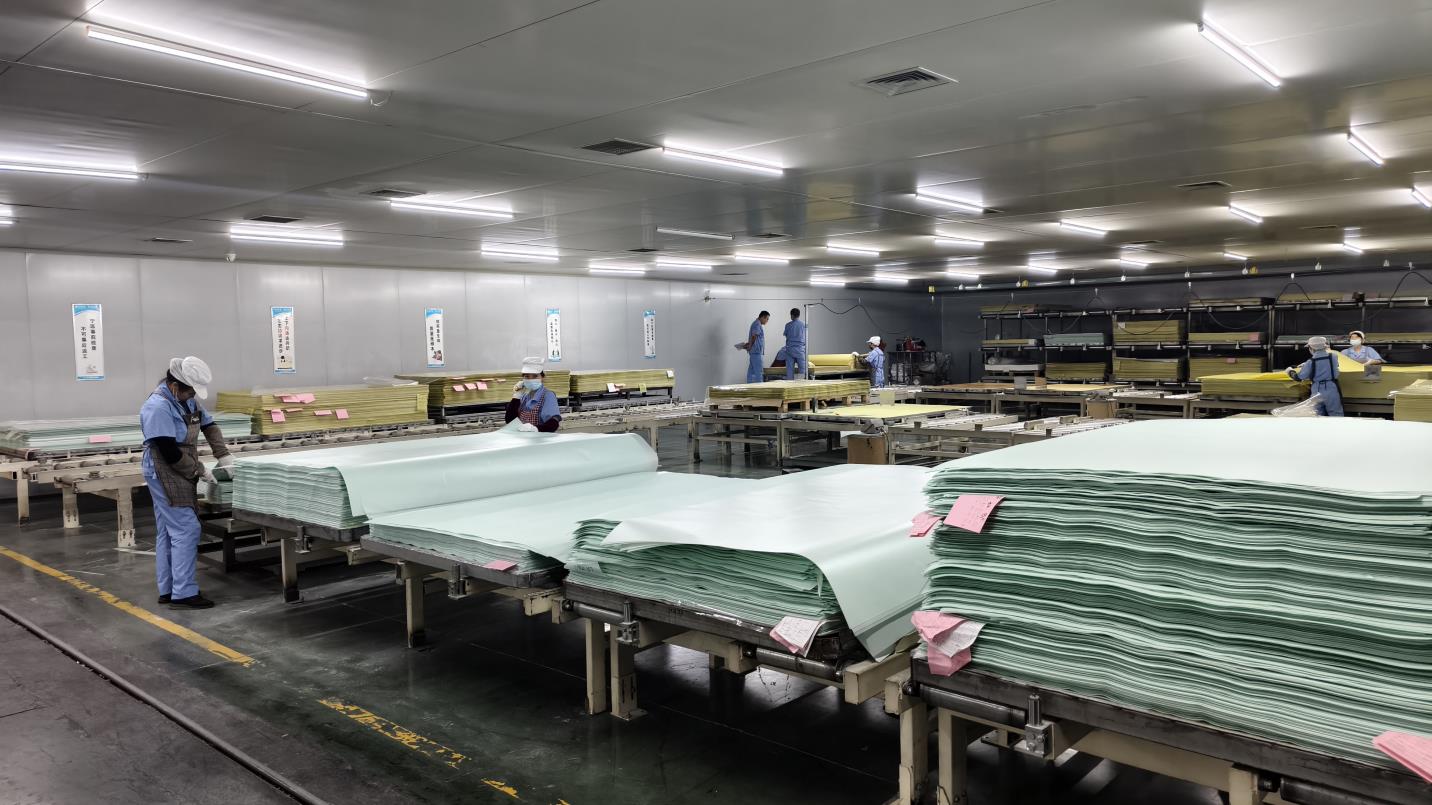
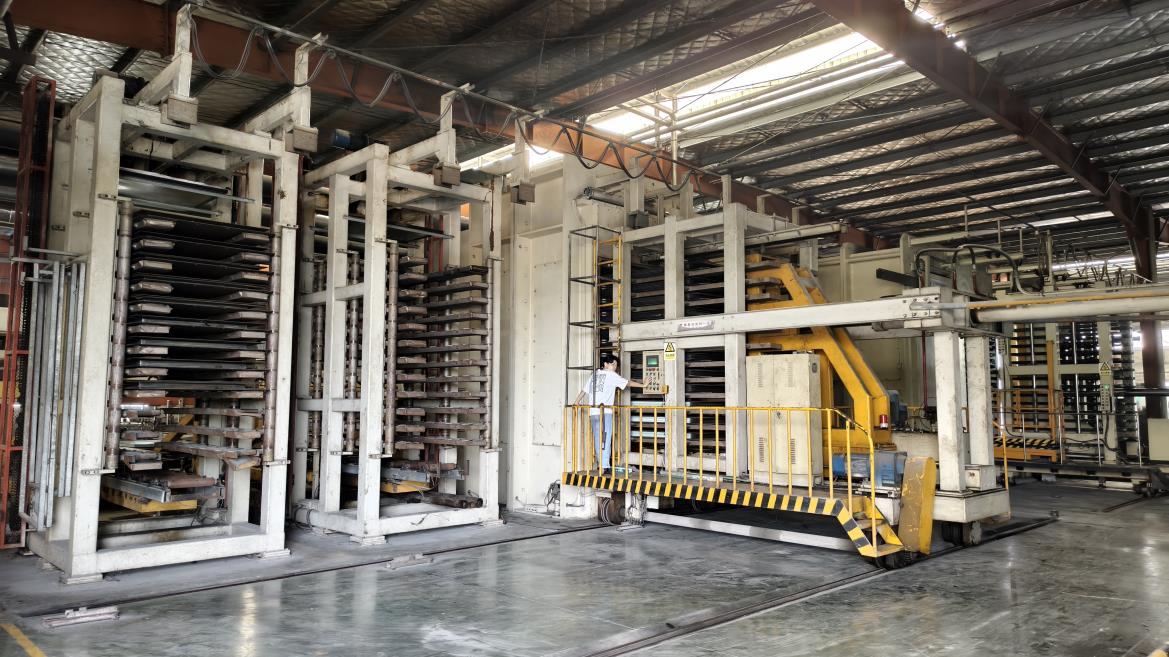
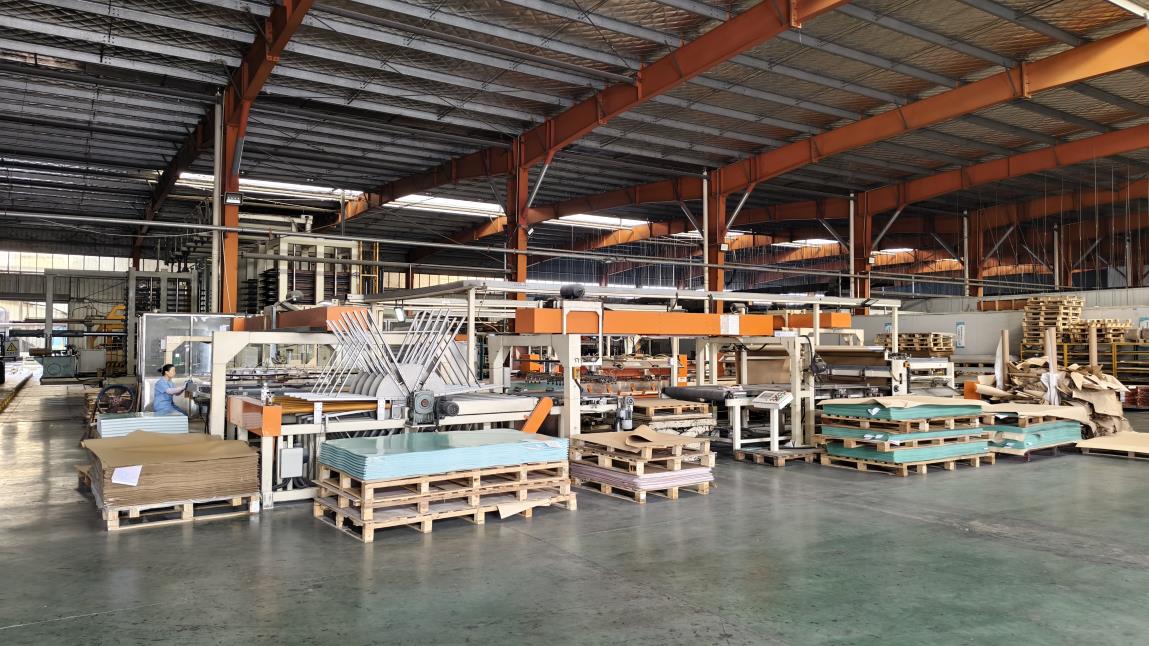
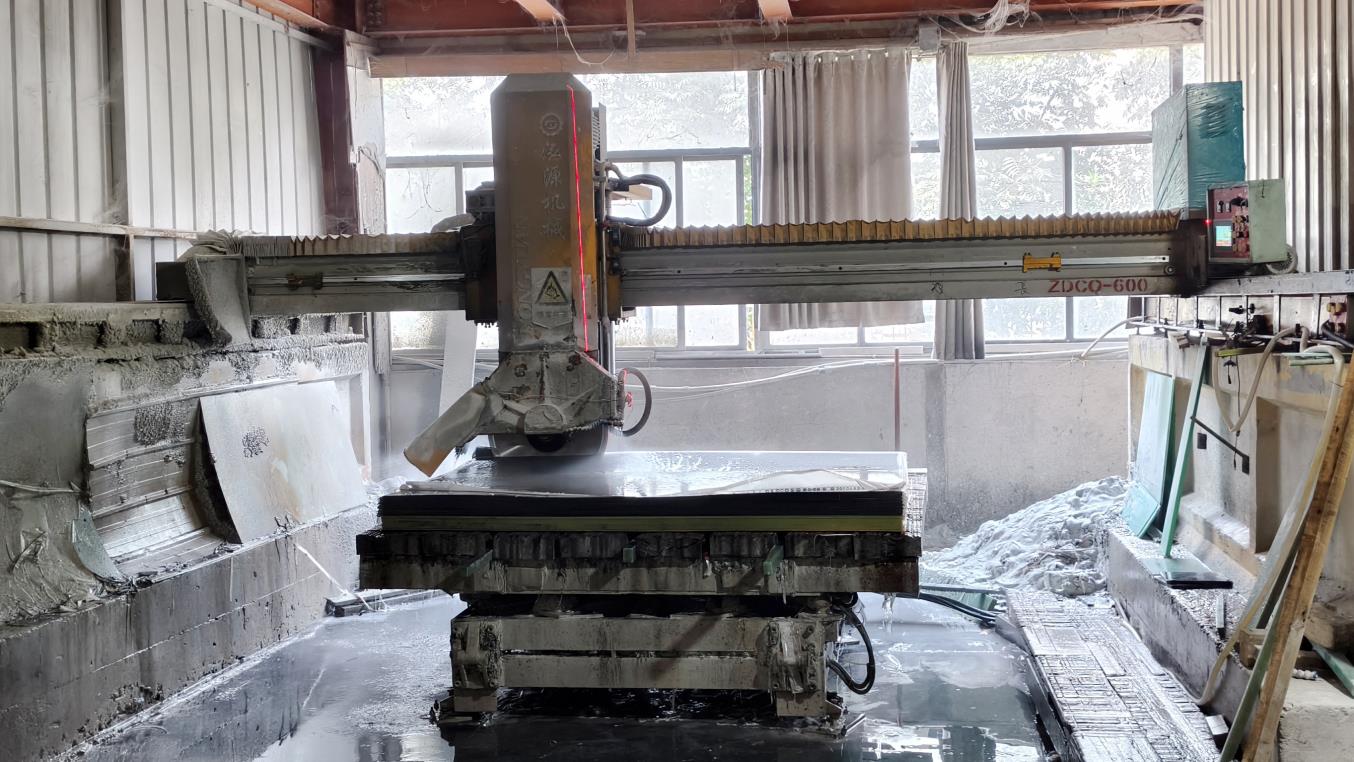
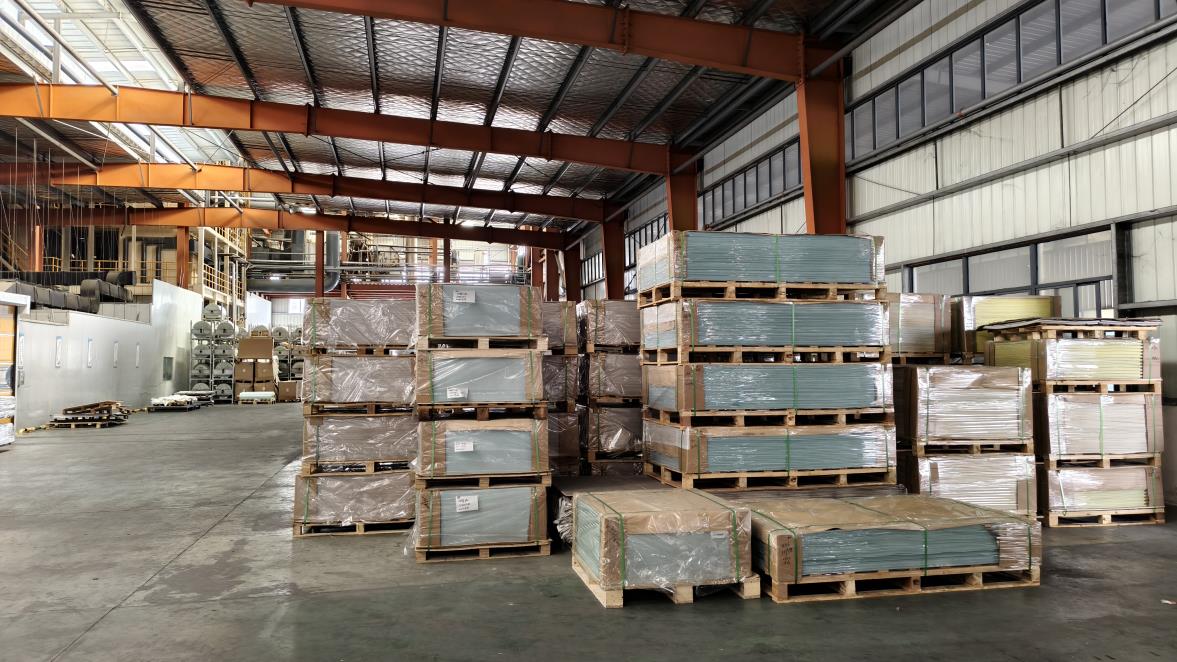
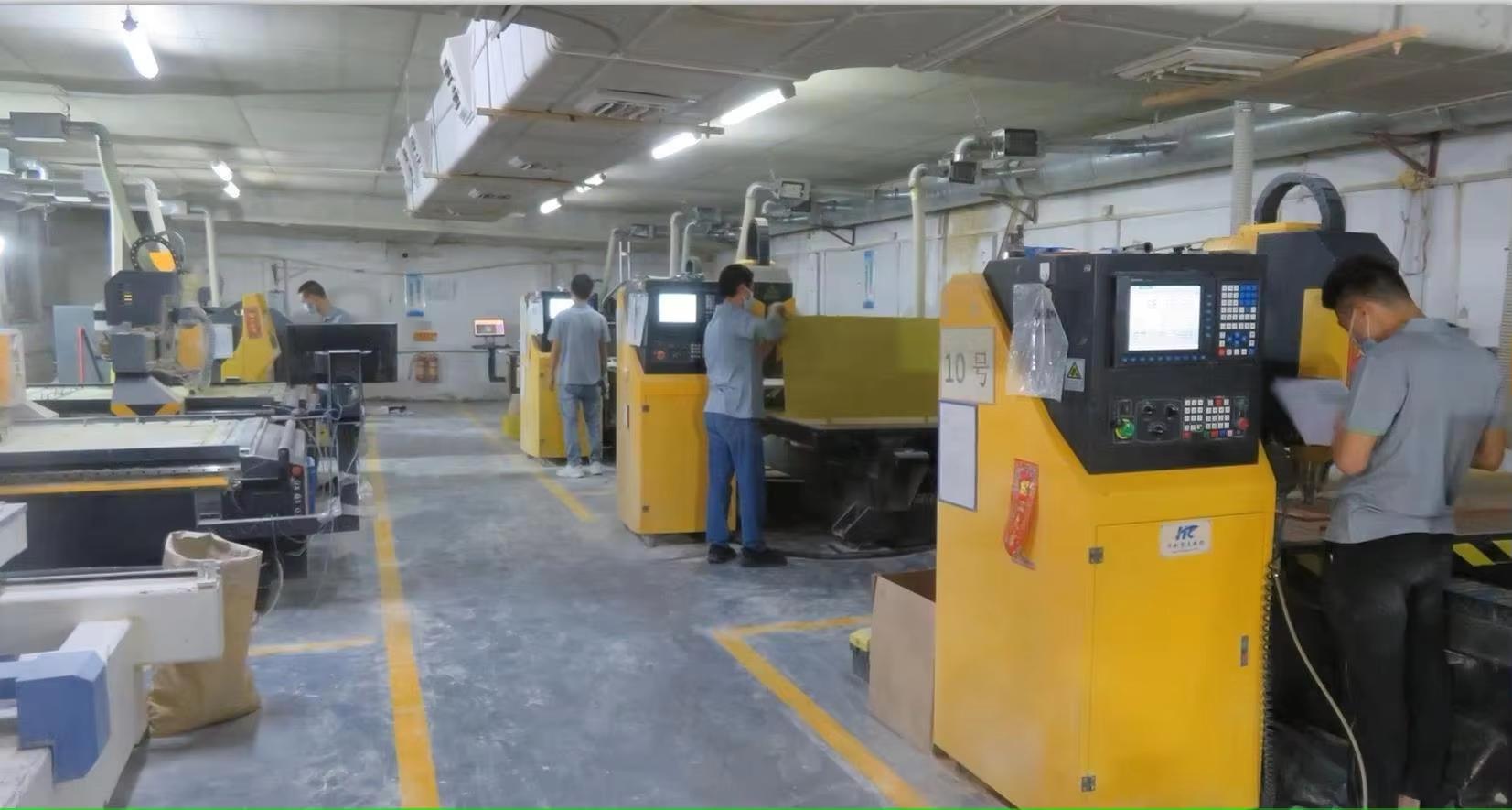
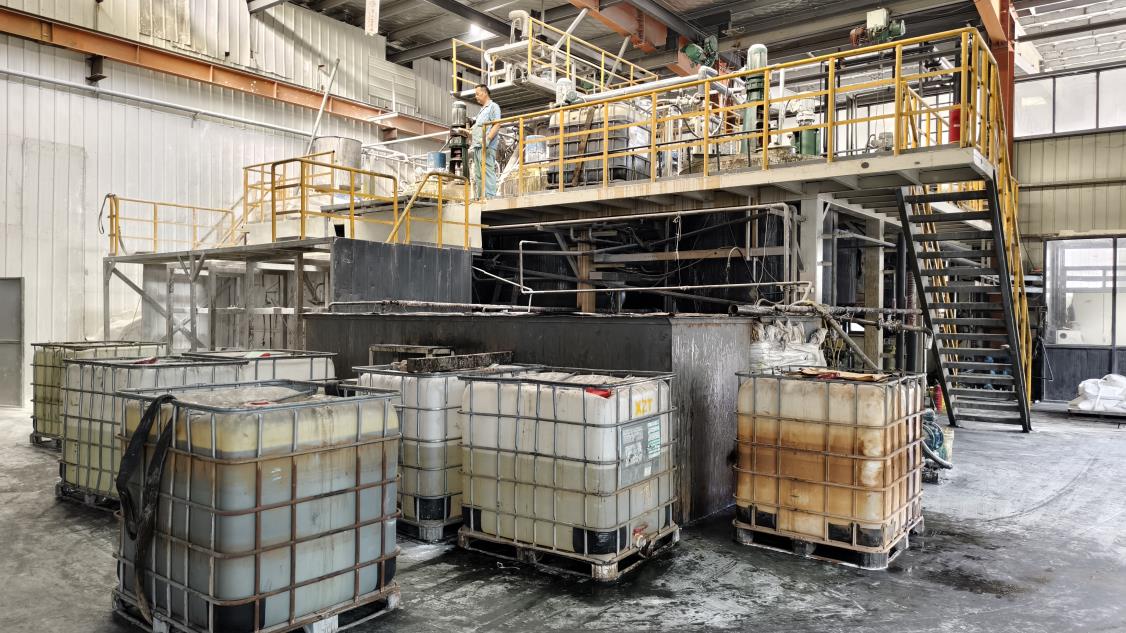
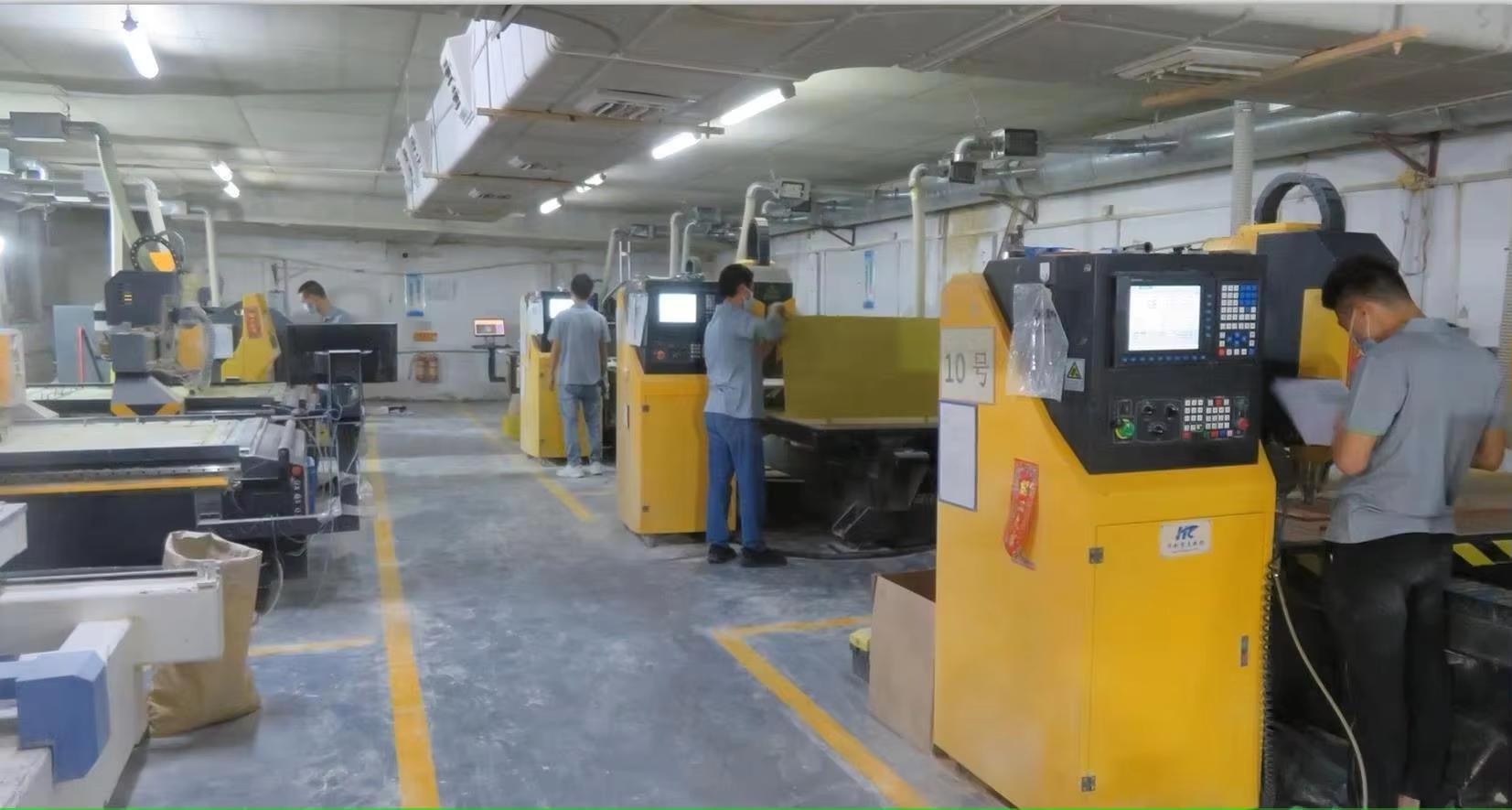
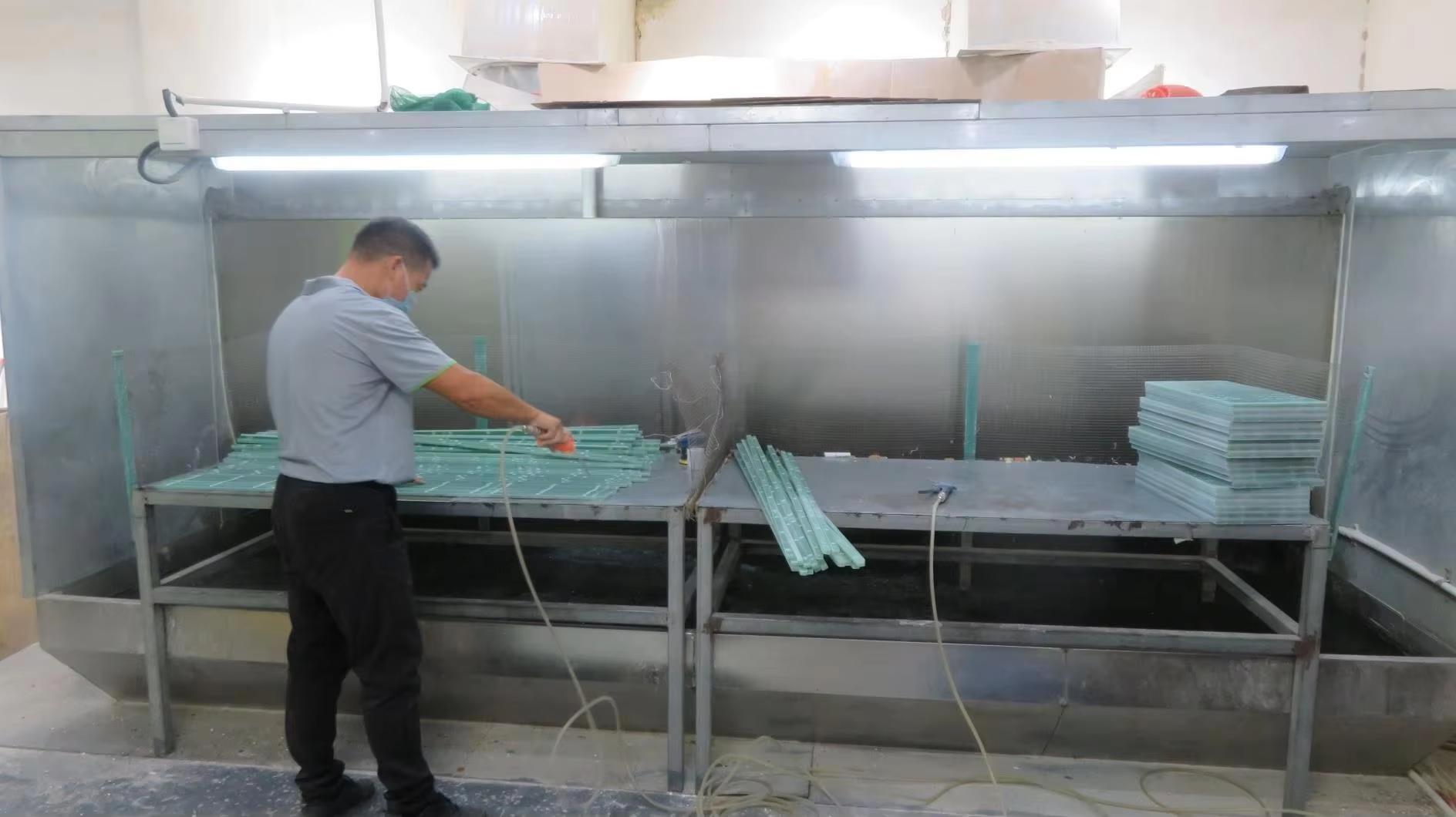
Modern packaging requires high structural performance along with sustainability. Because of their resistance to moisture, vapor transmission, and physical impact, our PET/PP formulations are widely used across diverse industries:
PET sheets act as high-efficiency barriers against moisture and oxygen. PET is highly inert and maintains clarity and physical strength when thermoformed into carbonated beverage containers, mineral water bottles, microwaveable trays, and fresh food covers.
Our rot-resistant, anti-static PET sheets are engineered for packaging sensitive electronic components. They protect integrated circuits and hardware from electrostatic discharge (ESD) and physical abrasion during transport.
Featuring chemical stability and excellent clarity, our high-barrier laminated foils and rigid APET sheets are perfect for pharmaceutical blister packs, transparent cosmetic jars, and sterilized hospital trays.
| Material Formulation | Common Applications | Key Performance Attribute | Recyclability Status |
|---|---|---|---|
| APET (Amorphous PET) | Thermoformed trays, cosmetic clear jars | High gloss, optical clarity, chemical inertness | RIC Code 1 - Highly Recyclable |
| RPET (Recycled PET) | Sustainable consumer packaging, non-food clamshells | Reduced carbon footprint, post-consumer content | RIC Code 1 - Highly Recyclable |
| PETG (Glycol-Modified) | Medical sterile trays, heavy blister packs | High impact strength, excellent sealing performance | Recyclable in specialized programs |
| PP (Polypropylene) | Microwavable cups, freezing containers | High temperature resistance, low density | RIC Code 5 - Widely Recyclable |
| GAG (PETG-APET-PETG) | Industrial clamshells, thermoformed structures | Combines the impact strength of PETG with the cost-efficiency of APET | Recyclable |
When sourcing sustainable packaging films, procurement and engineering teams should focus on structural performance indicators rather than relying solely on eco-labeling:
Premium Anti-Fog, Heat-Shrinkable, High-Barrier Laminated & Customizable Thermoforming Polymers
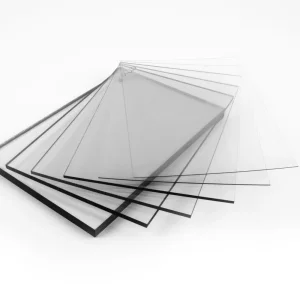
 Benchmark Plastic